Clutch & Flywheel Cost-Benefit Calculator
Determine whether replacing the flywheel alongside your clutch is the most economical choice based on labor costs and failure risks.
You’ve just dropped your transmission to replace a slipping or noisy clutch. The old pressure plate is warped, the disc is worn down to the springs, and the release bearing is shot. It’s time for new parts. But as you’re about to bolt on the fresh clutch kit, a question stops you cold: Do I really need to replace the flywheel too?
The short answer is yes, almost certainly. In modern vehicles, skipping the flywheel when changing the clutch is like putting a brand-new tire on a bent rim. You might get it to spin, but it won’t ride right, and you’ll likely be back in the shop sooner than you think.
The Role of the Flywheel in Your Drivetrain
To understand why replacement is usually mandatory, we have to look at what the flywheel actually does. The flywheel is a heavy rotating disk attached to the engine crankshaft that stores rotational energy and provides a friction surface for the clutch disc. It acts as the bridge between the engine’s power and the transmission’s gears.
When you press the clutch pedal, the clutch disc presses against the flywheel. If the flywheel surface is glazed, scored, or warped from years of heat cycles and friction, your new clutch disc will never grip properly. This leads to immediate slippage, overheating, and premature failure of the very expensive parts you just installed.
Dual Mass vs. Single Mass Flywheels
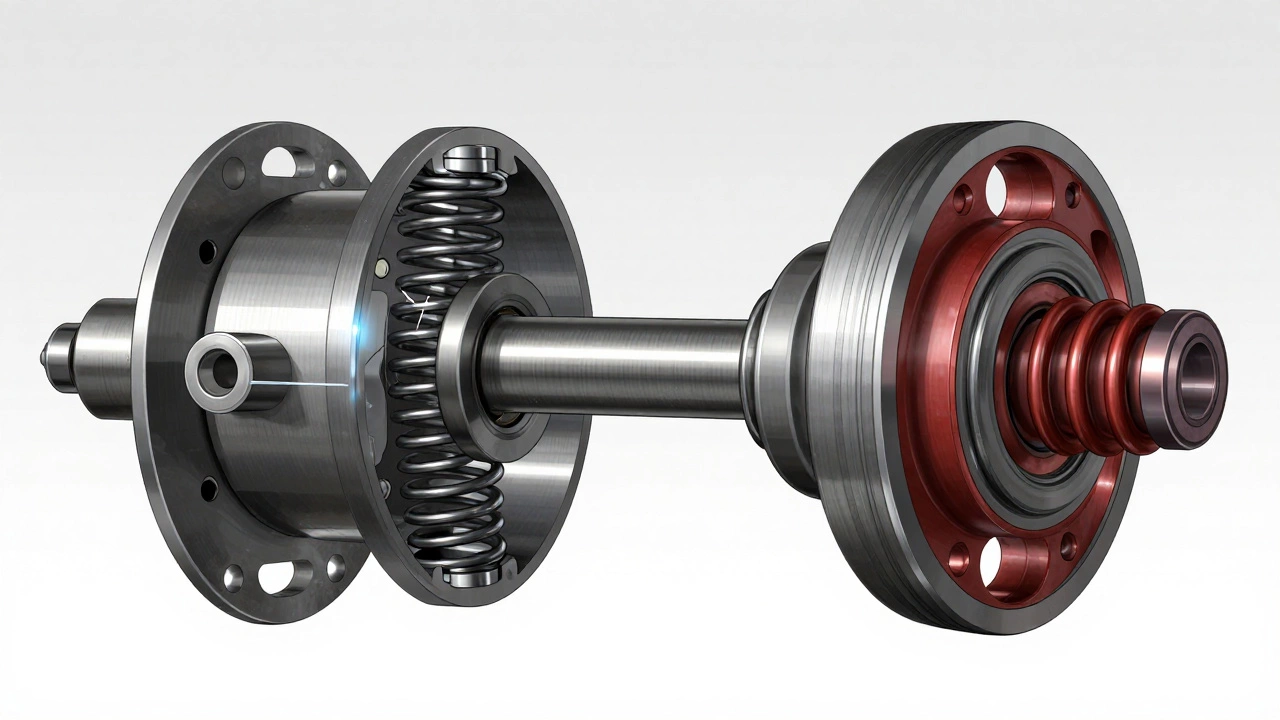
The type of flywheel your car has dictates the urgency of replacement. Most cars built after the mid-1990s use a Dual Mass Flywheel (DMF) is a complex assembly consisting of two separate flywheels connected by springs and dampers to absorb engine vibrations. Older cars, some performance vehicles, and many diesel trucks often use a Single Mass Flywheel (SMF) is a solid, one-piece steel disc bolted directly to the crankshaft.
| Feature | Dual Mass Flywheel (DMF) | Single Mass Flywheel (SMF) |
|---|---|---|
| Construction | Two masses with internal springs/dampers | Solid steel disc |
| Vibration Damping | High (absorbs torsional vibrations) | Low (requires external dampers in engine/transmission) |
| Serviceability | Non-serviceable; must be replaced if faulty | Can be resurfaced or replaced |
| Cost | Higher ($300-$800+) | Lower ($50-$200) |
| Common Failure Signs | Rattling noise at idle, shudder during engagement | Glazing, scoring, warping, hot spots |
Why You Must Replace a Dual Mass Flywheel
If your vehicle has a DMF, there is no debate. You cannot service a dual mass flywheel. The internal springs and ball bearings wear out over time. Once those internal components fail, the flywheel loses its ability to dampen vibrations. Even if the outer friction surface looks okay, the internal damage means it will transmit harsh shocks to your new clutch disc every time you shift gears.
Mechanics universally recommend replacing the DMF whenever the clutch is changed. Why? Because the labor cost to remove the transmission is the same whether you swap just the clutch or the clutch and flywheel. If you skip the flywheel now, you’ll likely pay for the same transmission removal again within a year when the rattling returns or the clutch fails prematurely.
When Can You Resurface a Single Mass Flywheel?
With a single mass flywheel, you have more options. Because it’s a solid piece of metal, skilled machine shops can resurface it-grinding off the top layer to create a smooth, flat mating surface. However, this isn’t always the best choice.
Resurfacing is only viable if:
- The flywheel has sufficient material thickness remaining (check the manufacturer’s minimum spec).
- There are no deep cracks, heat checks (cracks caused by overheating), or severe warping.
- The runout (wobble) is within tolerance after machining.
Even then, many experts argue that replacing an SMF is often worth it. Modern high-performance clutches generate significant heat. A fresh flywheel ensures optimal thermal management and longevity. Plus, the price difference between resurfacing ($50-$100) and a new aftermarket SMF ($75-$150) is often negligible compared to the risk of rework.
Signs Your Flywheel Is Already Failing
Before you even start the job, listen to your car. These symptoms suggest the flywheel is compromised:
- Rattling at Idle: A distinct rattle that changes pitch with RPMs is a classic sign of worn DMF internal bearings.
- Shuddering on Takeoff: If the car jerks or vibrates when you slowly release the clutch, the flywheel surface may be glazed or uneven.
- Burning Smell: Excessive heat from a slipping clutch can warp the flywheel, creating hot spots that feel rough under the disc.
- Visible Scoring: Deep grooves or blue discoloration on the friction surface indicate severe wear or overheating.
Cost-Benefit Analysis: Skip It or Swap It?
Let’s talk money. A complete clutch kit might cost $200-$400. A dual mass flywheel can add another $300-$600 to the parts bill. That’s a significant jump. But consider the labor.
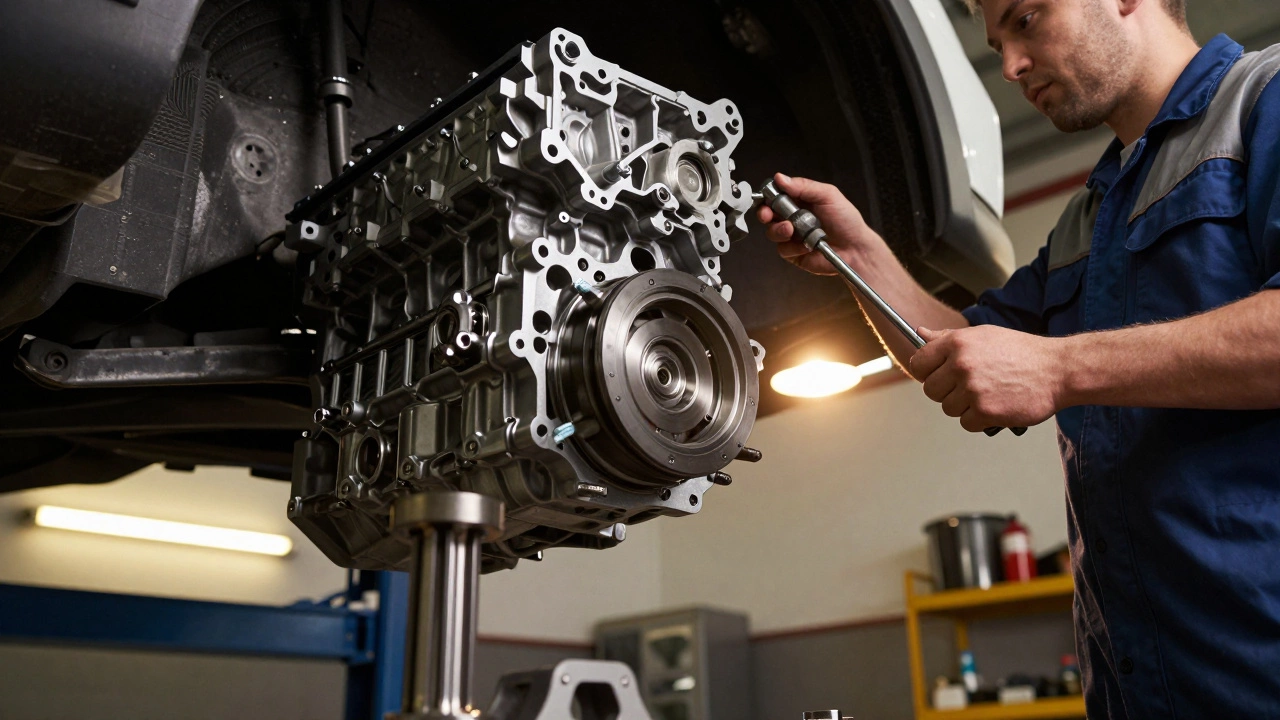
Replacing a clutch typically requires 3-6 hours of labor. At average shop rates, that’s $450-$900 in labor costs alone. If you skip the flywheel and the new clutch fails in six months due to a bad flywheel surface, you pay that full labor cost again. By replacing both upfront, you spread the labor cost over a much longer lifespan-often 50,000 to 100,000 miles.
Think of it this way: The flywheel is the foundation of the clutch system. You wouldn’t build a house on a cracked slab and expect the roof to hold up. Similarly, a new clutch on an old flywheel is a recipe for disappointment.
Pro Tips for Installation
If you’re doing this yourself or supervising a mechanic, keep these points in mind:
- Clean the Surface: Before installing the new flywheel, clean the crankshaft flange thoroughly. Any dirt or rust can cause uneven seating, leading to vibration.
- Lubricate Splines: Apply a thin layer of high-temperature grease to the transmission input shaft splines and the pilot bearing. This prevents binding and makes future repairs easier.
- Torque Specs Matter: Use a torque wrench for flywheel bolts. Over-tightening can warp the flywheel; under-tightening can lead to loosening and catastrophic failure. Follow the manufacturer’s sequence and values exactly.
- Check Alignment: Ensure the clutch disc is centered correctly using an alignment tool before bolting on the pressure plate. Misalignment causes immediate drag and wear.
Conclusion: Don’t Risk It
While it’s technically possible to reuse a single mass flywheel if it’s in pristine condition, the risks far outweigh the savings. For dual mass flywheels, replacement is non-negotiable. Given the high labor costs involved in clutch jobs, replacing the flywheel simultaneously is the most economical and reliable choice. It ensures smooth operation, extends the life of your new clutch, and saves you from costly repeat visits to the garage.
Can I just resurface my dual mass flywheel?
No. Dual mass flywheels contain internal springs and dampers that cannot be repaired or resurfaced. Attempting to machine a DMF will destroy its structural integrity and void warranties. It must be replaced as a complete unit.
How long does a new flywheel last?
A new dual mass flywheel typically lasts 100,000 to 150,000 miles, depending on driving habits. Single mass flywheels can last the lifetime of the vehicle if not abused, though they may need resurfacing every 60,000-80,000 miles if paired with aggressive clutch usage.
What happens if I install a new clutch on an old flywheel?
The new clutch disc will likely slip, overheat, and wear out prematurely. Glazed or warped surfaces prevent proper friction, causing shuddering, poor acceleration, and potential transmission damage. You’ll end up paying for labor twice.
Is it cheaper to replace the flywheel myself?
Yes, but only if you have the tools and space to drop the transmission. Labor accounts for 60-70% of the total cost. DIY saves hundreds, but mistakes in torque specs or alignment can lead to expensive failures.
Do all cars have dual mass flywheels?
No. Most modern passenger cars (especially diesels and small engines) use DMFs. Performance cars, older models, and many American trucks often use single mass flywheels for durability and lighter weight.