Cracked Radiator Repair Cost Estimator
Select your vehicle type and preferences to get an estimated cost range for 2026.
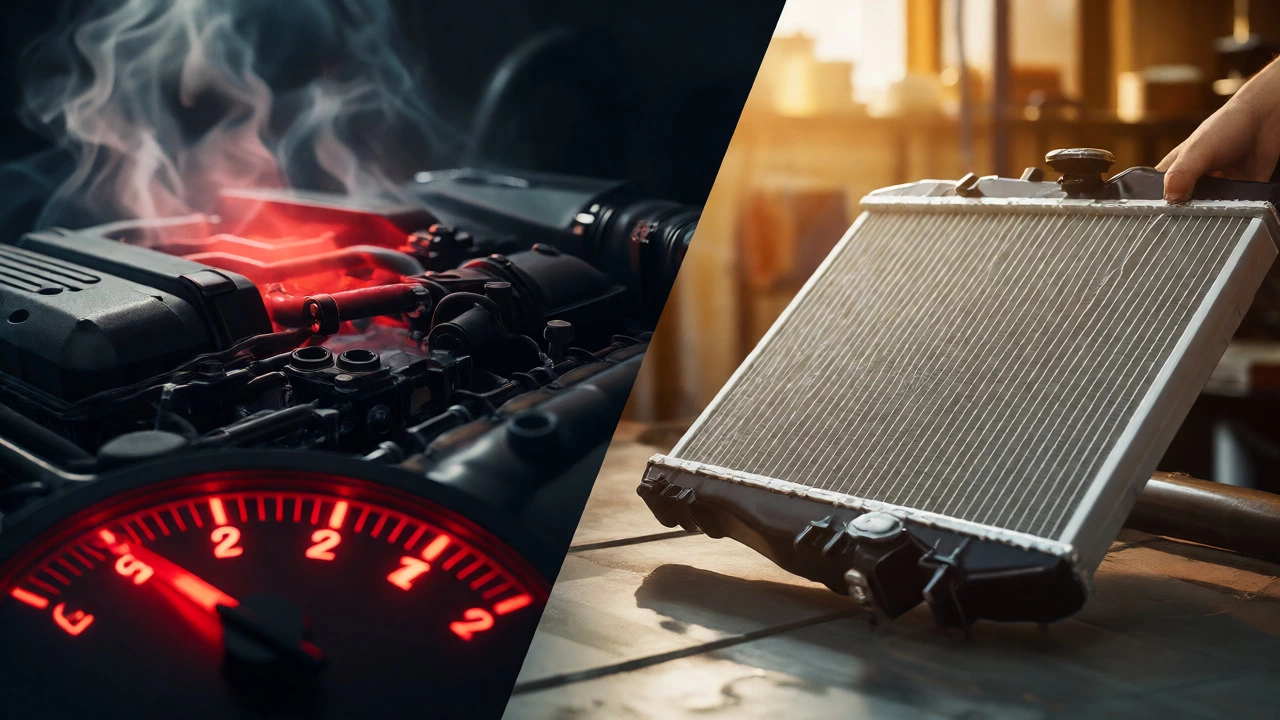
You’re driving down the highway when your temperature gauge starts creeping into the red zone. You pull over, pop the hood, and see it: a puddle of bright green or orange coolant on the pavement, or worse, a visible crack in the plastic tank of your radiator is a heat exchanger used to transfer thermal energy from one medium to another for the purpose of cooling and heating. In modern cars, this component is critical for keeping your engine within safe operating temperatures. The panic sets in. How much is this going to hurt your wallet? Is it worth fixing, or should you just buy a new car? The short answer? It depends. A cracked radiator isn’t always a death sentence for your bank account, but ignoring it definitely is for your engine. Let’s break down exactly what you’re looking at in terms of costs, risks, and smart decisions.
The Real Cost Breakdown: Parts vs. Labor
When mechanics quote you for a radiator job, they aren’t just guessing. They’re calculating two main things: the part itself and the hours spent wrestling with hoses, clamps, and transmission lines. As of 2026, prices have stabilized somewhat compared to the supply chain chaos of the early 2020s, but labor rates remain high. For most standard sedans and compact SUVs, here’s what you can expect to pay:- Radiator Part: $150 to $450 for an aftermarket unit. OEM (Original Equipment Manufacturer) parts can run $300 to $800+ depending on the brand.
- Coolant and Disposal: $20 to $50. You need fresh antifreeze, and old coolant has to be disposed of properly.
- Labor: This is the big variable. Expect 2 to 4 hours of work. At national average shop rates ($100-$150/hour), that’s $200 to $600.
| Vehicle Category | Part Cost (Aftermarket) | Labor Hours | Total Estimated Cost |
|---|---|---|---|
| Compact Sedan (e.g., Honda Civic) | $150 - $250 | 2 - 3 hours | $400 - $700 |
| Mid-Size SUV (e.g., Toyota RAV4) | $200 - $350 | 3 - 4 hours | $600 - $900 |
| Luxury/European (e.g., BMW 3 Series) | $350 - $600+ | 4 - 6 hours | $900 - $1,500+ |
| Truck/Van | $250 - $450 | 3 - 5 hours | $700 - $1,100 |
Can You Just Patch It?
Let’s address the elephant in the room: radiator sealants. You’ve seen those bottles at AutoZone promising to fix leaks for $10. Do they work? Sometimes. But are they a good idea? Rarely. If the crack is tiny-a hairline fracture in the plastic end tank-a temporary patch might hold you over until you get to a shop. However, these sealants often clog up the small passages inside the heater core, which is a small radiator located inside the dashboard that provides warm air to the cabin. Once the heater core clogs, you lose your defroster in winter and heat in summer. Replacing a heater core is often more expensive than replacing the radiator because it requires dismantling half the dashboard. Furthermore, sealants don’t fix structural integrity. A cracked radiator is compromised. Vibrations from the road will eventually widen that crack. If you’re planning to keep the car for more than six months, skip the patch. Replace the unit.Why Plastic Tanks Crack More Than Metal Cores
Older cars had all-metal radiators. Today, almost every vehicle uses a hybrid design: aluminum tubes and fins bonded to plastic end tanks. Why? It’s cheaper and lighter. But plastic gets brittle over time due to heat cycles and UV exposure. Here’s the science behind the failure: Your engine runs hot. The coolant circulates at temperatures exceeding 200°F (93°C). When you park the car, it cools down. This expansion and contraction stress weakens the bond between the plastic tank and the metal core. Eventually, the plastic cracks. This is why you rarely see cracks in the middle of the radiator; they happen at the seams where the plastic meets the metal.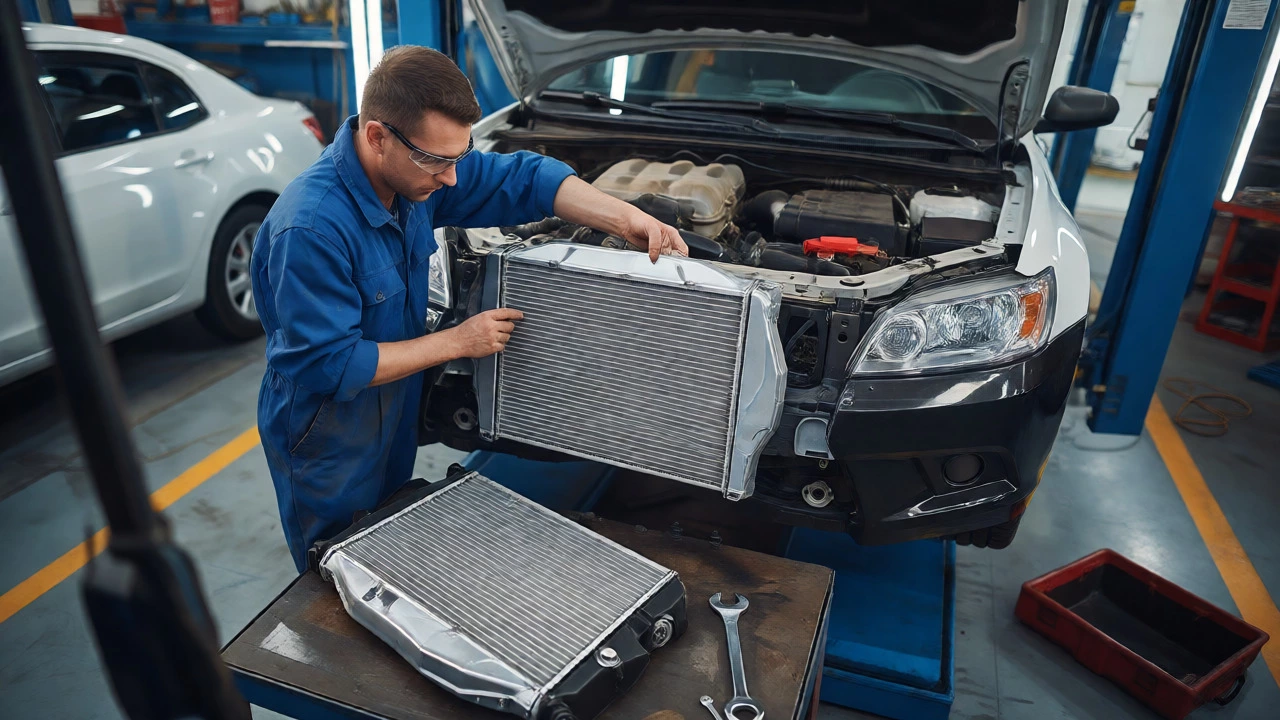
DIY vs. Professional: Who Should Do It?
Should you grab a wrench and do it yourself? Only if you’re comfortable working with pressurized systems and have basic mechanical skills. Here’s a quick checklist to decide:- Do it yourself if: You have jack stands, a drain pan, socket set, pliers, and patience. You want to save $300-$500. You know how to bleed air from the cooling system (critical step!).
- Hire a pro if: Your car requires removing the front bumper or fan assembly (common in modern cars like Ford F-150s or Teslas). You don’t have tools to dispose of coolant properly. You’re worried about damaging AC lines or transmission cooler lines nearby.
Is Replacement Better Than Repair?
In 95% of cases, yes. Radiators are relatively inexpensive components compared to the engine they protect. Attempting to weld or epoxy a cracked aluminum core is messy, unreliable, and often fails within weeks. Plastic tanks cannot be reliably repaired once cracked. Think of it this way: A new radiator costs less than a tow truck ride plus a diagnostic fee. A failed radiator leads to a blown head gasket, which can cost $1,500 to $3,000 to fix. Or worse, a seized engine, which totals the car. Spending $500 now saves thousands later.How to Prevent Future Cracks
You can’t stop time, but you can slow down radiator degradation. Here’s what actually works:- Use the Right Coolant: Never mix types. Check your owner’s manual. Using the wrong chemistry can corrode seals and weaken plastic.
- Flush Every 5 Years: Old coolant becomes acidic. Acid eats away at the internal linings and weakens external bonds. Flushing removes contaminants.
- Check Hoses and Clamps: Often, what looks like a radiator leak is actually a dripping hose. Fixing a $20 hose prevents unnecessary stress on the radiator connections.
- Keep the Exterior Clean: Road salt and dirt accumulate on the fins, trapping heat. Overheating accelerates plastic brittleness. Wash your radiator fins gently during car washes.
What About Warranty Coverage?
If your car is under 3 years or 36,000 miles, check your powertrain warranty. Most manufacturers cover defects in materials and workmanship. If the crack appeared prematurely, the dealer might replace it for free. However, physical damage from rocks or debris is usually excluded. Always ask for a written estimate before authorizing repairs.Frequently Asked Questions
How long does it take to replace a cracked radiator?
Typically, 2 to 4 hours for a professional mechanic. For a skilled DIYer, it might take 3 to 5 hours depending on accessibility. Complex vehicles requiring bumper removal can take longer.
Can I drive with a cracked radiator?
Only for very short distances to a repair shop, and only if you monitor the temperature gauge constantly. If the temperature rises above normal, shut off the engine immediately. Driving further risks catastrophic engine damage.
Is it cheaper to repair or replace a radiator?
Replacement is almost always the better option. Repairs are temporary fixes that often fail quickly and can cause secondary issues like clogged heater cores. New radiators are affordable and reliable.
What causes a radiator to crack?
Common causes include age-related brittleness of plastic tanks, freezing coolant (if using water instead of antifreeze), impact from road debris, and chronic overheating due to other cooling system failures.
Does a cracked radiator affect my AC?
Not directly, but many modern cars route AC condenser lines near or through the radiator area. Damage during repair attempts can affect the AC system. Also, severe overheating can disable AC compressors as a safety measure.