Brake Rotor Safety Diagnostic Tool
Select the symptoms you are experiencing to determine your safety level.
Vibration
Steering wheel shakes or pedal pulsates when braking.
Noise
High-pitched squealing or metallic grinding sounds.
Visual Damage
Visible cracks, deep scoring grooves, or blue spots.
Pulling
Car pulls to one side when brakes are applied.
Surface Rust
Light surface rust (car sat for a long time).
Stopping Distance
Car takes longer to stop than usual.
Imagine you’re cruising down the motorway in Bristol, rain slicking the asphalt, when you tap the brakes and feel that familiar, annoying vibration in the steering wheel. You know your brake rotors are metal discs attached to the wheels that brake pads clamp onto to slow the car down have seen better days. The immediate question isn’t just about comfort; it’s about survival. Can you actually drive a car with bad rotors?
The short answer is: technically, yes, but you shouldn’t. It’s like running on a sprained ankle because you don’t want to stop walking. You might manage a few steps, but one wrong move could leave you on the ground. Driving with compromised braking components turns every stoplight into a potential hazard.
Understanding What 'Bad' Rotors Actually Mean
Before we talk about the risks, we need to define what makes a rotor "bad." It’s not always a catastrophic failure where the metal snaps off. Often, it’s subtle degradation that creeps up on you.
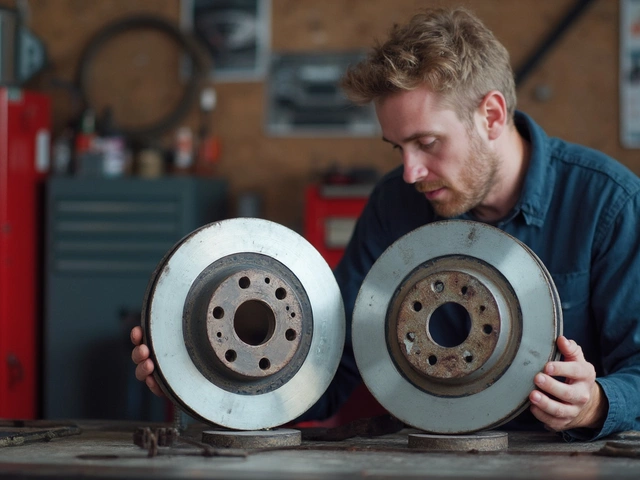
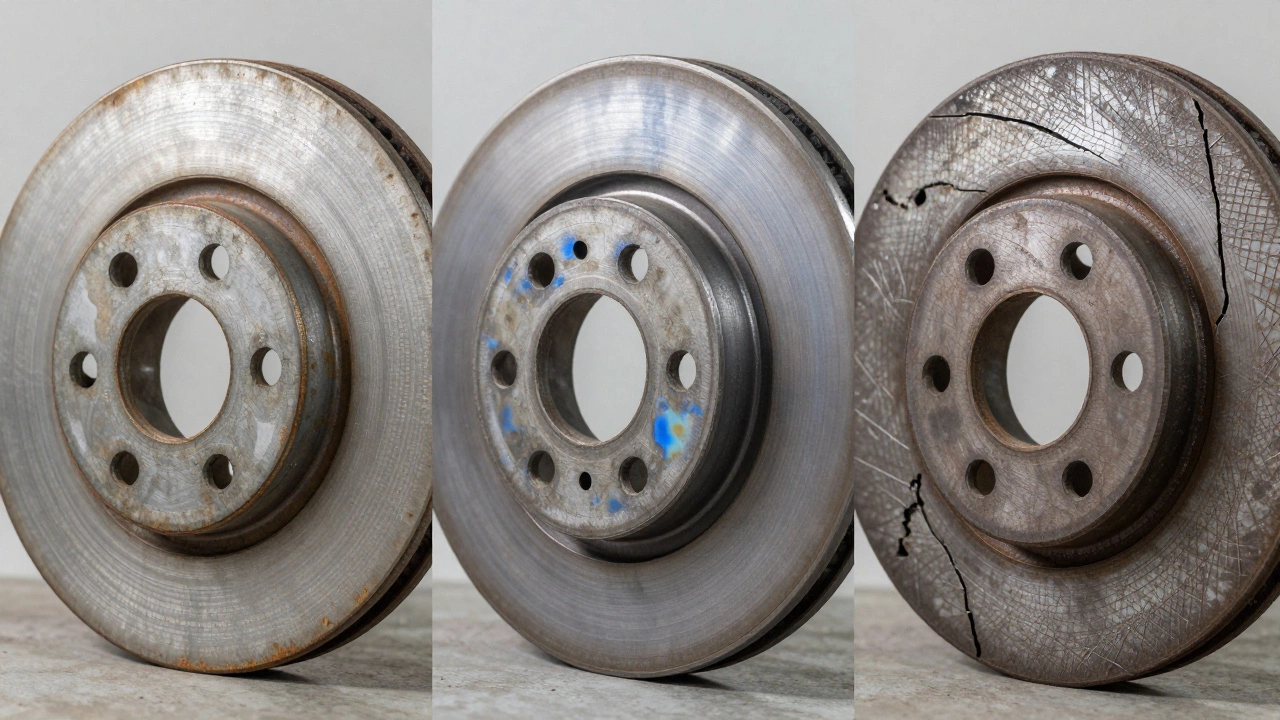
Warped rotors are rotors that have become uneven due to heat stress or physical impact, causing vibrations. This usually happens when you ride your brakes too hard, like coming down a steep hill without downshifting. The heat warps the metal slightly, creating high and low spots. When your brake pads hit those uneven surfaces, you get that pulsating feeling in the pedal or steering wheel.
Then there’s Rotor rust, which is surface oxidation that occurs when cars sit unused for long periods. If you live in a damp place like the UK, this is common. Light surface rust often disappears after a few gentle stops. However, if the rust pits deep into the metal, it becomes structural damage.
Finally, we have Cracked or scored rotors, which are rotors with visible deep grooves or fractures caused by worn brake pads dragging debris across the surface. Deep scoring reduces the surface area available for friction, while cracks can lead to sudden rotor failure under heavy braking.
The Real Dangers of Ignoring Rotor Issues
Why is driving with these issues so risky? It comes down to physics and reaction time. Your brakes are the only thing standing between you and an accident. When rotors are damaged, their ability to convert kinetic energy into heat (and thus stop the car) is compromised.
- Increased Stopping Distance: Warped or rusty rotors don’t make full contact with the brake pads. This means you need more distance to come to a halt. In an emergency stop, those extra meters can be the difference between a near-miss and a collision.
- Loss of Control: If one rotor is worse than the others, your car will pull to one side when you brake. This can cause you to swerve into another lane or off the road, especially at higher speeds.
- Brake Fade: Damaged rotors overheat faster. Overheated brakes lose their effectiveness, a phenomenon known as brake fade. Imagine trying to stop on a wet leaf-covered driveway-the brakes just won’t bite.
- Catastrophic Failure: In extreme cases, a cracked rotor can shatter under pressure. This is rare, but it results in total loss of braking power on that wheel.
How Far Can You Safely Drive?
This is the million-dollar question. There is no single mileage limit because it depends entirely on the severity of the damage. Here is a practical guide based on real-world scenarios.
| Rotor Condition | Symptoms | Safety Verdict | Action Required |
|---|---|---|---|
| Light Surface Rust | Slight squeak, no vibration | Safe for short trips | Drive gently, monitor closely |
| Mild Warping | Steering wheel shakes at highway speeds | Caution advised | Avoid heavy braking, repair soon |
| Deep Scoring/Pitting | Loud grinding noise, reduced braking power | Unsafe | Do not drive, tow to mechanic |
| Visible Cracks | Pulling to one side, severe vibration | Dangerous | Immediate professional inspection |
If you must drive to a garage, keep your speed low. Avoid highways if possible. Use engine braking (downshifting) to reduce wear on the brakes. And never carry heavy loads, as the extra weight increases the strain on your already compromised braking system.
Signs Your Rotors Are Failing
You don’t need to be a mechanic to spot trouble. Your car will tell you if something is wrong. Pay attention to these cues:
- Vibration in the Steering Wheel: This is the classic sign of warped front rotors. If the wheel shakes when you brake, the rotors are uneven.
- Pulsating Brake Pedal: If the pedal feels like it’s pushing back against your foot in a rhythmic pattern, your rear rotors might be warped.
- High-Pitched Squealing: Many modern brake pads have wear indicators that squeal when the pad is thin. However, a screeching sound can also mean the rotor surface is rough.
- Grinding Noise: A metallic grinding sound is a bad sign. It often means the brake pads are completely worn out and the metal backing plate is scraping against the rotor. This damages the rotor instantly.
- Blue Discoloration: If you see blue spots on the rotor, it has been overheated. This changes the metal’s hardness and makes it prone to warping.
Repair vs. Replace: Making the Right Choice
When you take your car to a shop, they might suggest machining (resurfacing) the rotors instead of replacing them. Is this a good idea?
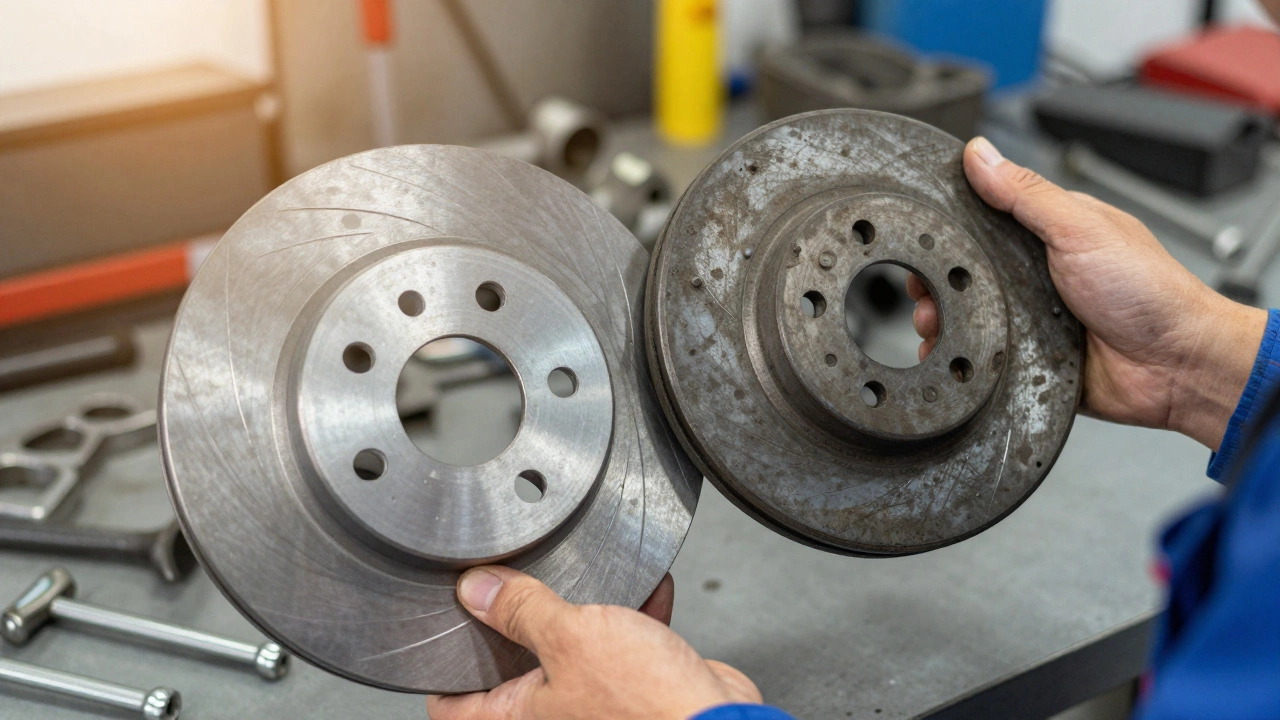
Machining removes a thin layer of metal to create a smooth, flat surface again. It’s cheaper than buying new rotors. However, most modern rotors are designed to be replaced, not resurfaced. They are thinner from the factory to save weight and meet fuel efficiency standards. Machining them further can make them too thin, leading to overheating and failure.
Always check the manufacturer’s minimum thickness specification. If the rotor is close to that limit, replacement is the only safe option. Given the cost of labor, sometimes buying new rotors is worth it for peace of mind and longevity.
Preventing Future Rotor Damage
Can you avoid this headache next time? Yes, with a few simple habits.
- Don’t Ride the Brakes: Keep your foot off the brake pedal unless you’re slowing down. Riding the brakes generates unnecessary heat.
- Downshift on Hills: Use lower gears to control speed on descents. Let the engine do the work, not the brakes.
- Replace Pads on Time: Worn pads expose metal clips and debris that score rotors. Changing pads before they grind down protects your rotors.
- Warm Up Cold Brakes: After washing your car or driving through deep water, gently apply the brakes a few times to dry them off. Wet rotors rust quickly.
Conclusion: Don’t Gamble With Your Safety
Driving with bad rotors is a gamble you shouldn’t take. While you might get away with a short trip to the mechanic, the risk of increased stopping distances and loss of control is too high. Your brakes are critical safety equipment. Treat them with respect, address issues early, and never ignore the signs your car is giving you.
How many miles can you drive with bad rotors?
There is no set mileage. If the rotors are severely warped or cracked, you should not drive at all. For mild warping, limit driving to essential short trips under 30 mph until repairs are made. Always prioritize getting to a mechanic as soon as possible.
Can you replace brake pads without replacing rotors?
Yes, if the rotors are still within the manufacturer's minimum thickness specifications and show no signs of warping, cracking, or deep scoring. However, mechanics often recommend replacing both together to ensure optimal performance and prevent premature wear on the new pads.
What does it cost to replace brake rotors?
Costs vary by vehicle. For a standard sedan, a pair of rotors might cost £100-£200 plus labor. Luxury vehicles or performance cars can cost significantly more. Always get a quote from a reputable local garage.
Is it dangerous to drive with warped rotors?
Yes. Warped rotors reduce braking efficiency and can cause the vehicle to pull to one side during braking. This increases stopping distances and compromises control, making accidents more likely, especially in emergency situations.
How often should brake rotors be replaced?
Typically every 50,000 to 70,000 miles, but this depends heavily on driving habits. Aggressive drivers who brake hard frequently may need replacements sooner. Regular inspections during oil changes can help catch issues early.