Fuel Pump Failure Risk Checker
Select the symptoms you are currently experiencing or your recent driving habits to estimate the risk of imminent fuel pump failure.
0%
Please select symptoms above.
You’re cruising down the M4 at 70 mph, the radio is playing, and everything feels normal. Then, without warning, the engine sputters, the power steering gets heavy, and your car coasts to a halt. It’s a terrifying scenario that every driver dreads. The question on everyone’s mind: can a fuel pump fail suddenly while driving? The short answer is yes, but it rarely happens in a vacuum. Usually, there are subtle clues you missed or ignored. Understanding how these components work-and how they die-can save you from being stranded on the hard shoulder.
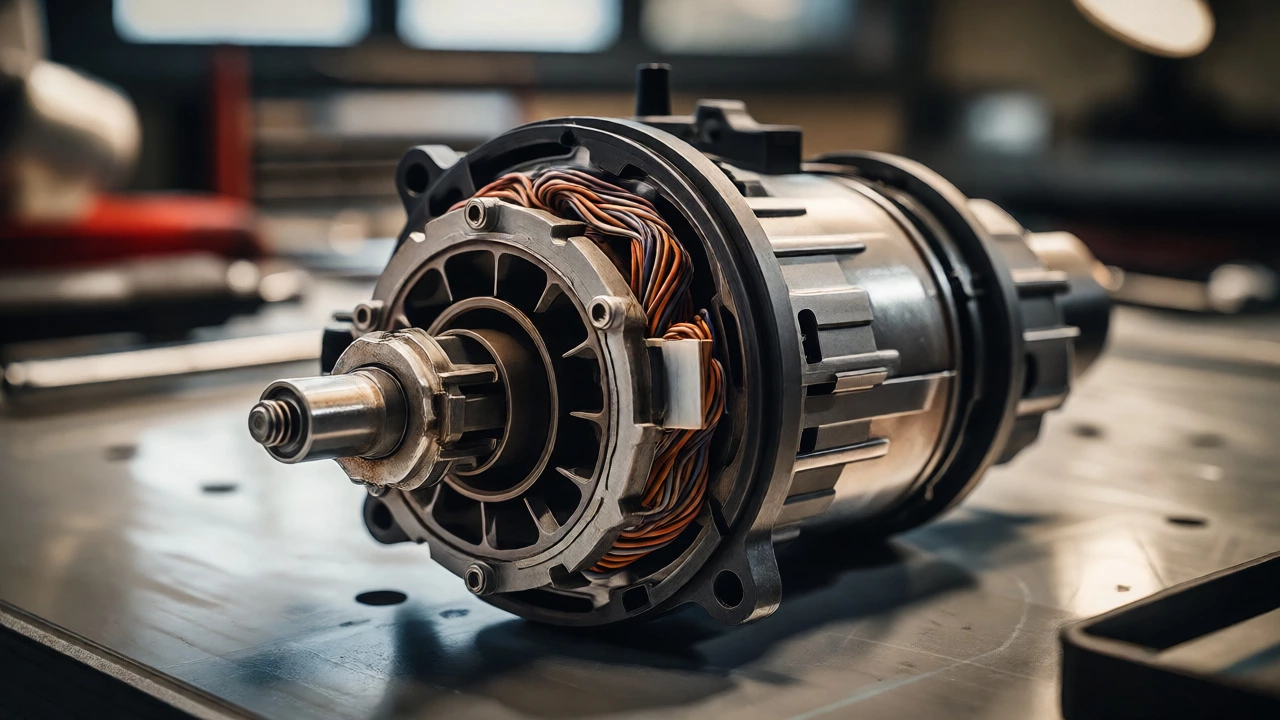
A fuel pump is essentially the heart of your engine’s fuel system. Its job is simple: push gasoline or diesel from the tank to the injectors at high pressure. Most modern cars use an electric fuel pump, typically located inside the fuel tank. This placement isn’t just for space-saving; the fuel itself acts as a coolant and lubricant for the pump motor. When this system fails, the engine starves for fuel, leading to immediate stalling. But does it snap like a dry twig, or does it wear out slowly? Let’s break down what actually happens when your fuel supply cuts out.
The Myth of Instant Death vs. Gradual Decline
People often imagine a fuel pump exploding or stopping dead in one second flat. In reality, most failures are progressive. A failing pump usually shows signs weeks before total collapse. However, certain conditions can cause a sudden shutdown. For instance, if the electrical relay controlling the pump burns out, or if a wire snaps due to vibration, the pump stops instantly even if the motor itself is healthy. Conversely, if the internal impeller wears down, the car might struggle on hills first, then hesitate during acceleration, and finally stall at idle.
Think of it like a dying flashlight battery. It doesn’t go from full brightness to pitch black instantly. It dims, flickers, and then dies. Your fuel pump behaves similarly. If you notice your car hesitating when you press the gas pedal, that’s the "flicker" phase. Ignoring those early warnings is what turns a manageable repair into a roadside emergency. Sudden failure is more common with electrical issues than mechanical wear, but both lead to the same result: no fuel, no fire, no movement.
Common Symptoms That Precede Failure
If you want to avoid getting stuck, learn to listen to your car. Before a pump quits completely, it screams for attention. Here are the red flags you shouldn’t ignore:
- Whining Noise: A loud whirring or humming sound from the back seat area (where the tank usually sits) indicates the pump is struggling. Healthy pumps are quiet; dying ones are noisy.
- Engine Sputtering at High Speeds: If your car jerks or loses power while maintaining highway speeds, the pump may not be delivering enough volume under load.
- Hard Starting: If the engine cranks longer than usual or requires multiple attempts to start, especially after sitting overnight, the pump might be losing pressure.
- Sudden Loss of Power Under Load: Climbing a steep hill or towing a trailer puts extra demand on the fuel system. If the car feels like it’s "running out of breath," the pump is likely failing.
- Stalling at Idle: If the car stalls while waiting at traffic lights, the pump may not be maintaining minimum pressure required for idle operation.
These symptoms aren’t exclusive to fuel pumps-clogged filters or bad spark plugs can mimic them-but they are the primary suspects. Addressing them early prevents the catastrophic "sudden stop" scenario.
Why Do Fuel Pumps Fail?
Fuel pumps don’t just break because they get old. Several specific factors accelerate their demise. Understanding these causes helps you extend the life of your current pump or choose a better replacement.
| Cause | Mechanism of Failure | Prevention Tip |
|---|---|---|
| Low Fuel Levels | Pump overheats because it’s not submerged in fuel (which cools it). | Keep tank above 1/4 full whenever possible. |
| Contaminated Fuel | Debris clogs the filter screen, causing the motor to strain and burn out. | Use reputable fuel stations; replace fuel filters regularly. |
| Electrical Issues | Corroded connectors or faulty relays cut power unexpectedly. | Inspect wiring harnesses during routine service. |
| Worn Internal Components | Impellers and bearings wear down over time, reducing pressure. | Replace pump around 100,000-150,000 miles if symptoms appear. |
The most preventable cause is running on empty. Many drivers treat the "E" mark on the dashboard as a suggestion, not a warning. But remember, the pump lives in the tank. If the fuel level drops below the intake, the pump sucks in air and vapor. Without liquid fuel to cool it, the motor overheats rapidly. Doing this repeatedly shortens the pump’s lifespan significantly. In Bristol, where we have plenty of hilly terrain, keeping the tank topped up also ensures consistent fuel delivery on inclines.
What Happens If It Fails While Driving?
Imagine the pump gives up while you’re merging onto the motorway. What exactly occurs? First, the engine will likely sputter rather than shut off instantly. You’ll feel a loss of torque. The tachometer needle may drop, and the speed will decrease as drag takes over. Modern cars with electronic throttle control might enter "limp mode," limiting RPMs to protect the engine, but you’ll still lose significant power.
Crucially, your brakes and steering remain functional. Power-assisted brakes rely on vacuum or hydraulic pressure, which persists briefly after the engine stops. Steering assist (hydraulic or electric) usually continues working for a few seconds, giving you time to steer safely to the side. Don’t panic and slam the brakes. Instead, turn on your hazard lights immediately, signal, and guide the car to the nearest safe spot. Once stopped, restart the engine. If it starts and runs fine for a mile, then dies again, you’ve confirmed a fuel delivery issue.
Diagnosing the Problem: DIY Checks vs. Professional Help
Before handing over your keys to a mechanic, you can do some basic checks. Listen for the priming sound. Turn the ignition key to the "on" position (without starting the engine). You should hear a faint hum from the rear of the car for about two seconds. No sound? Check the fuse and relay first. These are cheap fixes compared to replacing a pump.
If the pump hums but the car won’t start, the issue could be low pressure. Mechanics use a fuel pressure gauge attached to the rail to measure output. Each vehicle has specific pressure specs-for example, many petrol engines require 3-5 bar. If the reading is below spec, the pump is weak. Another trick: tap the bottom of the fuel tank gently with a rubber mallet while someone tries to start the car. Sometimes, a stuck impeller will free up temporarily, allowing the car to start. This confirms a mechanical fault within the pump assembly.

Cost and Replacement Considerations
Replacing a fuel pump isn’t cheap. The part itself ranges from £80 to £250 depending on the model. Labor adds another £100-£200 because accessing the pump often requires dropping the fuel tank. In some cars, like older Vauxhalls or Fords, access panels under the rear seats make it easier. Others require lifting the entire car and removing the tank, which is labor-intensive.
When replacing, always change the fuel filter too. A new pump pushing through a clogged filter will fail prematurely. Also, consider the quality of the part. OEM (Original Equipment Manufacturer) parts cost more but offer reliability. Aftermarket brands vary wildly; stick to reputable names like Bosch, Delphi, or Walbro. Cheap, unbranded pumps often fail within a year, costing you double in labor later.
Preventive Maintenance Tips
You can’t keep a fuel pump forever, but you can maximize its life. Treat it like any other precision component.
- Don’t Run on Empty: Make it a habit to refuel when the gauge hits half a tank. This keeps the pump cooled and lubricated.
- Use Quality Fuel: Premium fuels contain detergents that help keep injectors and pump components clean. Avoid dubious discount stations known for contaminated tanks.
- Change Fuel Filters: Follow your manufacturer’s schedule. If you drive in dusty areas or use lower-quality fuel, change it more frequently.
- Address Electrical Gremlins Early: If your car has intermittent electrical issues, get them checked. Corrosion in the connector plug can cause arcing and damage the pump motor.
By staying proactive, you reduce the chance of a sudden mid-journey breakdown. Remember, a small noise now is cheaper than a tow truck bill later.
How long do fuel pumps typically last?
Most modern electric fuel pumps are designed to last between 100,000 and 150,000 miles. However, poor maintenance, such as consistently running on low fuel or using dirty gas, can reduce this lifespan by half. Some pumps may fail sooner if subjected to extreme heat or electrical surges.
Can I drive with a bad fuel pump?
You can drive short distances if the pump is only partially failing, but it’s risky. The car may stall unexpectedly, leaving you stranded in traffic. Additionally, a struggling pump draws excessive current, which can blow fuses or damage the wiring harness. It’s best to limit driving to trips to the repair shop.
Does a bad fuel pump affect fuel economy?
Yes, indirectly. A failing pump may deliver inconsistent fuel pressure, causing the engine computer to compensate by injecting more fuel than necessary. This leads to poor combustion efficiency and reduced mileage. You might also experience rough idling, which further wastes fuel.
Is it dangerous if my fuel pump fails while driving?
It is inconvenient but generally not dangerous if handled correctly. Your brakes and steering remain operational for a short period. The main risk is losing power in high-speed traffic or on blind curves. Always activate hazard lights immediately and coast to the shoulder. Never attempt to diagnose the problem while standing in active traffic lanes.
Why does my car stall only when hot?
This is a classic sign of a failing fuel pump. As the engine and surrounding components heat up, the electrical resistance in the pump motor increases. A worn-out pump may not have enough power to overcome this resistance when hot, causing it to cut out. Once it cools down, the resistance drops, and the car starts again.