Bosch Wiper Blade Value Calculator
Your Driving Profile
Standard Rubber
(e.g., Aerotwin/Essential)
Total Cost
$0.00
Replacements Needed
0
Silicone Coated
(e.g., Bosch Icon)
Total Cost
$0.00
Replacements Needed
0
Have you ever stared at a rain-streaked windshield and wondered if your wiper blades are actually doing their job? It’s a frustrating feeling. You wipe, you smear, you squint. But before you blame the weather or your eyesight, let’s look at the tool itself. Specifically, we need to talk about what those blades are made of. If you’re driving a car with Bosch a global engineering company known for automotive components and power tools wipers, you might have heard rumors that they use silicone. Do they? Is it better? And should you switch?
The short answer is yes and no. Bosch makes both. But understanding the difference between their standard rubber options and their newer silicone technology is the key to getting a crystal-clear view on the road.
The Standard: Natural Rubber
When you buy a standard pair of Bosch Aerotwin Bosch's premium line of flat wiper blades featuring an aerodynamic design, you are almost always buying natural rubber. This has been the industry standard for decades, and for good reason. Natural rubber offers excellent flexibility and grip right out of the box. It conforms well to the curve of your windshield, ensuring full contact from the first swipe.
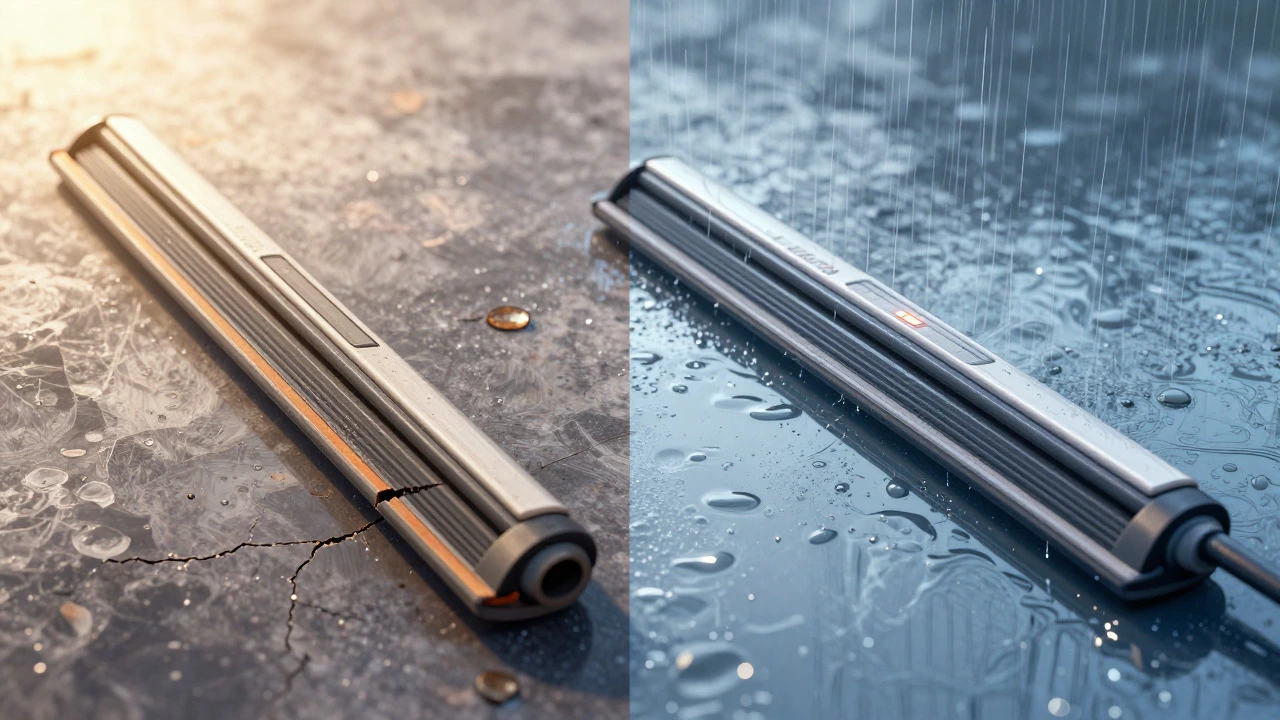
However, rubber has a major weakness: oxidation. Over time, exposure to UV rays, ozone, and extreme temperatures causes rubber to harden and crack. You’ve seen it happen. Those smooth, black edges turn into stiff, jagged strips that chatter and skip across the glass. Most drivers replace their rubber wipers every six to twelve months because of this degradation. It’s a necessary evil for most motorists.
The Alternative: Silicone Coating
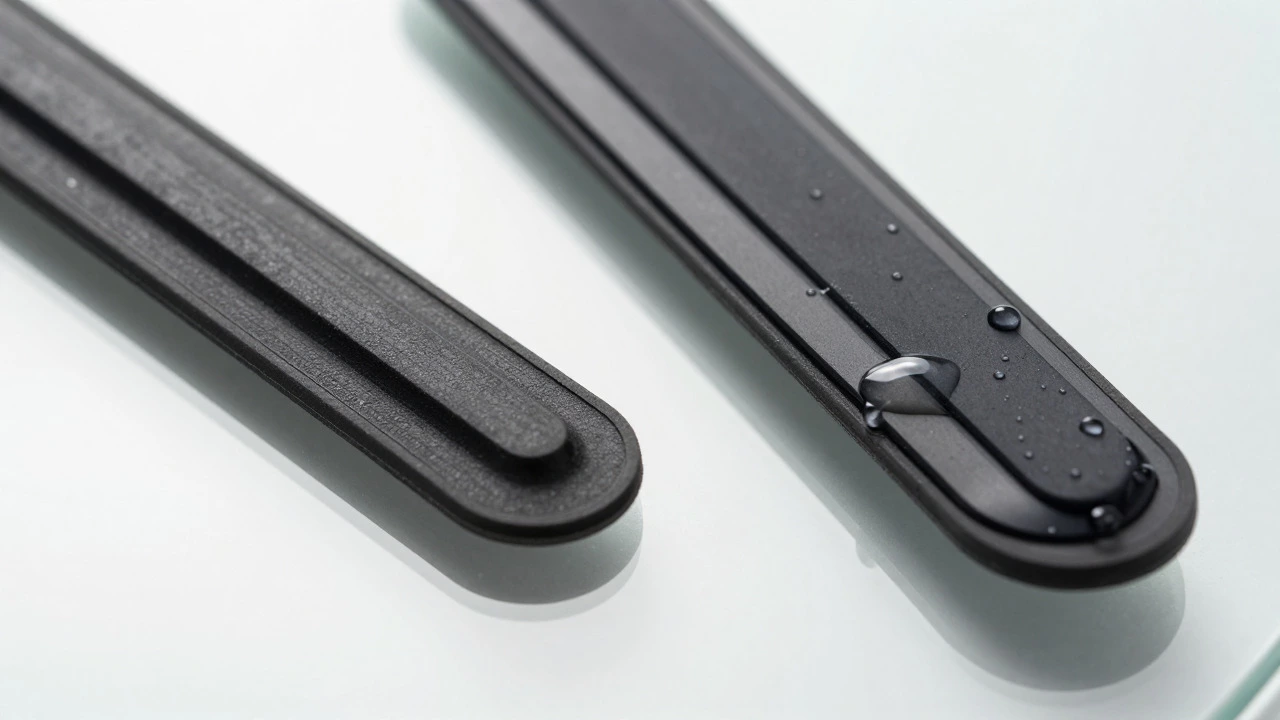
Now, let’s talk about the buzzword: silicone. When people ask if Bosch wipers are silicone, they are usually referring to Silicone-coated wiper blades Wiper blades treated with a layer of silicone to reduce friction and repel water. Pure silicone blades are rare in the consumer market because pure silicone can be too slippery, causing the blade to lose contact with the glass at high speeds. Instead, manufacturers like Bosch often apply a specialized silicone coating to a rubber core.
This hybrid approach gives you the best of both worlds. The rubber core provides the necessary tension and grip, while the silicone outer layer does the heavy lifting when it comes to cleaning. Silicone is naturally hydrophobic, meaning it repels water. It also has a much lower coefficient of friction than rubber. What does that mean for you? Less squeaking, less streaking, and significantly longer life. A silicone-coated blade can last two to three times longer than a standard rubber one.
Which Bosch Models Use Which Material?
If you walk into an auto parts store or browse online, you’ll see several Bosch product lines. Knowing which one uses which material helps you make the right choice for your budget and needs.
| Product Line | Primary Material | Key Feature | Lifespan Estimate |
|---|---|---|---|
| Bosch Icon | Silicone Coated | Hydrophobic effect, silent operation | 18-24 months |
| Bosch Aerotwin | Natural Rubber | Aerodynamic design, strong beam pressure | 6-12 months |
| Bosch Essential | Natural Rubber | Basic functionality, affordable price | 6-9 months |
| Bosch Direct Connect | Natural Rubber | Tool-free installation, durable frame | 6-12 months |
As you can see, the Bosch Icon is the standout here. It is specifically marketed as a silicone-coated blade. If you want the benefits of silicone without buying aftermarket modifications, this is the model to look for. The rest of the lineup relies on high-quality natural rubber, engineered to perform well but still subject to the usual wear and tear.
Why Silicone Performs Better in Rain
You might be wondering why everyone is so excited about silicone. Let’s break down the physics. When water hits a standard rubber blade, it tends to cling to the surface due to surface tension. The rubber has to physically push the water away. With silicone, the water beads up and rolls off almost instantly. This is called the lotus effect.
In heavy rain, this difference is night and day. Silicone blades clear the windshield faster because they aren’t fighting against sticky water. They glide. This reduces the load on your wiper motor and ensures that you have maximum visibility during critical moments. Plus, because silicone doesn’t degrade as quickly from UV exposure, your blades stay flexible even after a long summer parked under the sun.
Common Myths About Silicone Wipers
Before you rush out to buy the most expensive silicone blades available, let’s address some common misconceptions. First, there’s the myth that silicone blades are too slippery. Early versions of silicone wipers did suffer from this issue, where they would bounce off the glass at highway speeds. Modern coatings, like those used by Bosch, solve this by adding microscopic textures or using a hybrid rubber-silicone compound. So, stick-slip issues are largely a thing of the past.
Another myth is that silicone leaves oily residues. This was true for cheap, uncoated silicone sleeves sold in gas stations years ago. They would smear oil onto the glass, creating a rainbow haze. Premium silicone blades, however, are formulated to be clean-drying. They leave no residue, just a clear path.
Installation Tips for Best Performance
Whether you choose rubber or silicone, how you install the blade matters more than you think. Many people rip open the package and snap the new blade onto the arm immediately. This is a mistake. New blades, especially silicone ones, often come with a protective film or a slight manufacturing curvature. Always remove any plastic wrapping completely. Then, gently flex the blade back and forth a few times before installation. This helps the rubber or silicone settle into its natural shape.
Also, clean your windshield thoroughly before installing new blades. Old grease, tree sap, and bug splatter can ruin a brand-new blade within days. Use a dedicated glass cleaner or rubbing alcohol to strip the surface. For silicone blades, avoid using wax-based tire shine near the windshield area, as overspray can coat the glass and reduce the hydrophobic effect.
Cost vs. Value: Is Silicone Worth It?
Let’s talk money. A pair of Bosch Icon silicone blades will cost you roughly twice as much as a pair of Bosch Essential rubber blades. Is it worth the extra cash? If you drive frequently in rainy climates, the answer is yes. The extended lifespan means you replace them less often, saving money in the long run. The improved visibility and reduced noise add value to your daily commute.
However, if you live in a dry area or only drive occasionally, standard rubber blades might suffice. They do the job adequately for a fraction of the price. Consider your local weather patterns and how much you rely on your windshield for safety. In places like Bristol, where rain is a frequent visitor, investing in silicone could be a smart move for peace of mind.
Maintenance Matters More Than Material
Even the best silicone blades will fail if neglected. Regular maintenance can double the life of any wiper blade. Every month, wipe the rubber edge with a damp cloth to remove dust and debris. Check for cracks or tears. If you notice chattering, don’t ignore it. It could indicate a dirty windshield or a worn-out blade. Replacing blades proactively, rather than waiting until they fail in a storm, is always the safer bet.
Remember, your wiper blades are the only part of your car that touches the road (via the windshield) every single day. Treat them with respect, choose the right material for your needs, and you’ll never have to squint through a blurry view again.
Are all Bosch wiper blades made of silicone?
No, not all Bosch wiper blades are made of silicone. Most of their standard lines, such as the Aerotwin and Essential series, use high-quality natural rubber. Only specific premium models, like the Bosch Icon, feature a silicone coating designed for enhanced durability and water repellency.
Do silicone wiper blades last longer than rubber ones?
Yes, silicone-coated wiper blades generally last longer than standard rubber blades. Silicone is more resistant to UV damage, ozone, and temperature extremes, which are the main causes of rubber degradation. While rubber blades may need replacement every 6-12 months, silicone blades can often last 18-24 months or more.
Is the Bosch Icon worth the higher price?
For drivers in areas with frequent rain or harsh weather, the Bosch Icon is often worth the investment. Its silicone coating provides superior water repellency, quieter operation, and a longer lifespan compared to standard rubber blades. The initial higher cost is offset by fewer replacements over time and improved visibility.
Can I put silicone sleeves on my existing rubber wipers?
You can, but it is generally not recommended. Aftermarket silicone sleeves can be difficult to fit correctly and may slip or cause uneven wiping. Additionally, low-quality sleeves can leave oily residues on your windshield. It is usually better to buy a complete set of quality silicone-coated blades from a reputable brand like Bosch.
How do I know if my wiper blades are wearing out?
Signs of worn wiper blades include streaking, smearing, chattering, or skipping across the windshield. You might also notice visible cracks, splits, or hardening of the rubber edge. If your visibility is compromised during rain, it is time to replace them regardless of how old they are.