Fuel Pump Diagnostic Checker
Select the symptoms you are experiencing or enter any OBD-II codes you have found. This tool analyzes the likelihood of a fuel pump issue versus other common causes.
Symptoms Checklist
- Hesitation/Sputtering under acceleration High Load Issue
- Hard starting after sitting overnight Pressure Loss
- Whining noise from rear (tank area) Strong Indicator
- Rough idle at stoplights Mixed Causes
- Stalling when tank is low Overheating/Debris
- No physical symptoms, just CEL Unknown
OBD-II Code Entry
Awaiting Input...
Please select symptoms or enter a code above.
You're driving along, minding your own business, when suddenly that little orange icon pops up on your dashboard. The Check Engine Light is glowing at you, and your mind immediately goes to the worst-case scenario: a blown head gasket or a seized engine. But what if it's something simpler? What if it's just the fuel pump starting to fail?
The short answer is yes, but it’s not always a direct "one-to-one" relationship like a loose gas cap. A failing fuel pump doesn't usually trip the light because the computer sees the pump itself breaking; rather, it trips because the engine isn't getting the right amount of fuel to run smoothly. This distinction matters because it changes how you diagnose the problem. If you ignore it, you might end up stranded on the side of the road before the light even starts flashing.
How Your Car Knows Something Is Wrong
To understand why the light comes on, you need to know what the Engine Control Unit (ECU) actually monitors. It doesn't have a sensor glued to the fuel pump that says, "Hey, I'm wearing out." Instead, it watches the results of the fuel delivery system. The ECU constantly checks the air-fuel mixture using oxygen sensors in the exhaust system. If the mixture gets too lean (too much air, not enough fuel), the ECU tries to compensate by injecting more fuel. If it can't fix the imbalance within a certain range, it triggers a Diagnostic Trouble Code (DTC).
This is where the OBD-II system comes into play. When your fuel pump weakens, it fails to maintain proper fuel pressure. The injectors spray less fuel than the engine needs for the current load. The oxygen sensors detect this excess oxygen in the exhaust, signaling a lean condition. The ECU logs this as a misfire or a lean code, and boom-your check engine light illuminates. So, technically, the light is warning you about the engine's performance, which is being hampered by the fuel pump.
Common Codes That Point to Fuel Issues
If you hook up an OBD-II scanner, you won't see a code that simply says "Bad Fuel Pump." You'll see codes related to fuel trim and misfires. Here are the ones you’re most likely to encounter:
- P0171 (System Too Lean Bank 1): This means the engine is getting too much air relative to fuel. While this can be caused by vacuum leaks, a weak fuel pump is a prime suspect, especially if the issue worsens under acceleration.
- P0300 - P0308 (Random/Multiple Cylinder Misfires): If the fuel pump can't keep up with demand, cylinders don't get enough fuel to ignite properly. This causes the engine to stumble or shake.
- P0087 (Fuel Rail/System Pressure Too Low): Some modern cars have a dedicated fuel pressure sensor. If this code appears, it’s a near-certain indicator of a failing pump or a clogged filter.
Don't panic if you see these codes individually. They are symptoms, not diagnoses. However, if they appear together, especially while driving uphill or towing, the likelihood of a fuel pump issue skyrockets.
Symptoms Beyond the Dashboard Light
The check engine light is often the last thing to happen. Long before that orange bulb lights up, your car will give you physical clues. Pay attention to these signs-they are often more reliable indicators of a dying pump than the light itself.
First, listen to your car. When you turn the key to the "On" position (before starting the engine), you should hear a faint hum from the rear of the vehicle. This is the electric fuel pump priming the system. If that hum is silent, or if it sounds whiny and strained, the pump is struggling. In older mechanical pumps, you might hear a ticking sound, but for most modern cars, that electric hum is your best diagnostic tool.
Next, notice how the car drives. A failing pump typically struggles under high demand. You might feel hesitation or sputtering when you accelerate hard, go up a steep hill, or carry heavy loads. At idle, the car might run fine because the fuel demand is low. As soon as you ask for power, the pump can't deliver the volume, and the engine starves. This "power loss under load" is a classic hallmark of fuel delivery issues.
Another telltale sign is difficulty starting. If the pump's internal check valve fails, fuel drains back into the tank overnight. When you try to start the car in the morning, the lines are empty. You have to crank the engine longer until the pump refills the rails. If this happens repeatedly, the pump is losing its ability to hold pressure.
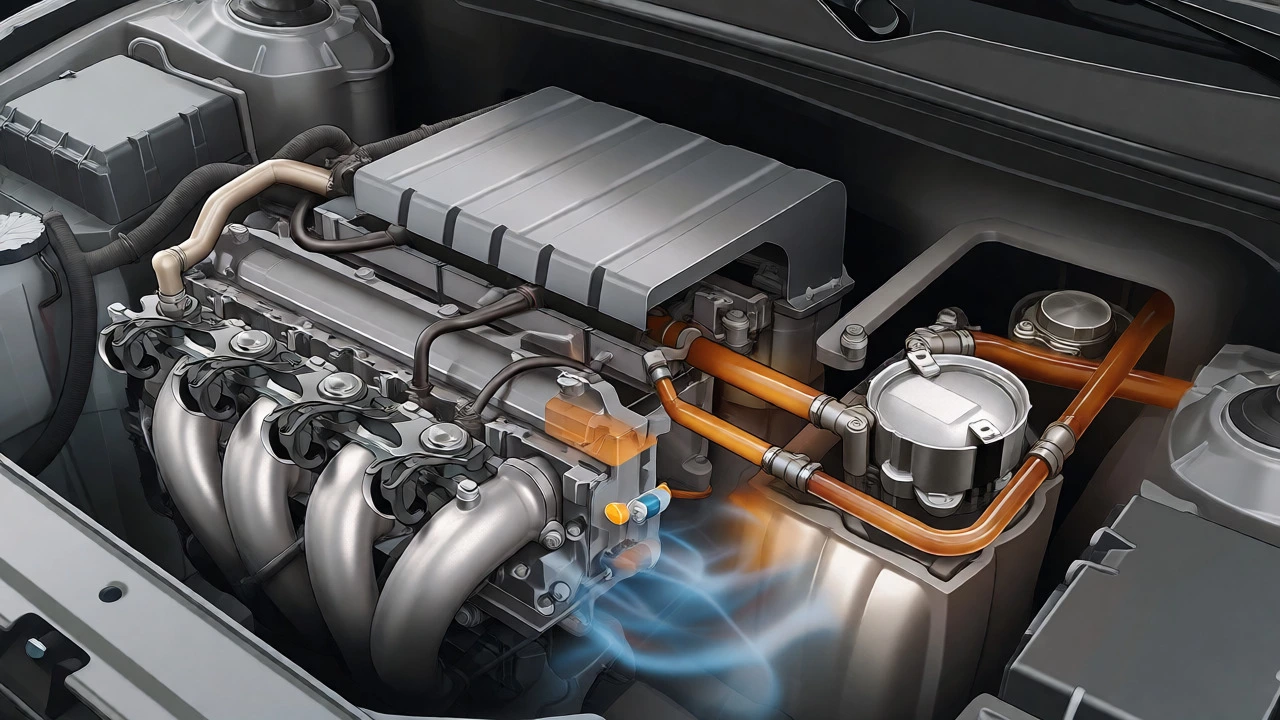
Fuel Pump vs. Other Culprits: How to Tell the Difference
It’s easy to blame the fuel pump, but several other components mimic its failure. Before you spend money on a new pump, rule out the cheaper fixes.
| Symptom | Likely Cause | Quick Check |
|---|---|---|
| Hesitation under acceleration | Clogged Fuel Filter | Replace filter (often part of pump assembly) |
| Rough idle + Lean Code | Vacuum Leak | Spray carb cleaner around intake manifold |
| Hard start after sitting | Battery or Starter | Check voltage during cranking |
| Whining noise from tank | Failing Fuel Pump | Listen for pitch change at startup |
| Low Power + High Temp | Catalytic Converter | Check for backpressure/exhaust blockage |
A clogged fuel filter is the most common alternative explanation. In many modern cars, the filter is integrated into the fuel pump module inside the tank. If the filter is dirty, flow decreases, mimicking a weak pump. Replacing the filter is cheap and easy compared to replacing the entire pump assembly. Also, check your spark plugs. Worn plugs can cause misfires that trigger similar codes, but they won't cause the specific "lean" conditions associated with fuel starvation.
When to Act Immediately
Not all check engine lights are created equal. If your light is steady, you can probably drive home and schedule a diagnostic appointment. But if the light is flashing, pull over safely as soon as possible. A flashing light indicates a severe misfire that can dump unburned fuel into your hot catalytic converter, destroying it in minutes. A ruined catalytic converter costs thousands; a fuel pump costs hundreds.
Even if the light is steady, don't ignore it for months. A failing fuel pump can overheat. Modern pumps rely on the fuel flowing through them to stay cool. If the pump is worn and working harder to push fuel, it generates more heat. Eventually, it can seize completely. If that happens while you're on the motorway, you lose all power instantly. It’s safer to replace a struggling pump than to risk a sudden breakdown in traffic.
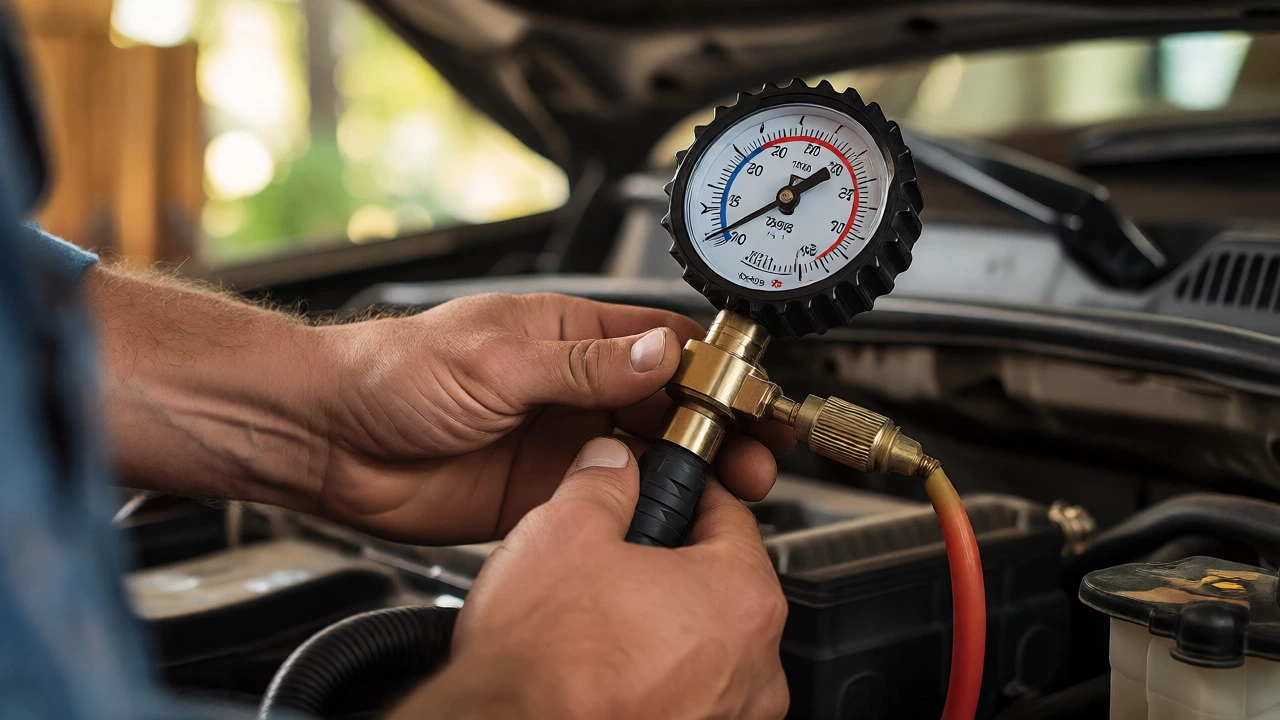
DIY Diagnosis Tips
You don't need a mechanic to confirm your suspicions. Here are three simple tests you can do in your driveway:
- The Fuel Pressure Test: Most fuel rails have a Schrader valve (like a tire valve). Buy a fuel pressure gauge kit online for about £20-£30. Attach it to the valve and start the engine. Compare the reading to your car’s service manual specs. If it’s significantly below spec, your pump is weak.
- The Voltage Drop Test: Use a multimeter to measure the voltage reaching the fuel pump connector while the engine is running. If you have 12V at the battery but only 9V at the pump, you have a wiring or ground issue, not necessarily a bad pump. Fix the wiring first-it’s free.
- The Tap Test: Sometimes, a stuck relay or a slightly seized pump impeller can be temporarily revived by tapping the bottom of the fuel tank with a rubber mallet while someone turns the key. If the car starts after a tap, the pump is definitely on its way out.
Replacement Considerations
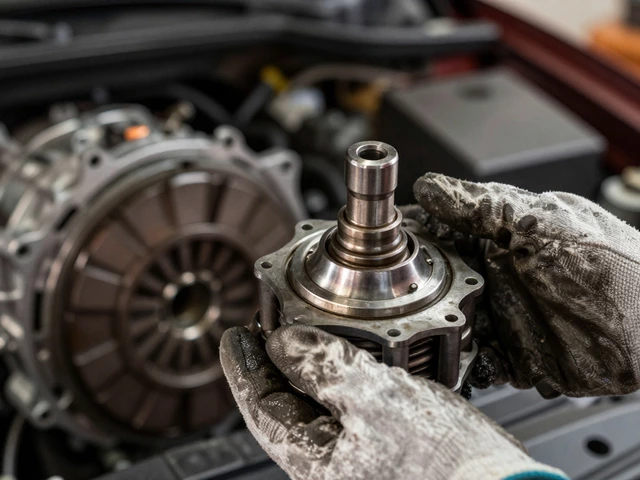
If you’ve confirmed the pump is bad, you have choices. Original Equipment Manufacturer (OEM) parts fit perfectly and match factory specifications but cost more. Aftermarket brands like Bosch or Delphi offer excellent quality at lower prices. Avoid the cheapest no-name brands; their internal motors often fail within a year.
Also, consider replacing the fuel filter if it’s separate. And if your car has been sitting for years, the plastic strainer sock at the bottom of the tank might be disintegrated. Debris from this can clog the new pump immediately. Always inspect the old strainer when you drop the tank.
Can a bad fuel pump damage my engine?
Yes, indirectly. A weak fuel pump causes lean air-fuel mixtures. Running lean creates higher combustion temperatures, which can lead to pre-ignition (knocking) and potentially damage pistons or valves over time. Severe lean conditions can also cause misfires that destroy the catalytic converter.
How long can I drive with a bad fuel pump?
If the check engine light is steady and the car runs normally, you might manage a few hundred miles. However, if you experience hesitation, sputtering, or hard starts, the pump could fail completely at any moment. It’s risky to drive far without a spare plan.
Will adding fuel injector cleaner help a bad fuel pump?
No. Injector cleaners clean the injectors and upper cylinder walls. They do not lubricate or repair the mechanical wear inside the electric fuel pump located in the tank. If the pump motor is worn, chemicals won't restore its pressure output.
Is it expensive to replace a fuel pump?
Parts typically range from £50 to £150 depending on the vehicle. Labor can vary widely because some pumps are accessible under the rear seat, while others require dropping the fuel tank, taking 2-4 hours of labor. Total costs often fall between £200 and £500.
Why does my car stall when the tank is low?
The fuel pump relies on fuel to stay cool. When the tank is low, the pump may suck in air instead of liquid, causing it to overheat and shut down temporarily. Additionally, sediment accumulates at the bottom of the tank, which can clog the pump inlet when fuel levels are low.