Radiator Risk & Cost Calculator
Select Radiator Condition
Mild Leak / Low Coolant
Slight temp rise, occasional topping up.
Clogged / Reduced Efficiency
Temp climbs in traffic, normal on highway.
Major Leak / No Coolant
Rapid overheating, steam, warning lights.
Risk Assessment
Select a condition above to see your risk level.
Potential Repair Costs
Cost estimates will appear here.
Can you drive your car if the radiator is failing? The short answer is yes, but it’s a ticking time bomb. Your car might start and move forward for a few miles, or even a few days, depending on how severe the damage is. However, driving with a compromised cooling system is one of the fastest ways to turn a cheap repair into a catastrophic engine replacement.
The radiator is the heart of your vehicle's cooling system, responsible for dissipating heat from the engine coolant to keep operating temperatures within safe limits. Without it, your engine doesn't just get warm; it gets hot enough to melt metal and warp critical components. In this guide, we’ll break down exactly what happens when a radiator goes bad, how long you can realistically drive before giving up the ghost, and what signs to watch for so you don’t end up stranded on the side of the road.
How the Cooling System Works (And Why It Matters)
To understand why a bad radiator is such a big deal, you need to know what it actually does. Your engine generates massive amounts of heat during combustion. If that heat isn’t removed, the metal parts expand beyond their tolerances. This leads to friction, seizing, and ultimately, total engine failure.
The coolant (often mixed with water) circulates through the engine block, absorbing this heat. It then flows into the radiator, where air passing through the fins cools the liquid down before it cycles back to the engine. Think of it like a radiator in your home, but instead of heating your living room, it’s dumping heat out onto the street as you drive.
- Thermostat: Regulates flow based on temperature.
- Water Pump: Circulates the coolant.
- Radiator Fan: Pulls air through the radiator when you’re stopped or moving slowly.
- Hoses: Carry the fluid between components.
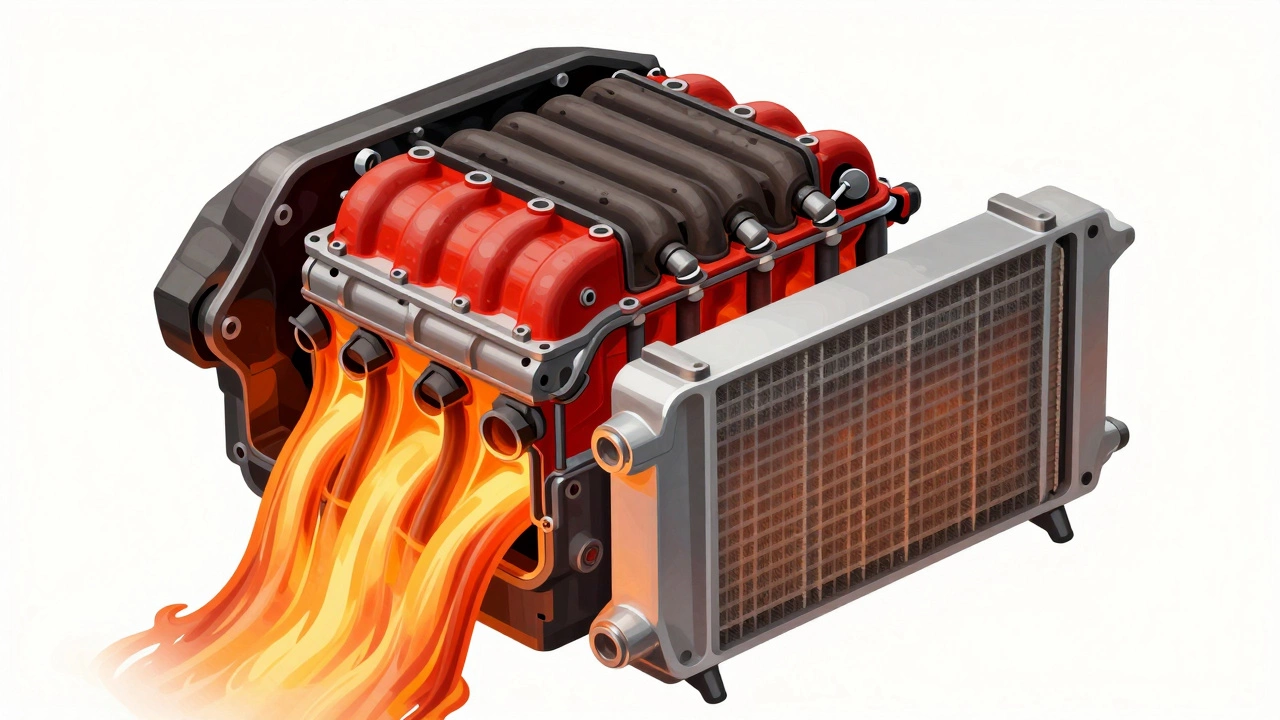
If any part of this loop fails, the entire system breaks down. A bad radiator usually means it can’t transfer heat efficiently anymore, causing the coolant to stay too hot.
Signs Your Radiator Is Failing
You won’t always see smoke billowing from under the hood immediately. Often, the signs are subtle at first. Ignoring these early warnings is what turns a $150 repair into a $3,000 engine rebuild. Here are the most common indicators that your radiator is struggling:
- Overheating Warning Light: This is the most obvious sign. If your dashboard shows a thermometer icon or the word "HOT," pull over immediately. Do not ignore this light.
- Visible Leaks: Look under your car after parking. Puddles of green, orange, pink, or red fluid indicate a leak. Coolant has a distinct sweet smell. If you notice this scent inside your cabin, check for leaks around the firewall.
- Discolored Coolant: Healthy coolant should be clear and bright. If it looks rusty, muddy, or has oil mixed in (looking like chocolate milk), your radiator or head gasket may be compromised.
- Sludge Buildup: Over time, corrosion can build up inside the radiator tubes. This restricts flow and reduces cooling efficiency. You might see sludge when you top off the reservoir.
- Fan Not Working: If the electric fan doesn’t kick on when the car is idling, your radiator can’t cool itself effectively in traffic.
How Long Can You Drive With a Bad Radiator?
This is the question everyone wants answered, and the honest truth is: it depends on the severity of the failure. There is no single number of miles that applies to every car. However, we can categorize failures into three levels to give you a realistic expectation.
| Condition | Symptoms | Safe Driving Time | Risk Level |
|---|---|---|---|
| Mild Leak / Low Coolant | Slight temp rise, occasional topping up needed | Short trips only (under 10 miles) | Medium |
| Clogged / Reduced Efficiency | Temp gauge climbs in traffic, normal on highway | Avoid stop-and-go traffic; max 20-30 mins | High |
| Major Leak / No Coolant | Rapid overheating, steam, warning lights | Do not drive. Tow immediately. | Critical |
If you have a minor leak, you might be able to drive to a mechanic if you keep an eye on the temperature gauge. But if the radiator is completely dry or blocked, driving more than a mile can cause irreversible damage. Modern engines run hotter and tighter than older models, making them less forgiving of cooling issues.
What Happens If You Ignore It?
Driving with a bad radiator isn’t just risky; it’s expensive. Here’s the cascade of failures that occurs when your engine overheats:
- Warped Cylinder Heads: Excessive heat causes aluminum heads to bend. This ruins the seal between the head and the engine block, leading to compression loss and further overheating.
- Blown Head Gasket: The gasket seals the cylinders. When it blows, coolant mixes with oil, and exhaust gases enter the cooling system. Repairing this requires removing the cylinder head, which is labor-intensive.
- Cracked Engine Block: In extreme cases, the engine block itself can crack. This is usually a death sentence for the engine, requiring a complete replacement or swap.
- Seized Engine: Metal expands when hot. If pistons expand too much, they can fuse to the cylinder walls, locking the engine in place. The car will stop dead and never start again without major surgery.
The cost of replacing a radiator typically ranges from $300 to $800, including labor. Replacing a blown head gasket can cost $1,500 to $3,000. Replacing an engine? That’s often $4,000+. It’s a simple math problem: fix the radiator now, or pay triple later.
Immediate Steps to Take If You Suspect Radiator Failure
If you notice signs of radiator trouble while driving, don’t panic, but act quickly. Here is a step-by-step protocol to minimize damage:
- Turn Off the Air Conditioning: The AC adds significant heat load to the engine. Turning it off reduces strain on the cooling system.
- Turn On the Heater: Sounds counterintuitive, but running your heater full blast pulls heat away from the engine and into the cabin. It acts as a secondary radiator.
- Pull Over Safely: Find a level spot away from traffic. Do not continue driving if the temperature gauge is in the red zone.
- Let the Engine Cool: Wait at least 15-30 minutes before opening the hood. Never open the radiator cap while the engine is hot. Pressurized steam can cause severe burns.
- Check Coolant Levels: Once cool, check the overflow reservoir. If it’s empty, add water or coolant if available. Do not force the cap if it’s stuck.
- Tow to a Mechanic: If you’ve added coolant but the issue persists, or if you see visible leaks, call for a tow. Driving further risks destroying the engine.

Prevention and Maintenance Tips
Most radiator failures aren’t sudden; they’re the result of neglect. Regular maintenance can extend the life of your cooling system by years. Here’s how to keep things running smoothly:
- Flush and Replace Coolant: Follow your manufacturer’s schedule, typically every 30,000 to 60,000 miles. Old coolant loses its anti-corrosion properties and becomes acidic, eating away at the radiator from the inside.
- Inspect Hoses Annually: Squeeze your hoses gently. They should be firm but slightly flexible. Cracks, bulges, or soft spots indicate impending failure.
- Check the Thermostat: A stuck thermostat can cause overheating just like a bad radiator. If your engine takes forever to warm up or runs hot constantly, the thermostat might be faulty.
- Keep the Radiator Clean: Debris like leaves, bugs, and dirt can clog the radiator fins. Use compressed air or a gentle hose spray to clean the front of the radiator periodically.
- Monitor Temperature Gauges: Don’t wait for the warning light. Keep an eye on your temperature needle during daily drives. Consistent readings above normal range are a red flag.
When to Replace vs. Repair
In some cases, a small leak can be patched temporarily using radiator sealants found at auto parts stores. However, these are just band-aids. Sealants can clog narrow passages in the engine block and radiator, causing more problems down the line. They should only be used as an emergency measure to get you to a shop.
If your radiator is corroded, cracked, or has been leaking for more than a week, replacement is the only reliable solution. Modern radiators are made from aluminum, which is lightweight but difficult to repair once damaged. Unlike older copper-brass radiators, aluminum units cannot be easily soldered. Replacement ensures proper heat exchange and prevents future failures.
Can I drive my car with a broken radiator for a short distance?
Only if the leak is very minor and the temperature remains stable. Even then, limit your drive to under 10 miles and avoid high speeds or heavy loads. If the temperature rises above normal, stop immediately to prevent engine damage.
What does a bad radiator sound like?
A failing radiator itself doesn’t make noise, but related issues do. You might hear a gurgling or bubbling sound from the coolant reservoir, indicating air pockets due to low coolant. A whining noise could mean the water pump is failing, which often accompanies radiator issues.
Is it safe to add water to a car with a bad radiator?
In an emergency, yes. Water is better than nothing to prevent immediate overheating. However, plain water lacks corrosion inhibitors and can lead to rust buildup. Always replace it with proper coolant mixture as soon as possible.
How much does it cost to replace a car radiator?
Costs vary by vehicle make and model. Generally, expect to pay between $300 and $800 for parts and labor. Luxury vehicles or those with complex cooling systems may cost upwards of $1,000. Always get multiple quotes from reputable mechanics.
Can a bad radiator cause other engine problems?
Yes. Overheating caused by a bad radiator can lead to warped cylinder heads, blown head gaskets, cracked engine blocks, and seized pistons. These are severe mechanical failures that require extensive and expensive repairs.