Fuel System Symptom Diagnostic Tool
Select the symptoms you are experiencing to narrow down the likely cause. Remember: This tool is for informational purposes only. Always verify with a professional mechanic or OBDII scanner.
You’re driving along, maybe heading to work or picking up the kids, and suddenly your car starts sputtering. It feels like it’s running out of breath. The engine hesitates when you press the gas pedal, or worse, it just dies on you. Your first thought? "The fuel pump is dead." It’s a common assumption because a failing fuel pump is a critical component that delivers gasoline from the tank to the engine at high pressure can cause exactly these kinds of dramatic failures. But here’s the twist: in many cases, the fuel pump is perfectly fine. Several other parts fail in ways that look identical, leading drivers to spend hundreds of pounds replacing a part that didn’t need changing.
The Symptom Trap: Why Diagnosis Is Hard
Why do so many parts mimic a bad fuel pump? Because they all disrupt the delicate balance of air and fuel required for combustion. If the mixture is wrong-too lean (not enough fuel) or too rich (too much fuel)-the engine misfires, stalls, or loses power. A bad fuel pump causes low pressure, which leads to a lean condition. But so does a clogged filter, a leaky injector, or a faulty sensor sending bad data to the computer. Without proper testing equipment, you’re essentially guessing. And guessing with modern cars is expensive.
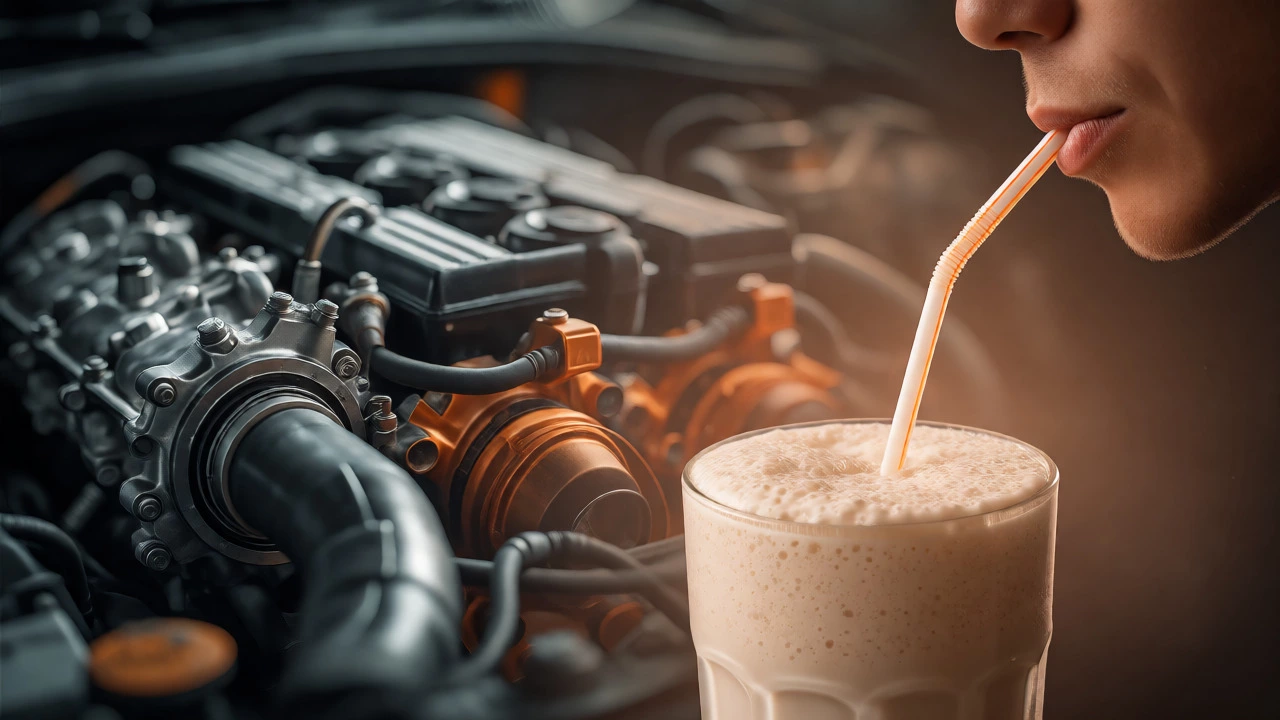
Think of your engine like a person trying to drink a thick milkshake through a thin straw. If the straw is blocked (clogged filter), if the cup is empty (low fuel level), or if you don’t suck hard enough (weak pump), the result is the same: no shake in your mouth. You have to check each variable individually.
Clogged Fuel Filter: The Most Common Impostor
The fuel filter is a small cartridge designed to trap dirt, rust, and debris before they reach the injectors. Over time, especially if you buy gas from older stations with underground tanks that might be rusty, this filter gets saturated. When it’s partially blocked, it restricts flow. At idle, you might not notice much. But when you accelerate hard or drive uphill, the engine demands more fuel than the restricted filter can supply. The car bogs down, jerks, or stalls.
Here’s how to tell the difference between a clogged filter and a dying pump: check the pressure at idle versus under load. A weak pump often struggles to build initial pressure. A clogged filter usually allows normal pressure at idle but drops significantly when you open the throttle. If your car has an external inline filter (common in older vehicles), replacing it costs £15-£30. That’s a cheap test compared to a £150+ pump replacement.
| Symptom | Bad Fuel Pump | Clogged Fuel Filter | Faulty Ignition Coil | Dirty MAF Sensor |
|---|---|---|---|---|
| Engine Noise | Whining/humming from tank | None | Ticking/clicking | None |
| Starting Issue | Long crank, no start | Slow start, then runs rough | Misfire, hard start | Rough idle, stalling |
| Acceleration | Hesitation, loss of power | Bogging down under load | Jerking during acceleration | Surging, poor response |
| Check Engine Light | P0087 (Low Pressure) | P0171/P0174 (Lean Mix) | P0300-P0306 (Misfire) | P0100-P0103 (MAF Circuit) |
Fuel Pressure Regulator: The Silent Saboteur
Many people forget the fuel pressure regulator exists. This small valve maintains constant fuel pressure regardless of engine vacuum changes. If its diaphragm ruptures, fuel leaks into the intake manifold instead of staying in the rail. The result? Low fuel pressure. The symptoms are nearly identical to a weak pump: hard starting, rough idle, and black smoke from the exhaust (because raw fuel is being sucked into the engine).
A quick way to spot this: pull the vacuum hose off the regulator while the engine is running. If fuel drips or sprays out, the diaphragm is blown. Another sign is smelling raw petrol inside the cabin or around the engine bay after shutting off the car. Replacing a regulator is often cheaper and easier than dropping the fuel tank to access the pump assembly.
Ignition System Failures: Spark vs. Fuel
This is where things get tricky. A failing ignition coil prevents the spark plug from firing correctly, causing one or more cylinders to stop working. When a cylinder misfires, the engine shakes violently. To a driver, this feels like the car is "missing" or losing power, which sounds a lot like fuel starvation. However, there’s a key difference: an ignition problem usually happens randomly or worsens with moisture (rain, washing the engine). A fuel problem tends to correlate with heat soak (car won’t start when hot) or specific RPM ranges.
If you suspect ignition issues, swap coils between cylinders. If the misfire moves with the coil, you’ve found the culprit. No need to touch the fuel system yet. Ignition coils cost £20-£50 each, making them another affordable diagnostic step before condemning the fuel pump.
Mass Air Flow (MAF) Sensor: The Computer’s Eyes
Your engine control unit (ECU) decides how much fuel to inject based on how much air enters the engine. The mass air flow (MAF) sensor measures the volume and temperature of incoming air. If it gets dirty or fails, it sends incorrect data. For example, if it reports less air than is actually entering, the ECU injects less fuel, creating a lean condition. The car will stall, hesitate, or run poorly-just like a bad pump.
Unlike mechanical parts, a MAF sensor doesn’t wear out physically; it gets contaminated by oil residue from aftermarket air filters or dust. Cleaning it with specialized MAF cleaner spray (do not use brake cleaner!) often solves the problem for under £10. If cleaning doesn’t help, replacement sensors range from £40 to £100 depending on the vehicle make.
Vacuum Leaks: The Invisible Enemy
Air should only enter the engine through the throttle body. A vacuum leak occurs when unmetered air sneaks into the intake manifold through cracked hoses or gaskets. This extra air leans out the fuel mixture. Since the ECU doesn’t know about this uncounted air, it doesn’t add extra fuel. The result is a rough idle, high idle speed, and stalling when coming to a stop. These symptoms closely mimic a weak fuel pump struggling to maintain pressure at low RPMs.
Detecting a vacuum leak requires patience. Spray carburetor cleaner or propane around intake manifold gaskets and vacuum lines while the engine idles. If the RPMs change or the engine smooths out, you’ve found the leak. Fixing a rubber hose costs pennies; fixing a warped intake manifold gasket might cost £50-£100 in parts plus labour.
How to Diagnose Properly Before Buying Parts
Don’t guess. Use a systematic approach:
- Listen: Turn the key to the "on" position without starting the engine. You should hear a brief hum from the rear seat/tank area. Silence suggests an electrical issue (relay/fuse) or a dead pump.
- Scan: Plug in an OBDII scanner. Look for codes related to fuel trim (P0171/P0174 indicate lean mixtures) or specific fuel pressure codes (P0087).
- Test Pressure: Attach a fuel pressure gauge to the Schrader valve on the fuel rail. Compare readings to your manufacturer’s specs. Low pressure points to pump, filter, or regulator. Normal pressure rules out the pump as the primary cause of lean conditions.
- Inspect Wiring: Check the fuel pump relay and fuse. Corroded connectors can cause intermittent power loss to the pump, mimicking mechanical failure.
When It Actually Is the Fuel Pump
Sometimes, it really is the pump. Signs include a loud whining noise from the tank that gets louder as the fuel level drops (less fuel means less cooling for the pump). Also, if the car starts fine when cold but dies repeatedly once it reaches operating temperature, the pump’s internal motor may be overheating and cutting out. This thermal failure is unique to electric pumps and rarely mimicked by other components.
Can a bad fuel pump cause my car to overheat?
Not directly. A bad fuel pump affects performance and drivability, not cooling. However, if the engine runs lean due to low fuel pressure, it can run hotter than normal because the fuel helps cool the combustion chamber. But if your temperature gauge spikes, check the thermostat, water pump, or coolant level first.
How long do fuel pumps typically last?
Most modern electric fuel pumps are designed to last between 100,000 and 150,000 miles. However, keeping your tank above a quarter full helps extend their life because the surrounding fuel cools the pump motor and prevents sediment from clogging the strainer.
Is it safe to drive with a bad fuel pump?
It depends on the severity. If the car still drives smoothly, you might manage for a short trip. But if it sputters or stalls, avoid highway driving. Sudden loss of power in traffic is dangerous. Additionally, a failing pump can send metal shavings into the fuel lines, potentially damaging injectors and turning a £150 repair into a £600 one.
Can a clogged catalytic converter mimic a bad fuel pump?
Yes. A severely clogged cat restricts exhaust flow, causing backpressure. This chokes the engine, leading to significant power loss and hesitation, especially under acceleration. While the symptoms feel similar to fuel starvation, a clogged cat often triggers oxygen sensor codes rather than fuel pressure codes.
Does ethanol in fuel damage fuel pumps?
Ethanol is hygroscopic, meaning it absorbs water. Water causes corrosion inside the pump and tank. High-ethanol blends (like E10 or E85) can degrade older rubber seals and plastic components in fuel systems not designed for them, potentially shortening pump lifespan if maintenance is neglected.