
When it comes to your car, tire safety, the practice of maintaining tires to ensure optimal grip, handling, and braking performance. Also known as roadworthiness, it's the one thing that keeps your car connected to the pavement—and your family safe. A worn, underinflated, or damaged tire doesn’t just reduce fuel economy—it can cause a blowout, loss of control, or a crash, even at low speeds. You don’t need to be a mechanic to check it. You just need to know what to look for.
Tire safety isn’t a one-time check. It’s a habit. tire pressure, the amount of air inside your tire measured in PSI drops naturally over time, especially in cold weather. Most cars need between 30 and 35 PSI, but your exact number is on the sticker inside the driver’s door. Drive with low pressure and your tires wear unevenly, overheat, and fail faster. Too much pressure? You lose traction and get a harsh ride. tire wear, how your tread wears down over miles tells you if your alignment is off, if you’re overloading the car, or if your shocks are worn. Look for bald spots, cupping, or one-sided wear. If you can see the wear bars—those little ridges between the treads—it’s time to replace them. No, you can’t wait until the tread is completely gone.
And don’t forget the basics: tire inspection, visually checking your tires for cuts, bulges, or embedded objects every time you fill up. A nail might not leak right away, but it will eventually. A bulge on the sidewall means internal damage—you can’t fix it. And don’t trust the mileage on your tires. Even if they look fine, rubber hardens after six years, no matter how little you’ve driven. That’s why many experts say to replace tires after six years, even if the tread looks good.
What you find in these posts isn’t theory. It’s what real drivers in Northwich and beyond have learned the hard way. You’ll read about how a simple check of tire pressure saved someone from a skid on wet roads. You’ll see what happens when people ignore uneven wear. You’ll learn why buying the cheapest tire isn’t always cheaper in the long run. And you’ll get clear, no-fluff advice on when to replace, how to check, and what to watch for between services. This isn’t about scaring you. It’s about giving you the tools to drive with confidence—every single day.
 14 November 2025
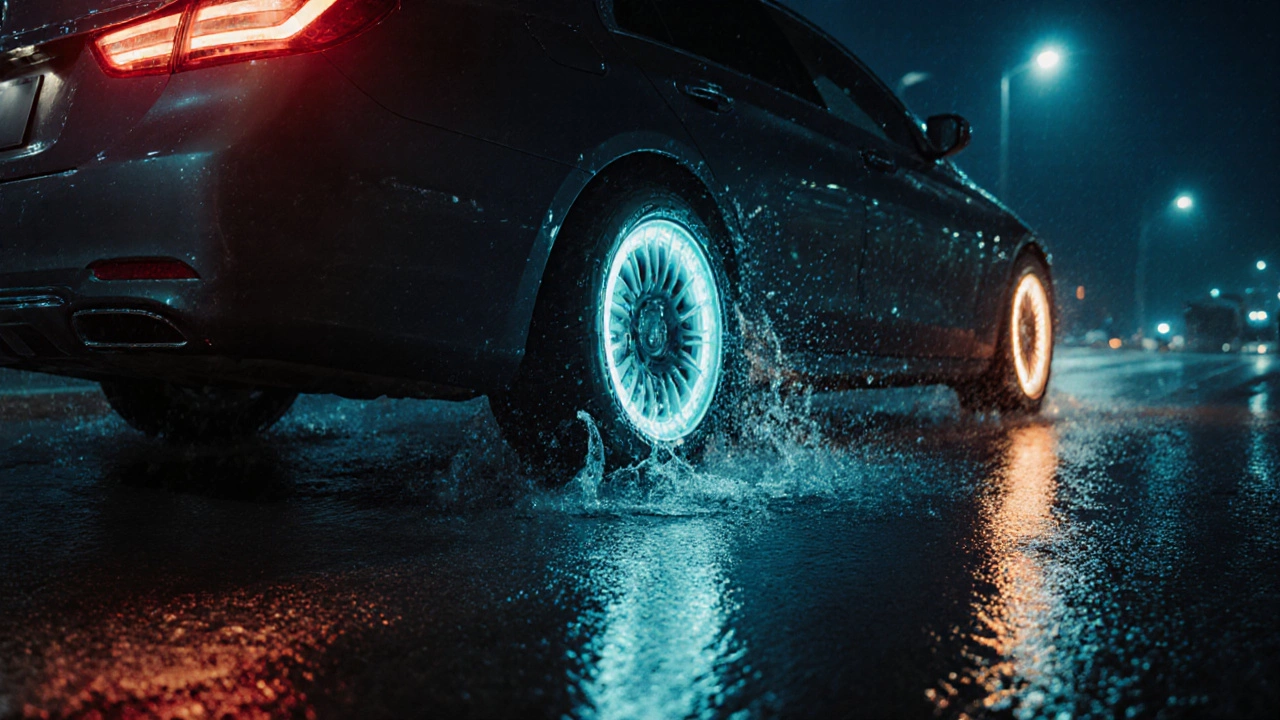
Replacing only one or two tires can be dangerous. Mechanics recommend replacing all four for safety, performance, and to protect your vehicle's drivetrain. Learn when and why you need a full set.

©2026 northwichtyrescentre.co.uk. All rights reserved
0