
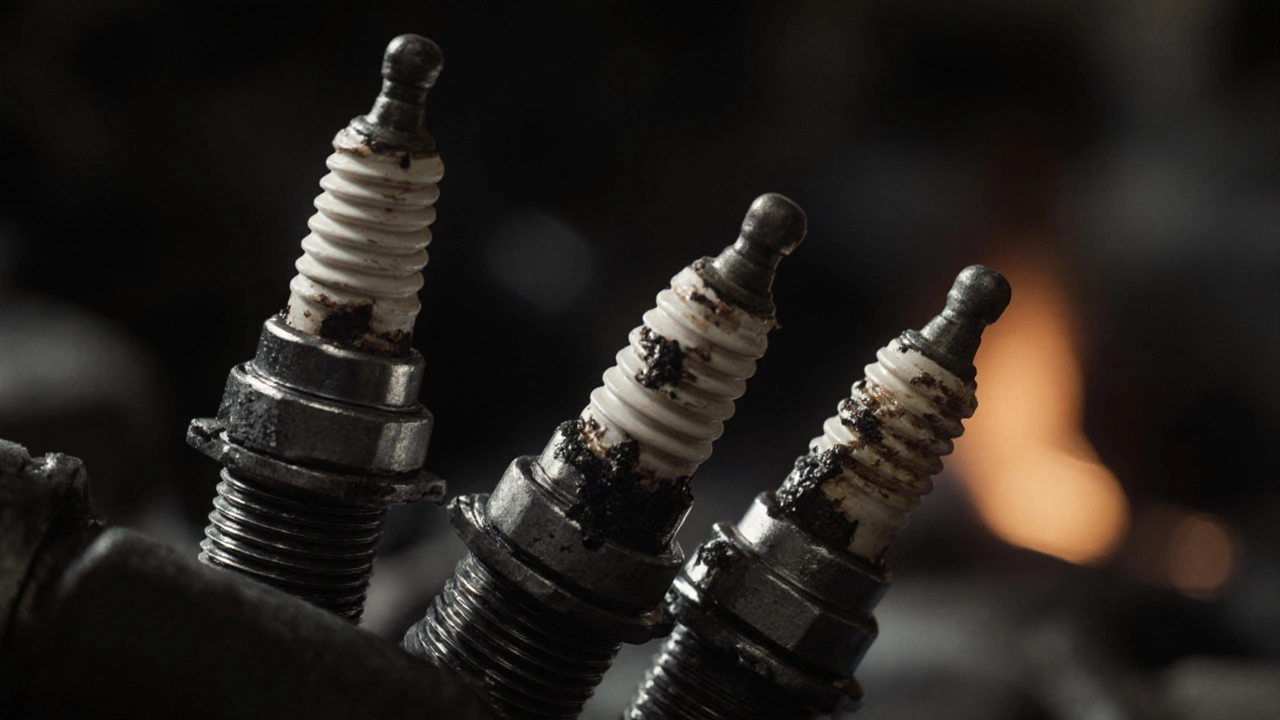
When your engine misfires, sputters, or struggles to start, the problem might not be your battery or fuel pump—it could be your spark plugs, small but critical components that ignite the fuel-air mixture in your engine’s cylinders. Also known as ignition plugs, they’re the reason your car starts and runs smoothly. Over time, these tiny parts wear out, and skipping a spark plug change can cost you fuel, power, and even engine health.
A spark plug, a high-voltage electrical device that creates a spark to ignite fuel in the combustion chamber doesn’t last forever. Most last between 30,000 and 100,000 miles, depending on the type. Standard copper plugs wear out faster, while iridium or platinum ones last longer and deliver better performance. If your car feels sluggish, hesitates when accelerating, or has poor fuel economy, worn spark plugs could be the culprit. You don’t need a garage full of tools to check them—just a spark plug socket and a little patience. Many drivers wait until the engine light comes on, but by then, damage might already be done.
The spark plug type, the specific design and material of a spark plug that affects ignition efficiency, heat dissipation, and engine response matters more than you think. Using the wrong one can cause overheating, misfires, or even piston damage. Your owner’s manual tells you what to use—but if you’re unsure, a trusted mechanic or a quick lookup by your car’s make, model, and year will save you from costly mistakes. A spark plug replacement, the process of removing old plugs and installing new ones to restore optimal combustion isn’t just about fixing a problem—it’s about keeping your engine running like it should. It’s one of the cheapest, most effective maintenance tasks you can do.
Some people think new spark plugs will suddenly give you more horsepower. That’s not always true. But if your plugs are old or fouled, replacing them can bring back lost power, smooth out rough idling, and improve throttle response. You might not notice a dramatic boost, but you’ll feel the difference in daily driving—quieter starts, better acceleration, and fewer surprises on the road.
Below, you’ll find real-world advice from people who’ve been there. Whether you’re wondering if spark plugs really affect fuel economy, which brand works best for your car, or whether you can do the job yourself, the posts here cut through the noise. No fluff. No guesswork. Just clear, practical info to help you make the right call before your next spark plug change.
 4 January 2026
Replacing worn spark plugs restores engine responsiveness and smoothness - not by adding power, but by fixing what was broken. Here's what actually changes after a plug swap.
 10 November 2025
Changing worn spark plugs can restore engine performance, improve fuel economy by up to 8%, and prevent costly damage. Learn when it matters and what to expect after a replacement.





©2026 northwichtyrescentre.co.uk. All rights reserved
0