
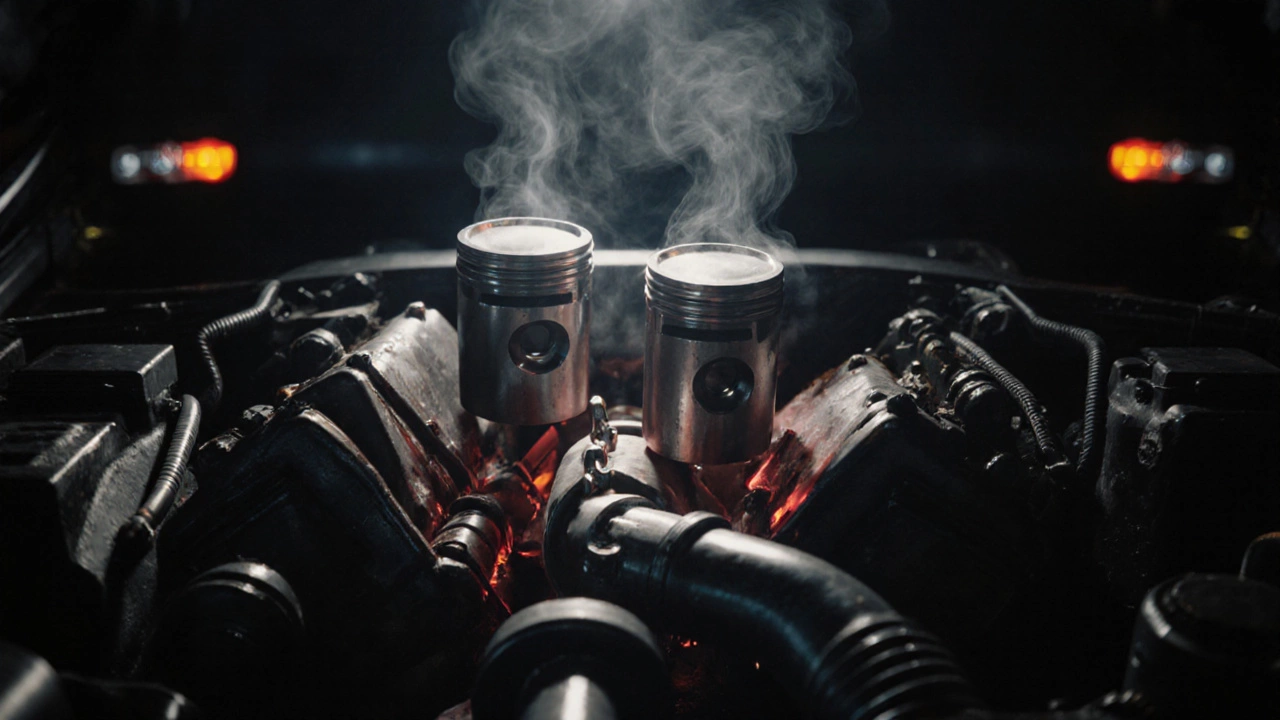
Running a car without oil, a condition where engine lubrication is lost or critically low. Also known as low engine oil, it’s one of the fastest ways to destroy an engine—sometimes in under a minute. Oil isn’t just a fluid you check once a month. It’s the lifeblood of your engine, reducing friction, cooling parts, and cleaning out debris. Without it, metal touches metal. And when that happens, things don’t just wear out—they seize.
Most drivers don’t realize how quickly things go wrong. A low engine oil, a warning state that precedes complete oil loss can cause knocking sounds, overheating, and poor acceleration. If you ignore those signs, you’re heading straight for engine damage, permanent, expensive harm to internal engine components like pistons, rods, and bearings. You might not even notice until the engine stalls—or worse, won’t start at all. The oil change symptoms, early indicators that your engine is starved of proper lubrication are loud, clear, and hard to miss: a burning smell, dashboard warning lights, or a rattling noise under the hood. These aren’t "maybe" problems. They’re emergency signals.
It’s not just about mileage or time. Some people drive for weeks without checking oil, assuming the car will tell them. But by the time the light comes on, it’s often too late. A car without oil doesn’t give you a second chance. The damage is already done. That’s why regular checks matter—not because it’s a rule, but because it’s the only thing standing between you and a $5,000 engine replacement. The posts below cover real cases, warning signs you can’t ignore, and what mechanics actually do when they see a car that’s been run dry. You’ll learn how to spot trouble before it costs you everything.
 16 November 2025
A car can run without oil for less than five minutes before catastrophic engine failure. Learn how quickly damage occurs, why modern engines die faster, and how to prevent this costly mistake.




©2026 northwichtyrescentre.co.uk. All rights reserved
0