Exhaust System Selector
Answer these questions to find the best exhaust configuration for your vehicle.
Recommendation Score:
A+Why this choice?
Potential Trade-offs
There is a specific sound every car enthusiast knows. It’s that low, throaty rumble of a well-tuned engine, or perhaps the aggressive crackle of a high-performance setup. But here’s the cold water splash: picking an exhaust system isn’t just about chasing decibels. If you choose wrong, you don’t get a sportier drive; you get a drone that makes your ears ring on the motorway, a check-engine light that won’t quit, or worse, a failed MOT test because the emissions aren’t up to scratch.
You’re probably staring at a list of parts online right now, confused by terms like "cat-back," "turbo-back," and "resonator delete." You want more power, maybe a bit of noise, but you definitely don’t want to waste hundreds of pounds on something that doesn’t fit your daily commute. Let’s cut through the marketing fluff. This guide breaks down exactly how to match an exhaust to your car, your driving style, and your local regulations.
Understand What Your Exhaust Actually Does
Before you buy anything, you need to know what you’re replacing. An exhaust system is not just a pipe. It’s a complex network designed to manage gas flow, reduce noise, and clean emissions. Think of it as the lungs of your car. If the lungs are blocked, the engine can’t breathe. If they’re too open, the engine loses back-pressure needed for low-end torque.
Most modern cars use a standard layout consisting of several key components:
- Manifold: The first point of exit from the engine cylinders. Often made of cast iron or stainless steel headers.
- Catalytic Converter: Contains precious metals like platinum and palladium to convert harmful gases into less toxic ones. Removing this usually fails emissions tests.
- Resonator: A hollow chamber that cancels out specific frequencies of sound, smoothing out the tone without significantly reducing volume.
- Muffler: Uses baffles and chambers to absorb sound energy, making the exhaust quieter.
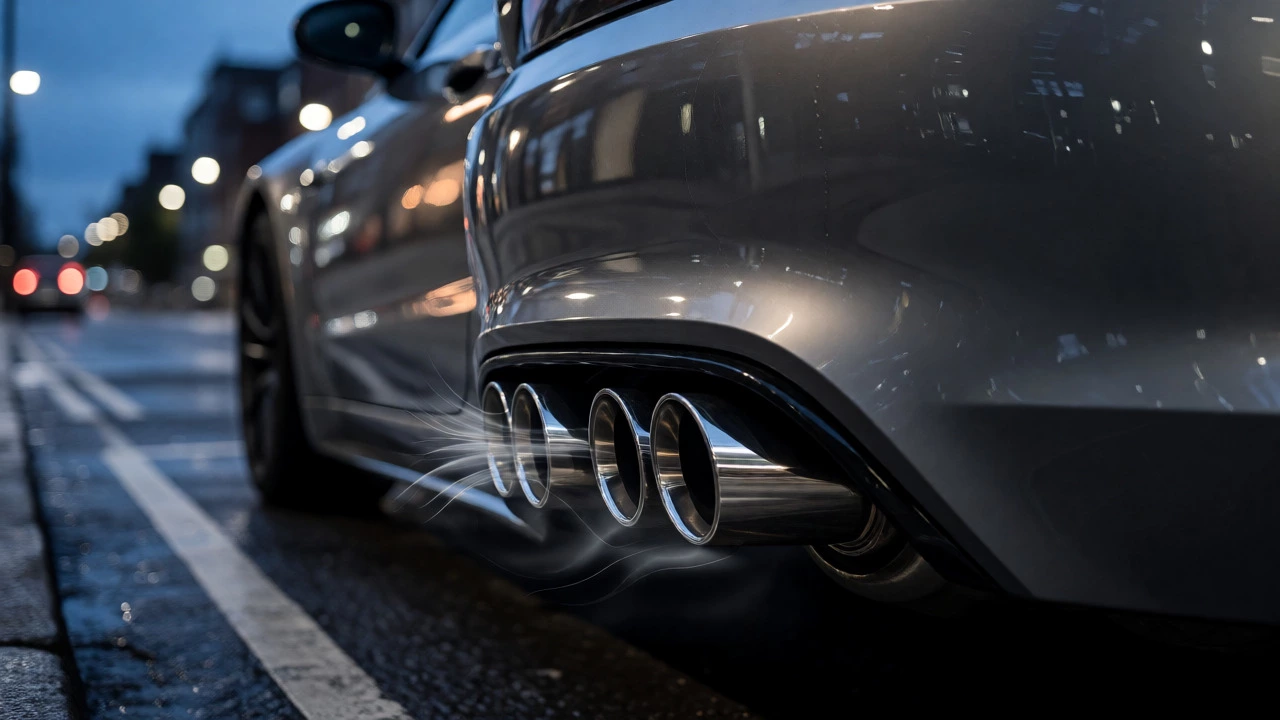
- Tailpipes: The final visible pipes that exit the rear bumper.
When you shop, you’ll see kits sold as "Axle-Back" or "Cat-Back." Axle-back replaces everything behind the rear axle (usually just the muffler and tailpipes). Cat-back replaces everything from the catalytic converter backward. Knowing where your current system starts and ends is step one.
Decide Your Primary Goal: Power, Sound, or Style?
You can’t have it all equally. There’s always a trade-off. Be honest with yourself about why you want a new exhaust.
Chasing Performance Gains
If you want more horsepower, you need better flow. Stock exhausts are often restrictive, using thin pipes and dense mufflers to keep noise down for mass-market comfort. Aftermarket systems use larger diameter pipes-typically increasing from 2 inches to 2.5 or 3 inches-to let exhaust gases escape faster.
However, bigger isn’t always better. If you go too big, you lose back-pressure, which is the resistance created by the exhaust system. While we used to think back-pressure was bad, modern tuning shows that some resistance helps maintain low-end torque, especially in naturally aspirated engines. For turbocharged cars, though, less restriction is generally better because the turbo relies on rapid gas flow to spool up.
Hunting for the Perfect Sound
Sound is subjective. One person loves a deep bass note; another hates any drone above 3,000 RPM. Most aftermarket exhausts aim for a deeper tone, but the quality depends on the design.
A straight-through muffler will be loud and raspy. A chambered muffler tends to produce a deeper, smoother growl. If you hate cabin drone-that annoying hum inside the car when cruising-look for systems that include a high-quality resonator or a dual-path design. Avoid cheap "glasspack" style mufflers if you drive long distances; they tend to sound tinny and harsh over time.
Looking Good
Sometimes, you just want the car to look meaner. Quad tips, polished stainless steel, or black ceramic coatings can transform the rear end. Just ensure the aesthetic upgrade doesn’t compromise ground clearance. A massive diffuser or oversized tips can scrape on speed bumps, especially on lowered vehicles.
Material Matters: Steel vs. Stainless vs. Titanium
The material dictates longevity, weight, and cost. Here’s the breakdown:
| Material | Pros | Cons | Best For |
|---|---|---|---|
| Aluminized Steel | Cheap, decent initial rust resistance. | Rusts quickly in wet climates; shorter lifespan. | Budget builds, dry climates. |
| Stainless Steel (T304) | Highly corrosion-resistant, durable, good sound quality. | More expensive than aluminized; heavier than titanium. | Daily drivers, UK weather conditions. |
| Titanium | Extremely lightweight, unique blue/purple heat discoloration. | Very expensive, brittle if struck, difficult to weld. | Track cars, luxury sports cars. |
Living in the UK, I’d strongly recommend T304 stainless steel. Aluminized steel might save you £50 today, but it will likely rot within two years due to road salt and rain. Stainless steel lasts a decade or more. Titanium is cool, but unless you’re racing, the weight savings (maybe 10-15kg) won’t be noticeable in daily traffic.
Navigating Legalities and MOT Tests
This is where many DIYers get burned. In the UK, your exhaust must meet strict noise and emission standards. The MOT test checks for excessive smoke, leaks, and structural integrity. More importantly, police can fine you for an exhaust deemed "too loud" under the Road Vehicles Lighting Regulations and Construction & Use Regulations.
There is no single decibel limit for all cars; it depends on the vehicle’s original certification. However, a general rule of thumb: if your exhaust sounds like a lawnmower or causes people to turn their heads in annoyance, it’s risky. A subtle increase in volume is usually fine. A "loud bang on over-run" might pass inspection but annoy neighbors enough to trigger a complaint.
Also, never remove the catalytic converter unless you have a race-only vehicle. Doing so triggers error codes, fails emissions tests, and can result in a fixed penalty notice. If you want performance, look for "high-flow" cats rather than deleting them entirely.
Installation: DIY or Professional?
Can you do it yourself? Yes, if you have basic tools. Most cat-back systems bolt on. You’ll need a jack, stands, wrenches, and possibly a reciprocating saw to cut old clamps. Penetrating oil like WD-40 is essential because bolts seize over time.
But consider these pitfalls:
- Clearance Issues: Aftermarket pipes sometimes hit fuel lines or suspension components. Always test-fit before tightening bolts fully.
- Gasket Replacement: Never reuse old gaskets. They leak exhaust fumes into the cabin, which is dangerous and smells awful.
- Warranty: Some manufacturers require professional installation to validate the warranty. Check the fine print.
If you’re unsure, pay a specialist. A proper install takes 2-3 hours. A botched job leads to rattles, leaks, and potential damage to sensitive sensors like the O2 sensor.
Top Mistakes to Avoid When Buying
I’ve seen buyers make the same errors repeatedly. Don’t fall into these traps:
- Ignoring Fitment Data: Just because it fits a Golf GTI doesn’t mean it fits your Golf R. Engine variants matter. Always cross-reference your VIN or exact model year.
- Buying Cheap Imports: Unbranded exhausts from online marketplaces often have poor welds and inconsistent pipe diameters. They may also lack proper hangers, leading to sagging and eventual breakage.
- Forgetting the ECU Tune: On some modern cars, simply changing the exhaust won’t yield power gains. The engine computer needs to adjust fuel mapping to account for increased airflow. Without a tune, you might actually lose power at lower RPMs.
Frequently Asked Questions
Will a louder exhaust void my warranty?
Not automatically. Under the Magnuson-Moss Warranty Act (in the US) and similar consumer rights laws in the UK/EU, a manufacturer cannot void your entire warranty just because you modified an aftermarket part. However, if the modification directly caused a failure (e.g., a leaking exhaust damaged an oxygen sensor), they can deny coverage for that specific repair. Keep receipts and ensure the work was done professionally.
Does removing the resonator make the car faster?
Marginally, yes. The resonator adds slight restriction. Removing it improves flow slightly, potentially freeing up 2-5 horsepower. However, it also increases noise significantly and can introduce unpleasant drone frequencies. Most enthusiasts prefer keeping the resonator for a cleaner sound profile unless they are building a dedicated track car.
What is the difference between straight-pipe and cat-back?
A straight-pipe system removes all restrictions, including the catalytic converter and muffler, resulting in maximum flow and maximum noise. It is rarely street-legal. A cat-back system retains the factory catalytic converter (for emissions compliance) but replaces the piping, resonators, and mufflers behind it. This offers a balance of improved sound, moderate performance gains, and legal compliance.
Why does my new exhaust smell bad?
New exhausts often have protective oils or coatings applied during manufacturing. These burn off during the first few drives, creating a temporary burning smell. This is normal. If the smell persists after several hundred miles, check for leaks where exhaust gases might be entering the cabin through seals or floor holes.
Is stainless steel worth the extra cost?
In regions with harsh winters or coastal air, absolutely. Aluminized steel corrodes rapidly once the coating chips. Stainless steel resists rust far better, maintaining both appearance and structural integrity for years. Over a 5-year ownership period, stainless is often cheaper than replacing multiple aluminized systems.