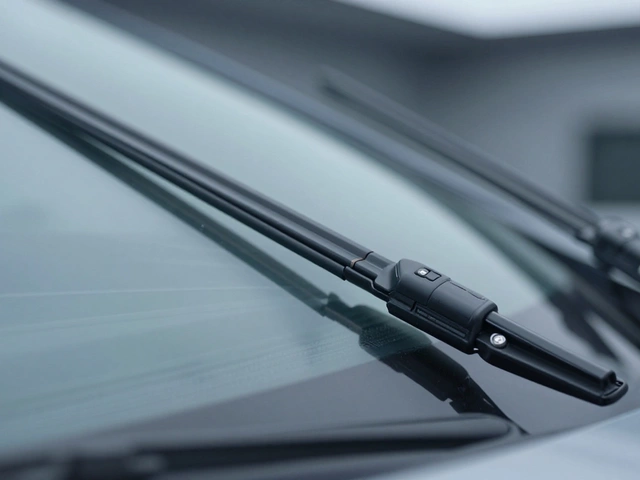
Wiper Connector & Size Identifier
If you are unsure of your make or want to verify visually, click the connector that matches your current blade attachment.
Your Wiper Specifications
Measure the rubber part of the blade only. Common front sizes are 16"–28".
Pro Tip: Beam vs. Conventional
You’re standing in the aisle of an auto parts store, staring at a wall of windscreen wipers. There are dozens of boxes, each with different sizes, shapes, and confusing jargon like "hook," "bayonet," or "U-hook." You grab one that looks right, only to realize at home it doesn’t fit your car. It happens more often than you’d think. But finding the correct windscreen wipers isn’t actually rocket science-it just requires knowing where to look and what to measure.
Getting the wrong wipers is annoying, but getting the *right* ones means clear visibility during rain, snow, or road spray. Clear vision saves lives. So let’s cut through the noise and figure out exactly what your car needs, without guessing.
The Easiest Way: Use Your Vehicle’s Details
If you don’t want to crawl under your car or wrestle with old blades, this is the fastest route. Most major retailers-whether online or in-store-have a lookup tool on their website or app. You simply enter your vehicle’s year, make, model, and sometimes engine type or trim level.
This works because manufacturers keep detailed databases linking every car configuration to its specific part numbers. For example, a 2023 Toyota Camry might use a standard hook arm, while a 2015 Honda Civic could require a side-pin connector. The database handles the complexity for you.
- Year: The manufacturing year (e.g., 2024).
- Make: The brand (e.g., Ford, BMW, Tesla).
- Model: The specific car line (e.g., F-150, X5, Model Y).
- Trim/Engine: Sometimes necessary if wiper arms differ between trims.
Pro tip: If you’re buying online, check the "Fitment" guarantee. Many sites promise free returns if the part doesn’t fit, which removes the risk entirely.
Check Your Old Blades: The Label Method
Before you remove anything, look closely at the wiper blades currently on your car. Manufacturers often print the size directly on the rubber blade or the metal frame. Look for numbers followed by inches (e.g., "26"" or "28""). This tells you the length you need.
Also, note the brand name. If you have Bosch, Michelin, or Anco wipers, you can often find a compatibility chart on their website. These charts list your car model and the recommended replacement part number. This is especially helpful if your car has non-standard sizes, like some luxury vehicles or trucks with unique windshield curvatures.
If the labels are faded or missing, don’t panic. You can still measure them manually, which brings us to the next step.
Measure Manually: How to Get the Exact Size
If there’s no label, you’ll need to measure the existing blades. Grab a tape measure or a ruler. Here’s how to do it correctly:
- Lift the wiper arm: Gently lift the wiper arm away from the windshield. Be careful not to let it snap back against the glass.
- Measure the rubber: Measure the length of the rubber blade itself, not the entire metal arm. Start from the end of the blade closest to the hood/mirror to the end closest to the roof.
- Note the size: Record the measurement in inches. Common sizes range from 16 inches to 28 inches for passenger cars. Trucks might have larger front blades.
Important: Always measure both the driver-side and passenger-side blades separately. They aren’t always the same size. Some cars have a longer blade on the driver’s side for better visibility. Also, check if your car has a rear wiper (common on SUVs, hatchbacks, and vans). Rear wipers often use smaller blades (6-10 inches) and different connectors.
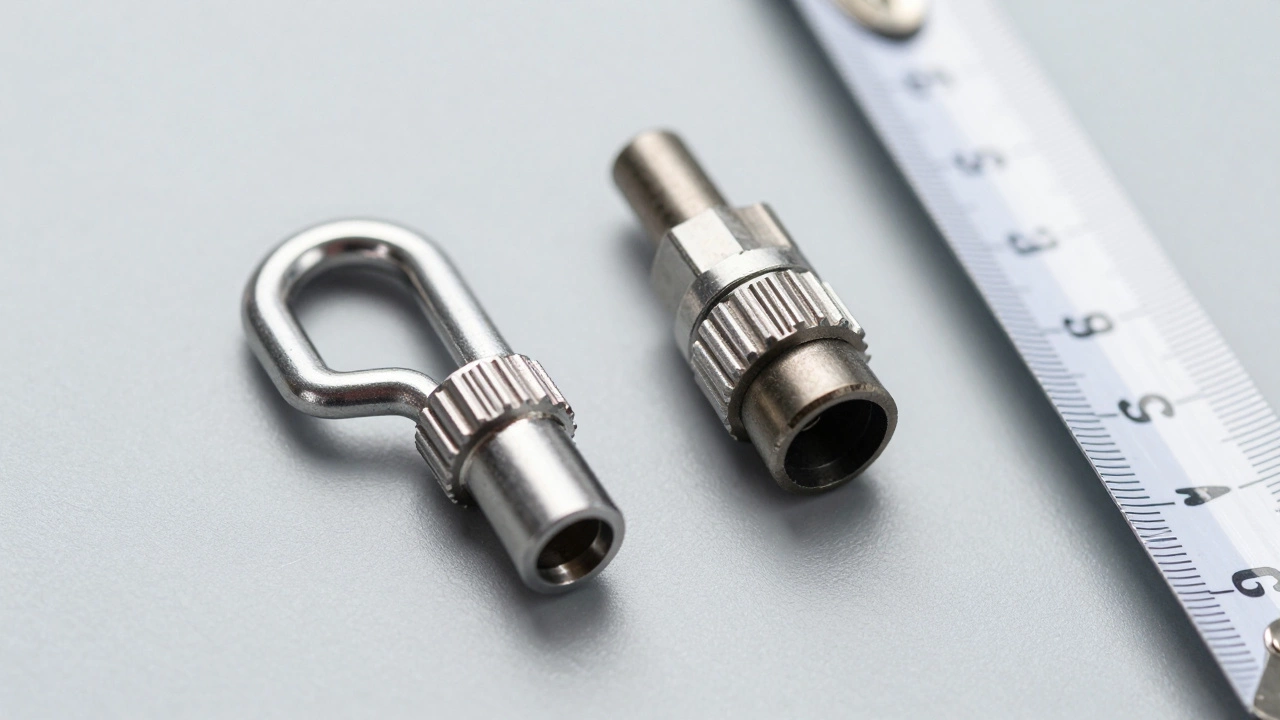
Identify the Connector Type
Knowing the size is only half the battle. The way the blade attaches to the wiper arm-the connector-is equally critical. If the connector doesn’t match, the wiper won’t stay on, or worse, it could fall off while driving.
Here are the most common connector types you’ll encounter:
| Connector Type | Description | Common Brands/Cars |
|---|---|---|
| Standard Hook (J-Hook) | A U-shaped hook that slides onto the wiper arm pin. The most universal type. | Most American, Asian, and European cars (Toyota, Ford, GM, etc.) |
| Side Pin | A small pin on the side of the wiper arm that clicks into a hole on the blade. | Honda, Nissan, Subaru, Hyundai, Kia |
| Bayonet | A twist-lock mechanism where you push and turn the blade to secure it. | Some older Mercedes-Benz, Volvo, and Chrysler models |
| Top Pin | A pin on top of the wiper arm that fits into a socket on the blade. | Older Japanese and European cars |
| Pole Mount | A specialized mount often found on premium brands. | BMW, Audi, Porsche, Land Rover |
If you’re unsure, take a photo of the connection point and show it to a store associate or upload it to a retailer’s chat support. Visual identification is often faster than guessing.
Choose Between Conventional and Beam Wipers
Once you know the size and connector, you have another choice: conventional (frame) wipers or beam wipers. Both work well, but they suit different needs.
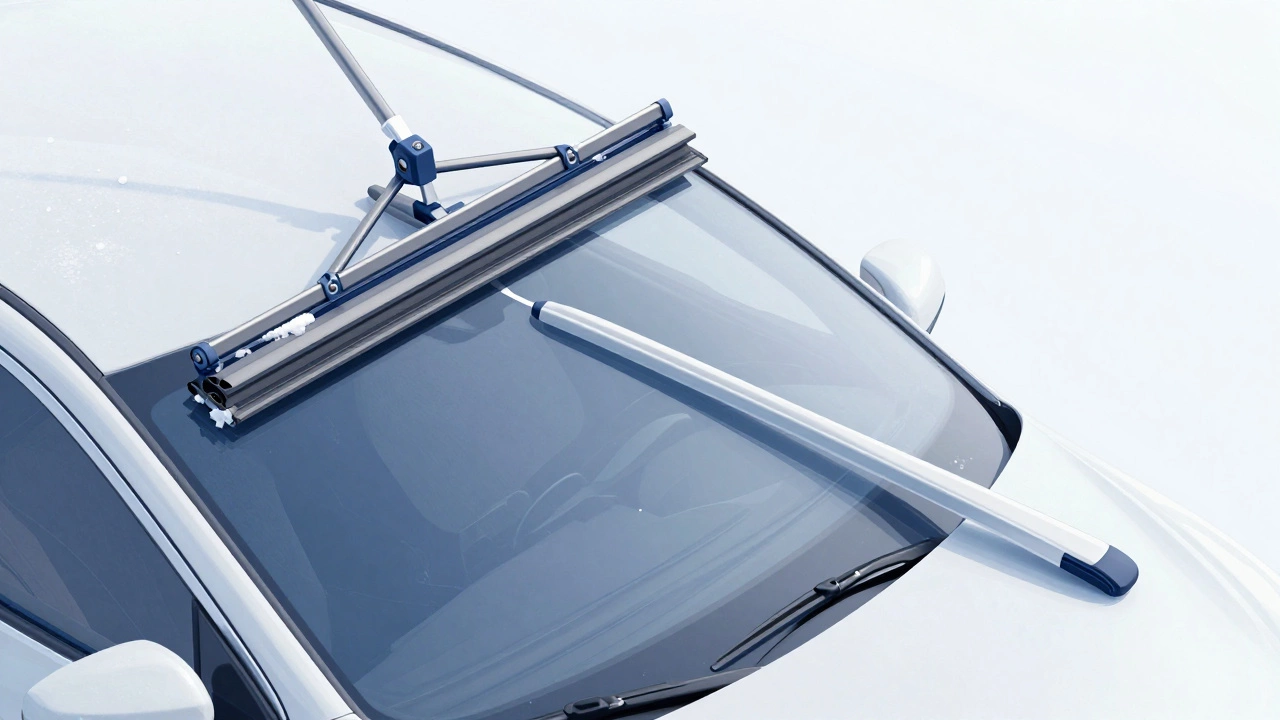
Conventional wipers have a visible metal frame with multiple joints. They’re affordable and easy to replace. However, in heavy snow, ice can build up in the joints, causing uneven wiping or skipping. They also rely on springs to press the rubber against the glass, which can wear out over time.
Beam wipers (also called flat or hybrid wipers) have a sleek, single-piece design with no exposed metal joints. They distribute pressure evenly across the blade, which means better contact with curved windshields. They’re less prone to icing up and often last longer. The trade-off? They cost slightly more, and some older cars with unusual wiper arm angles might not be compatible.
If you live in a snowy climate, beam wipers are usually the better investment. If you’re on a tight budget and live in a mild area, conventional wipers will do the job fine.
When to Replace Your Wipers
Even the best wipers don’t last forever. Rubber degrades over time due to UV exposure, heat, and ozone. Signs it’s time for new ones include:
- Streaking: Lines left on the windshield after wiping.
- Squeaking or Chattering: Noisy operation indicates worn rubber or dirty blades.
- Skip spots: Parts of the windshield aren’t being cleaned.
- Cracked or torn rubber: Visible damage to the blade edge.
A good rule of thumb is to replace wipers every 6-12 months. In harsh climates, check them every season. Don’t wait until a storm hits-you’ll be stuck guessing in the dark.
Installation Tips for a Smooth Fit
Installing new wipers is straightforward, but a few tricks make it easier:
- Protect the glass: Place a towel or cardboard under the wiper arm before lifting it. This prevents accidental drops from cracking the windshield.
- Release tension carefully: Most wiper arms have a safety clip or tab you must press to release the blade. Don’t force it.
- Align the new blade: Slide the new wiper onto the arm until it clicks securely. Give it a gentle tug to ensure it’s locked.
- Test before finishing: Lower the arm slowly and test the wipers with water to check for streaks or misalignment.
If the wiper doesn’t sit flat against the glass, double-check the connector alignment. A slight angle can cause poor performance.
Can I use any wiper size as long as it fits?
No. Using a wiper that’s too large can cause the blades to overlap when they meet in the middle, leading to premature wear or even damage to the wiper motor. Using one that’s too small leaves unwiped areas on your windshield, reducing visibility. Always stick to the manufacturer’s recommended size.
What if my car has a special wiper system?
Some luxury or high-performance cars use integrated wiper systems where the blade is part of the arm assembly. In these cases, you may need to replace the entire wiper arm or consult a dealer. Check your owner’s manual for "integrated wiper" warnings.
Do rear wipers need special attention?
Yes. Rear wipers often use different connectors and smaller sizes. They’re also more exposed to dirt and debris, so they may wear out faster. Always verify the rear wiper size separately from the front ones.
Is it safe to clean wiper blades with alcohol?
Avoid using alcohol or harsh solvents on rubber wiper blades. They can dry out the rubber, causing cracks and reduced lifespan. Instead, use mild soap and water to clean the blades and windshield regularly.
Why do my new wipers still streak?
Streaking with new wipers is often caused by a dirty windshield or oily residue. Clean the glass thoroughly with glass cleaner and a microfiber cloth before installing new blades. Also, ensure the wiper arms are adjusted correctly to maintain even pressure.