Brake Pad Health Checker
Select the symptom you are experiencing to get an immediate assessment of your brake pad condition and recommended action.
Wear Indicator Active
The high-pitched squeal is likely caused by a metal wear indicator tab touching the rotor. This happens when pad material thins to approx. 3mm.
Metal-on-Metal Contact
A grinding growl means the friction material is gone, and the metal backing plate is damaging the rotors.
Rotor Warping or Glazing
Pulsing in the pedal or steering indicates warped rotors or uneven pad wear. This can result from overheating or dragging brakes.
Air in Lines or Worn Pads
A spongy pedal suggests air in the hydraulic lines or excessive piston travel due to thin pads.
Uneven Braking Force
Pulling to one side usually indicates a stuck caliper or significantly different wear levels between left and right pads.
Electronic Sensor Triggered
Modern cars have electronic wear sensors that break a circuit at critical wear levels (< ~3mm).
Visual Thickness Guide
Use a flashlight to measure the friction material (not the metal plate):
- 10-12mm New/Like New
- 6-9mm Healthy Wear
- 3-5mm Plan Replacement
- <3mm Replace Now
You’re driving down the motorway, minding your own business, when a high-pitched squeal cuts through the cabin noise. Is it just the rain? Did you hit a pothole? Or is your car screaming at you that something’s wrong with the brake pads? Most drivers ignore these noises until the brakes start feeling spongy or the pedal hits the floor mat. That’s risky. Knowing how to spot bad brake pads early saves you from expensive rotor replacements and keeps you safe on the road.
The Sound of Trouble: What Noises Mean
Sounds are usually the first clue. Your braking system has built-in warning mechanisms for a reason. If you hear a sharp, metallic screech every time you press the pedal, pay attention. This isn’t always the sound of friction; often, it’s a small metal tab called a wear indicator touching the rotor. Manufacturers design these tabs to make noise when the pad material gets thin, typically around 3mm thick.
But not all noises mean the same thing. A light squeak after washing your car or in damp weather? Probably fine. Moisture can cause temporary surface rust or glazing. However, if the squealing persists regardless of weather, or worse, turns into a grinding growl, you’ve moved past "check soon" to "stop driving now." Grinding means the metal backing plate is eating away at the brake rotors. Replacing pads is cheap; replacing warped rotors is not.
Visual Inspection: The Eyeball Test
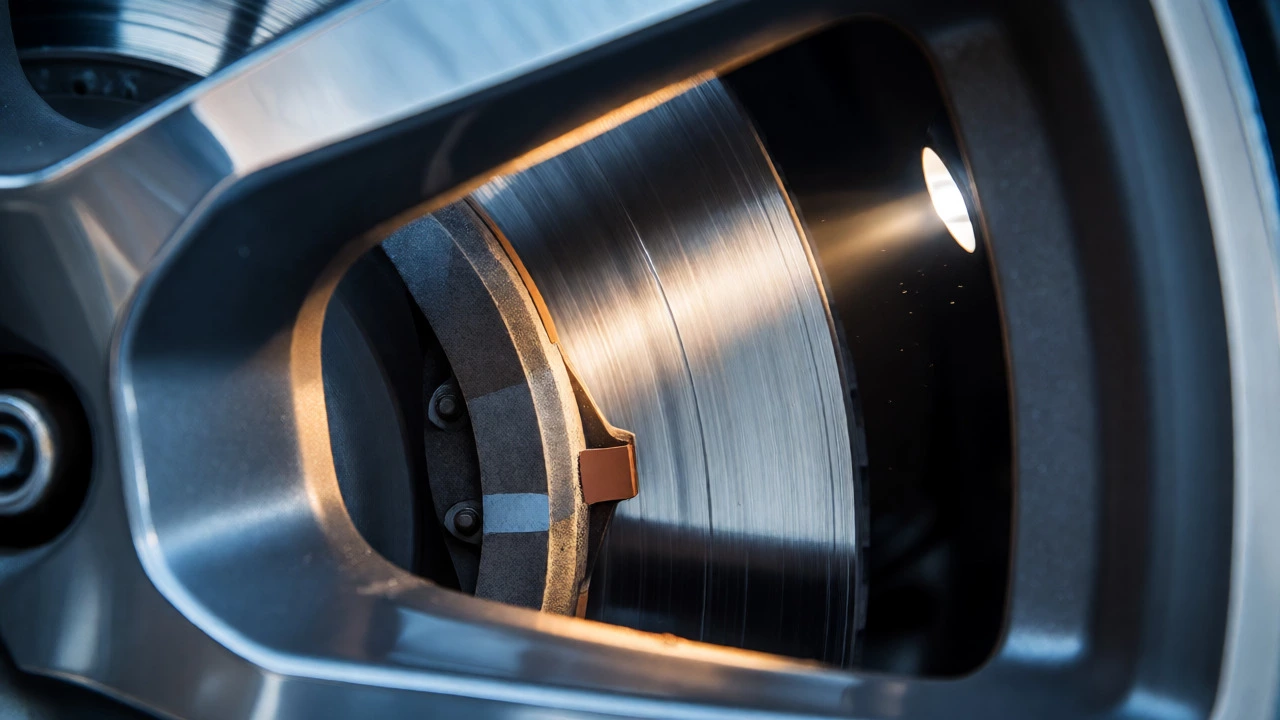
Don’t wait for a mechanic to tell you what you could have seen yourself. Modern alloy wheels are open enough to let you peek inside. Take a torch (flashlight) and look at the brake caliper area. You’re looking for the friction material sandwiched between the caliper piston and the rotor.
New brake pads are about 10-12mm thick. As they wear, this layer shrinks. Here’s the rule of thumb: if the friction material looks thinner than 3mm (about the thickness of two stacked pennies), replace them immediately. Some people say "if you can see the metal backing plate," but by then, you’re already damaging other parts. Look at both inner and outer pads. Sometimes one side wears faster due to sticking calipers, so check both sides of each wheel.
| Thickness (mm) | Status | Action Required |
|---|---|---|
| 10-12mm | New/Like New | No action needed |
| 6-9mm | Healthy Wear | Monitor during next service |
| 3-5mm | Worn | Plan replacement within 1,000 miles |
| <3mm | Critical | Replace immediately |
| Metal on Metal | Damaged | Check rotors too |
Feeling It in the Pedal
Your feet know more than your ears sometimes. When you press the brake pedal, it should feel firm and responsive. If it feels soft, spongy, or goes further to the floor than usual, don’t assume it’s just air in the lines (though that’s possible). Worn pads increase the distance the caliper pistons must travel, which can change pedal feel.
Vibration is another big red flag. If the steering wheel shakes or the pedal pulses when you brake hard, your rotors might be warped. While this isn’t directly caused by thin pads alone, uneven pad wear or overheating from dragging brakes often leads to rotor warping. If you feel pulsing, inspect the pads for uneven thickness across the surface. Glazed pads-where the surface becomes shiny and hard from extreme heat-can also cause poor braking performance and vibration.
Dashboard Warning Lights
Modern cars aren’t just mechanical; they’re electronic. Many vehicles come equipped with electronic wear sensors. Unlike the old-school metal tabs that rely on noise, these sensors break an electrical circuit when the pad material wears down to a specific level. This triggers a dashboard light, often labeled "BRAKE" or showing a circle with brackets around it.
If this light comes on, don’t panic, but don’t ignore it either. It doesn’t necessarily mean your brakes have failed completely right now. It means the sensor has detected critical wear. In some luxury brands like BMW or Mercedes, the system tracks mileage and usage patterns to predict failure before it happens. Check your owner’s manual for what the specific symbol means for your model year. Ignoring this light risks total pad failure.
Performance Changes: Pulling and Stopping Distance
Have you noticed your car takes longer to stop? Or does it pull to one side when you brake? Uneven braking force is a classic sign of bad pads or caliper issues. If one pad is worn out while the other is still healthy, the caliper on the worn side may not clamp as effectively, causing the car to steer toward the side with better grip.
Increase stopping distance is subtle. You might get used to it over months. Compare your braking habits. If you find yourself tapping the pedal earlier at roundabouts or needing more pressure to slow down for traffic lights, your friction material is likely compromised. Wet weather exacerbates this issue. Thin pads have less thermal mass and dissipate heat poorly, leading to "fade" where brakes lose effectiveness temporarily.
DIY vs. Professional Inspection
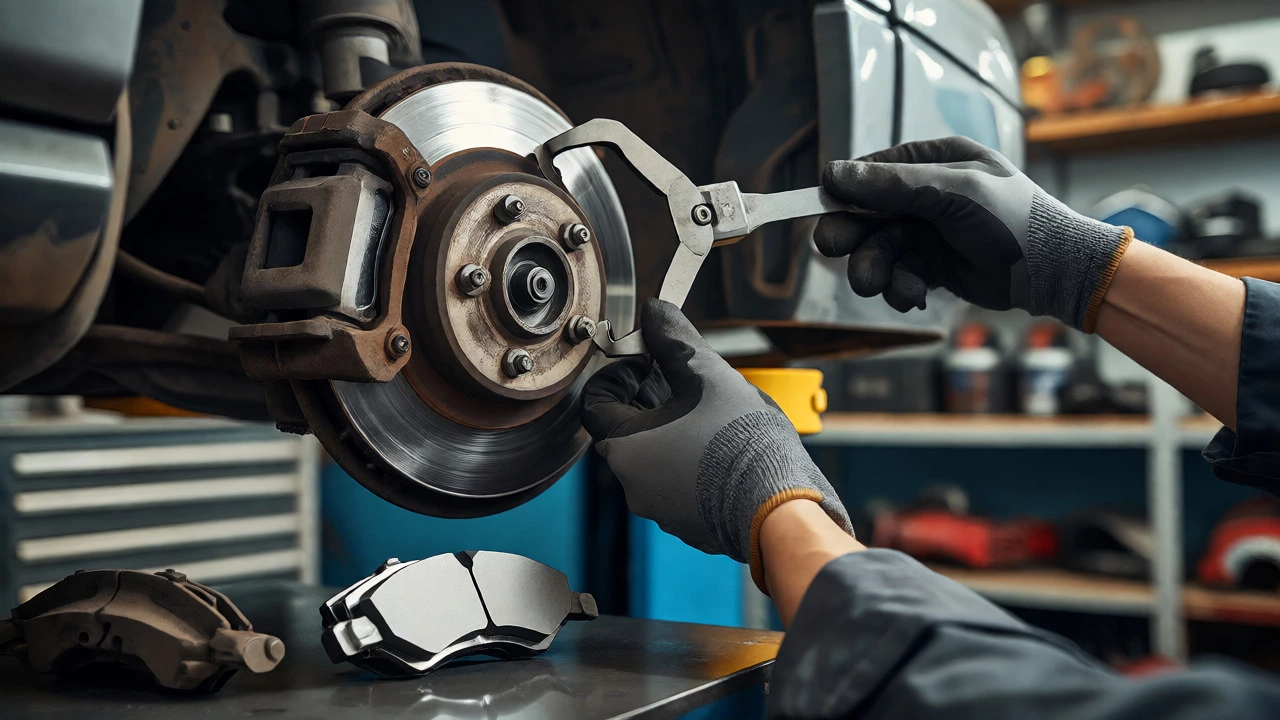
Can you do this yourself? Yes, absolutely. You don’t need fancy tools. A good flashlight, a pair of gloves, and a clean rag are sufficient for a visual check. Park on a flat surface, turn off the engine, and ensure the wheels are cool to the touch. Never inspect hot brakes-you risk burns and inaccurate readings due to expansion.
However, knowing your pads are bad is different from fixing them. If you’re handy, replacing pads is a weekend job for many cars. But if you notice rotor damage, stuck calipers, or ABS faults, leave it to a pro. Mechanics use micrometers for precise measurements and torque wrenches to ensure bolts are tightened to spec. Over-tightening can warp components; under-tightening can lead to dangerous loosening.
Common Misconceptions About Brake Pads
People often think all brake pads are the same. They’re not. There are three main types:
- Organic (NAO): Quiet, low dust, but wear faster. Good for city driving.
- Semi-Metallic: Durable, handle heat well, but noisier and produce more dust. Common in European cars.
- Ceramic: Expensive, very quiet, minimal dust, long-lasting. Ideal for daily commuters who want cleanliness and silence.
Another myth: "If it’s not making noise, it’s fine." False. Ceramic pads rarely squeal. Organic pads can wear down without much sound. Always combine auditory checks with visual inspections. Also, remember that front pads wear faster than rear pads because most cars are front-heavy and use front-biased braking systems. Expect to replace fronts twice for every set of rears.
When to Replace vs. Just Clean
Sometimes, noise isn’t about wear. It’s about dirt. Road salt, mud, and brake dust can accumulate between the pad and caliper bracket. A thorough cleaning with brake cleaner spray and a wire brush can eliminate squeaks caused by debris. If the pads look thick and healthy but still sing, try cleaning them first. If the noise returns quickly, the issue is structural, not cosmetic.
Glazing is another fixable issue. If pads have hardened surfaces from overheating, removing the top layer with sandpaper can restore bite. But if the pad is cracked, delaminated (the friction material peeling off), or below 3mm, cleaning won’t help. Replacement is the only option.
How long do brake pads last?
It varies wildly based on driving style and conditions. City driving with frequent stops might require replacement every 20,000-30,000 miles. Highway driving can stretch this to 60,000+ miles. Aggressive driving shortens lifespan significantly.
Can I drive with bad brake pads?
You can drive briefly if the pads are merely noisy or slightly worn. Avoid driving if you hear grinding or feel significant pedal loss. Driving with metal-on-metal contact damages rotors, turning a £50 job into a £200+ repair.
Why do my new brakes squeak?
New pads need a "break-in" period. During the first few hundred miles, the pads transfer material to the rotor. Temporary squeaking is normal. If it persists beyond 500 miles, check for proper installation or anti-rattle clips.
Do brake pads have a date code?
Yes, reputable manufacturers stamp production dates on the backing plate. Rubber compounds can degrade over time even if unused. Try to buy pads manufactured within the last 12-18 months for best performance.
Is it cheaper to replace pads myself?
Labor costs make up 50% of the bill. DIY saves money but requires tools (jack, stands, socket set) and knowledge. Mistakes can be costly. If you’re confident, yes. If unsure, pay for professional peace of mind.