Cold Air Intake Horsepower Estimator
Vehicle Configuration
Estimated Results
Peak Horsepower Gain
You’ve seen the ads. You’ve heard the dyno pulls on YouTube. A simple swap of your stock air box for a shiny cone filter promises more power, better throttle response, and that aggressive engine sound you crave. But here is the hard truth: cold air intake systems do not magically add massive horsepower to every vehicle. In fact, for many modern cars, the gain might be negligible-or even non-existent without other supporting modifications.
The automotive aftermarket thrives on the promise of easy gains. However, understanding whether a cold air intake (CAI) actually increases horsepower requires looking at thermodynamics, engine management systems, and the specific design of your vehicle’s factory intake. Let’s cut through the marketing hype and look at what the physics and real-world data say about these modifications.
How Cold Air Intakes Actually Work
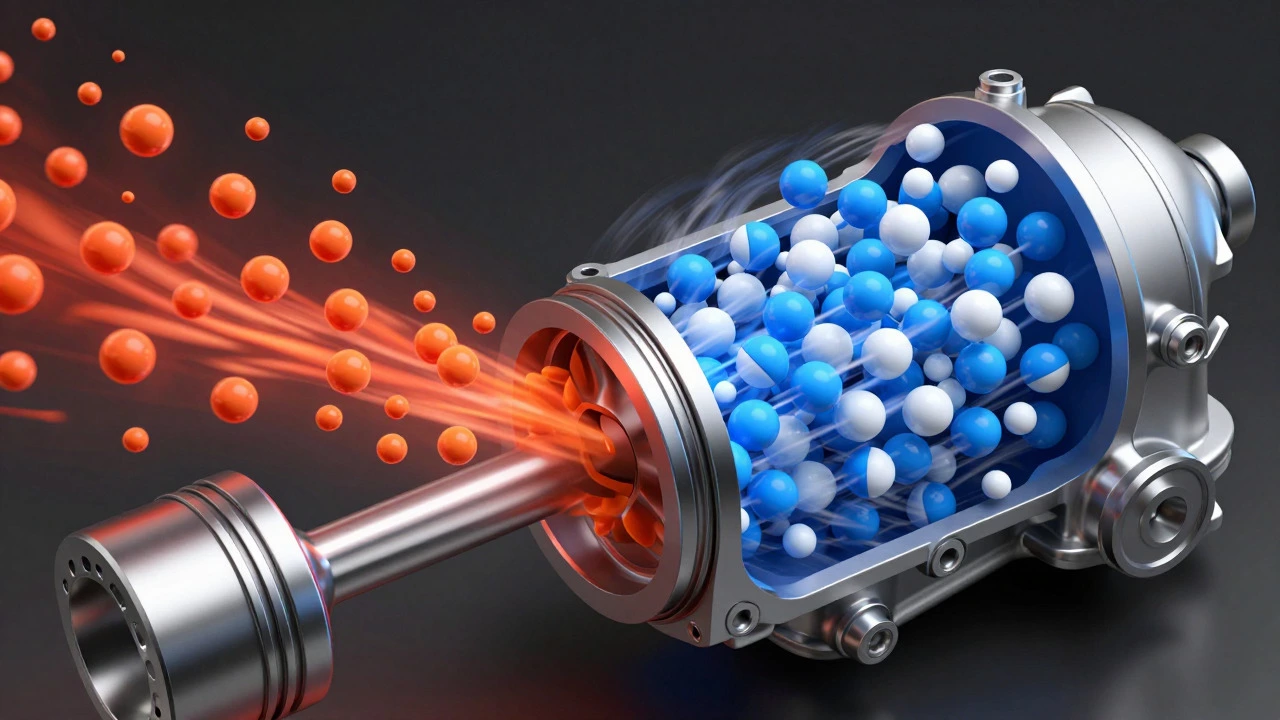
To understand if a CAI adds power, we first need to understand why it exists. Internal combustion engines run on a mixture of fuel and air. The more oxygen molecules you can pack into the cylinder during the intake stroke, the more fuel you can burn, and the bigger the explosion. This creates more force on the piston, which translates to torque and horsepower.
Cold air is denser than hot air. When air cools down, its molecules pack closer together. A given volume of cold air contains more oxygen than the same volume of hot air. Factory intake systems are designed to pull air from outside the engine bay, often routing it through long tubes to keep the air as cool as possible before it hits the engine.
Aftersales cold air intakes aim to improve upon this by:
- Reducing Restriction: Replacing restrictive stock air boxes with smoother, larger-diameter tubing.
- Improving Filtration Efficiency: Using high-flow filters that allow more air to pass through with less pressure drop.
- Positioning: Placing the filter in a location where it can draw cooler ambient air, rather than heat-soaked air from the radiator or exhaust manifold.
The theory is solid. If you reduce restriction and lower intake air temperature (IAT), the engine control unit (ECU) can inject more fuel safely, resulting in more power. The problem lies in the execution and the baseline efficiency of modern factory designs.
The Reality of Horsepower Gains
So, does it increase HP? Yes, but usually not by much. On naturally aspirated engines, you are typically looking at gains of 3 to 8 horsepower. On turbocharged or supercharged forced-induction engines, the gains can be slightly higher, ranging from 5 to 10 horsepower, because the forced induction system benefits significantly from reduced backpressure and cooler charge air.
These numbers seem small compared to the price tag of a premium CAI kit, which can range from $200 to over $600. Why such modest gains? Modern vehicles are engineered with extreme precision. Factory intake manifolds and air boxes are tuned for a balance of noise reduction, emissions compliance, fuel economy, and power across the entire RPM range. They are not "restricted" in the way older carbureted engines were; they are optimized.
When you install an aftermarket CAI, you are disrupting this optimization. While you might gain peak horsepower at high RPMs due to better airflow, you could lose low-end torque if the intake tuning changes the volumetric efficiency curve. Furthermore, many cheap CAI kits actually pull hot air from the engine bay because they lack proper heat shields or snorkels. Hot air is less dense, meaning fewer oxygen molecules enter the cylinder. In this scenario, you might actually see a slight decrease in performance.
Key Factors That Determine Success
Not all cold air intakes are created equal. Whether you see a noticeable difference depends on several critical factors related to your specific vehicle and the quality of the product.
| Factor | Impact on Horsepower | Why It Matters |
|---|---|---|
| Engine Type | High on Forced Induction / Low on NA | Turbos compress air, so reducing inlet restriction helps spool faster and reduces heat soak. |
| Intake Tube Diameter | Medium | Larger tubes reduce velocity at low RPMs, potentially hurting torque. Proper sizing is crucial. |
| Filter Quality | High | Poor filtration allows dirt ingestion, damaging the engine. High flow must not compromise sealing. |
| Heat Shielding | Critical | Without a shield, the filter sucks in hot under-hood air, negating the "cold air" benefit. |
| ECU Tuning | Very High | Stock ECUs have limited fuel maps. Custom tuning unlocks the full potential of increased airflow. |
One major issue with universal or poorly designed kits is the lack of a proper heat shield. Many enthusiasts install a cone filter directly next to the firewall or exhaust header. As soon as the engine warms up, the intake air temperature rises significantly. If your IAT sensor reads 120°F instead of the ambient 70°F, the ECU will retard timing to protect the engine, killing any potential power gains.
The Sound Factor: Expectation vs. Reality
For many drivers, the primary reason for installing a cold air intake isn’t the marginal horsepower gain-it’s the sound. Stock air boxes are designed to be silent. They use baffles and foam to dampen the whoosh of incoming air. Aftermarket CAIs remove these silencers.
Will you hear a difference? Yes. Most people report a deeper, more aggressive intake note, especially during hard acceleration. However, the reality is often underwhelming compared to promotional videos. In daily driving, road noise, wind noise, and tire roar easily drown out the subtle intake sounds. You’ll likely only notice the change when you’re flooring it on an empty highway or sitting in a quiet garage.
Also, beware of "drone." Some poorly tuned intakes create resonant frequencies that cause a annoying humming or whining noise at certain RPMs. This can be more irritating than the silence of the stock setup.
Risks and Drawbacks to Consider
Before you buy, consider the downsides. Removing the stock air box eliminates the factory-designed safety net against water ingestion. Stock air boxes are large and positioned to prevent hydrolock if you drive through deep puddles. A cone filter mounted low near the wheel well or bumper is susceptible to sucking up water, mud, or debris.
If water enters the engine cylinders, it cannot be compressed. This causes immediate and catastrophic engine failure, known as hydrolock. Repair costs can exceed the value of the car itself. Always check the placement of the intake filter relative to your local weather conditions. If you live in an area with heavy rain or flooding, a CAI poses a genuine risk.
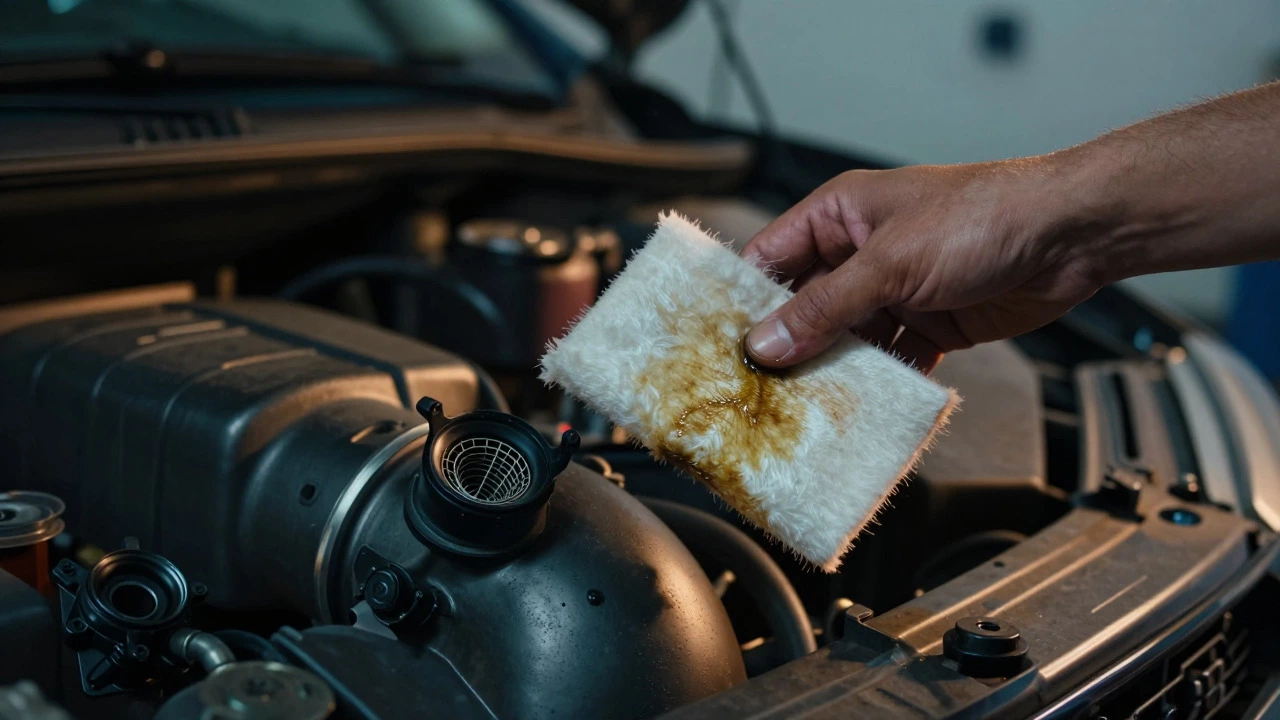
Maintenance is another factor. Oiled cotton gauze filters, common in high-performance CAIs, require regular cleaning and re-oiling. If you don’t maintain them, they become clogged and restrict airflow worse than the stock paper filter. Additionally, excessive oil on the filter can contaminate Mass Air Flow (MAF) sensors, leading to rough idling, poor fuel economy, and check engine lights. Cleaning the MAF sensor becomes a recurring chore.
Who Should Install a Cold Air Intake?
Given the modest power gains and potential risks, who actually benefits from this modification? Here is a breakdown based on driver profiles:
- The Track Enthusiast: If you are stripping weight, adding a turbo, and tuning the ECU, a high-quality CAI is part of a holistic package. It reduces intake temperatures during sustained high-load operation, helping maintain consistent power.
- The Audio Lover: If you want a sportier exhaust-like induction noise and accept that the power gain is minimal, a CAI delivers audible satisfaction.
- The Daily Driver: Probably skip it. The cost-to-benefit ratio is poor. You won’t notice 5 extra horsepower in stop-and-go traffic, and you might annoy yourself with maintenance or drone.
- The Off-Roader:** Strongly consider keeping the stock intake or using a specialized pod filter with excellent water shielding. Hydrolock is a real threat in muddy terrain.
Alternatives for Better Power Gains
If your goal is strictly increasing horsepower, there are more effective upgrades than a standalone cold air intake. Consider these alternatives:
- Performance Exhaust System: Reducing backpressure on the exhaust side often yields better mid-range torque gains than intake modifications alone. A cat-back or axle-back system also improves sound dramatically.
- ECU Remap/Tune: Unlocking the software limits of your engine can provide significant horsepower and torque increases, often optimizing the air/fuel ratio for existing hardware.
- Weight Reduction: Removing unnecessary weight improves acceleration, braking, and handling more noticeably than adding a few horsepower. The power-to-weight ratio is king.
- Forced Induction: Adding a turbocharger or supercharger is the most effective way to multiply horsepower, though it requires significant investment and supporting mods.
Final Verdict on Cold Air Intakes
Does a cold air intake increase horsepower? Technically, yes. Practically, the gains are often too small to justify the expense for the average driver. You are paying for the aesthetic appeal, the improved intake sound, and the psychological satisfaction of modifying your car. If you choose to install one, invest in a reputable brand with proper heat shielding and ensure the filter is positioned away from water sources. Pair it with an ECU tune if you want to realize any meaningful performance benefits. Otherwise, save your money for upgrades that deliver more tangible results on the road.
How much horsepower does a cold air intake really add?
On naturally aspirated engines, expect 3-5 horsepower. On turbocharged engines, you might see 5-10 horsepower. These gains are highly dependent on the vehicle's baseline tuning and the quality of the intake system. Without an ECU tune, the gains are often minimal.
Can a cold air intake void my warranty?
In the US, the Magnuson-Moss Warranty Act protects consumers. Dealerships must prove that the modification caused the damage to deny a warranty claim. However, if a dirty CAI filter causes engine wear or a poorly installed kit leads to water ingestion, the dealer can legitimately deny coverage for those specific repairs.
Is a cold air intake worth it for a daily driver?
Probably not for performance reasons. The power gains are negligible in daily traffic. It may be worth it if you value the improved engine sound and easier engine bay access for cleaning. However, consider the risk of water ingestion and the need for regular filter maintenance.
Do I need to tune my car after installing a cold air intake?
It is recommended but not always mandatory. Modern ECUs have self-learning capabilities that can adjust fuel trims to accommodate increased airflow. However, a custom tune ensures the air/fuel ratio is optimal across the entire RPM range, maximizing both power and reliability.
What is the difference between a cold air intake and a short ram intake?
A cold air intake routes the filter to a cooler location outside the engine bay, usually near the fender. A short ram intake keeps the filter inside the engine bay. Short rams are cheaper and easier to install but often pull hotter air, resulting in fewer power gains and potentially negative performance effects under load.