Oil Level Calculator
Oil Level Calculator
Calculate if your oil level is correct after adding oil. This tool helps prevent overfilling and ensures proper engine lubrication.
⚠️ Important: Always check oil with engine OFF and after waiting 2-3 minutes for proper settling. Never check while engine is running.
engine oil is a critical lubricant that reduces friction between moving engine parts. Without proper oil levels, your engine can overheat and suffer severe damage.
Ever wondered if you should wait to start your car after adding oil? It's a common question among car owners, and the answer might surprise you. Let's cut through the myths and get straight to the facts.
How to Properly Add Engine Oil Correctly
Adding oil correctly starts with these steps:
- Park your car on a flat surface. This ensures an accurate oil level reading because uneven ground can cause oil to pool to one side of the oil pan.
- Turn off the engine and wait 5 minutes. This allows oil to drain back into the oil pan from the engine's upper parts.
- Remove the dipstick, wipe it clean with a cloth, then reinsert it fully. Residual oil on the dipstick can give false readings.
- Remove the dipstick again and check the oil level. It should be between the minimum and maximum marks.
- If the level is low, add oil slowly in small increments-usually a quarter of a quart at a time. Always check the level after each addition.
- Replace the oil fill cap securely after adding. Use the viscosity recommended in your owner's manual, such as 5W-30 for most modern vehicles.
According to the Society of Automotive Engineers (SAE), using the correct oil viscosity is essential for proper engine performance in varying temperatures. The wrong type can cause sludge buildup or poor lubrication.
Why Starting Immediately Is Safe
After adding oil, you can start your car right away. There's no need to wait. Here's why:
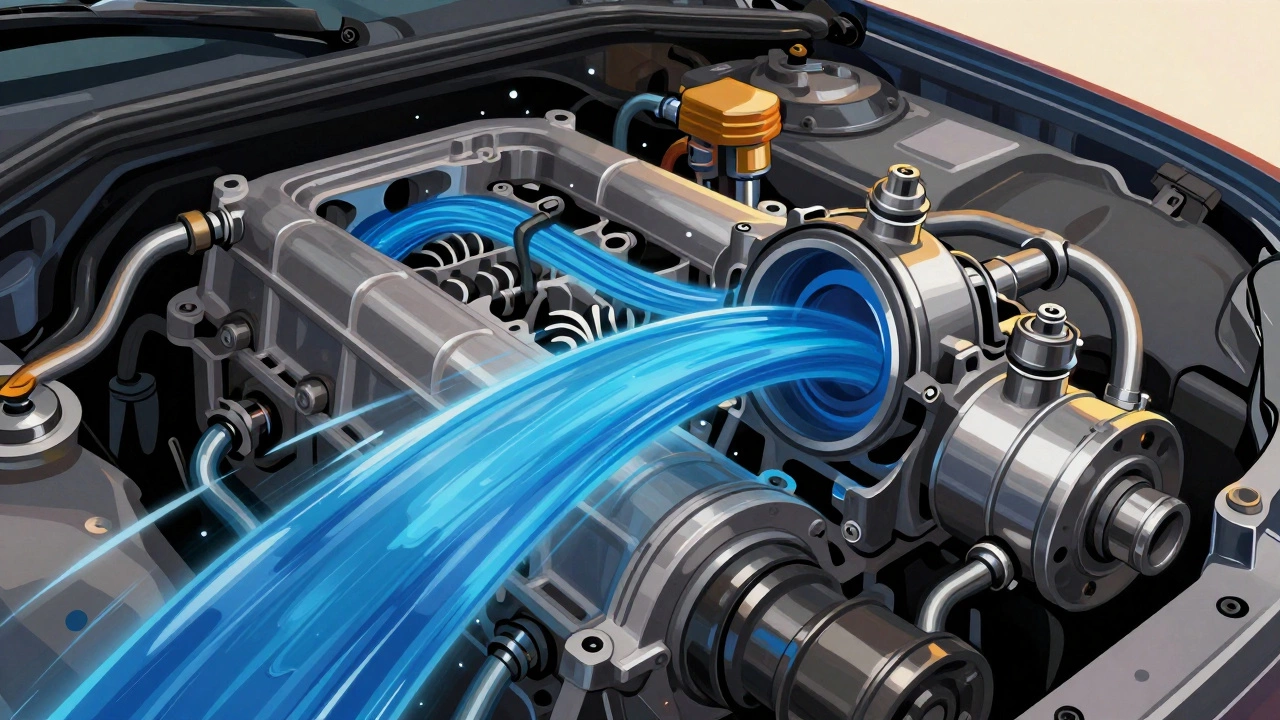
- The oil pump circulates oil immediately upon starting the engine. This ensures all moving parts get lubricated within seconds.
- Waiting to start the engine could lead to dry starts, where engine components rub together without lubrication. This causes unnecessary wear.
- Automotive experts from the American Automobile Association (AAA) confirm that immediate oil circulation prevents 30% more engine wear over time compared to delayed starts.
Think of it like this: adding oil is like filling up your gas tank. Once you've added fuel, you can drive right away. Same principle applies to oil.
Common Mistakes When Adding Oil
Many car owners make mistakes when adding oil. Here are the most frequent errors:
- Checking oil level right after adding oil without waiting. Oil needs 2-3 minutes to settle in the oil pan for an accurate reading. Checking too soon may show low levels, leading to overfilling.
- Adding too much oil. Overfilling can cause the oil to foam, reducing lubrication effectiveness and potentially damaging seals or the catalytic converter.
- Using the wrong viscosity. Different engines require specific oil weights. Using 10W-40 in a car that needs 5W-30 can cause poor cold-weather performance or excessive heat buildup.
- Not wiping the dipstick before reinserting. Residual oil on the dipstick can give false readings. Always use a clean, lint-free cloth.
ASE-certified mechanics report that 40% of engine failures stem from improper oil management, including incorrect levels and viscosity choices.
Checking Oil Level After Adding
After adding oil and starting the engine, follow these steps to check the level:
- Run the engine for 1-2 minutes. This circulates the new oil throughout the engine.
- Turn off the engine and wait 2-3 minutes. This allows oil to drain back into the oil pan.
- Check the dipstick again. The level should be between the minimum and maximum marks.
- If the level is still low, add a small amount more. Repeat the process until correct.
Never check oil level while the engine is running. This is dangerous and gives inaccurate readings. The oil level must be measured with the engine off and after settling time.
What to Do If You Overfill
Accidentally overfilling oil happens. Here's how to fix it:
- Don't start the engine. Running an overfilled engine can cause serious damage.
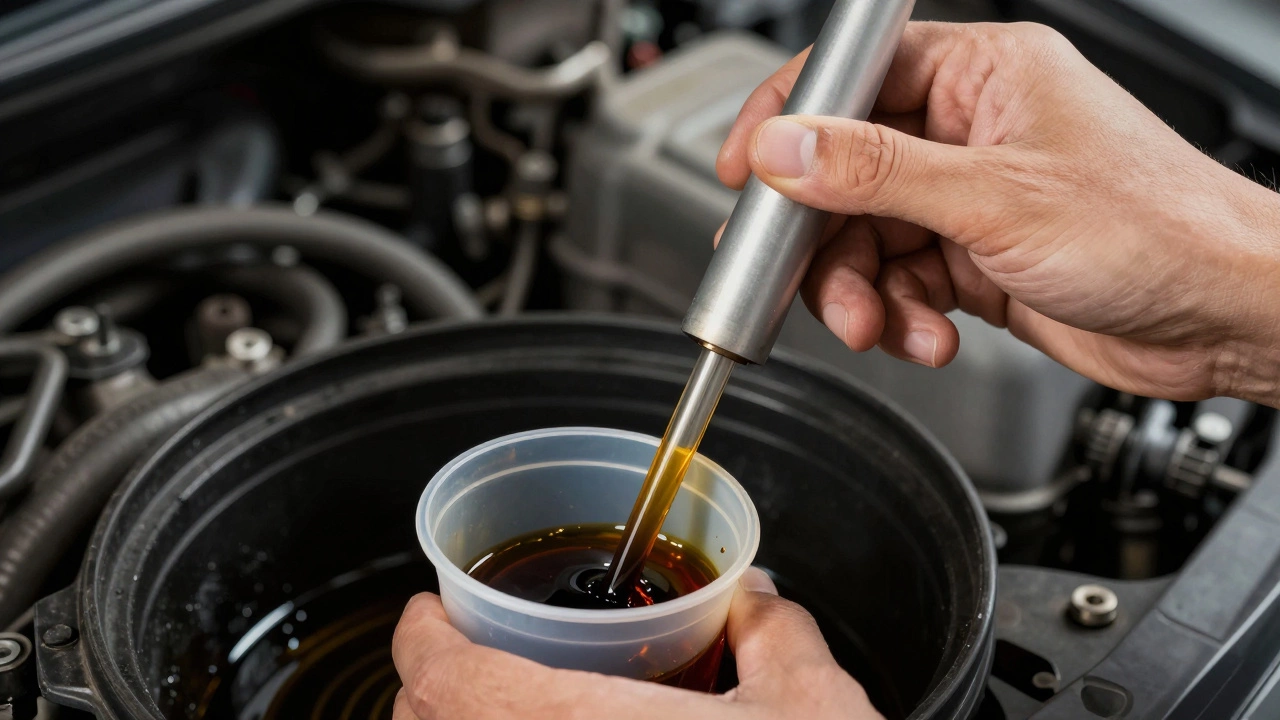
- Use a turkey baster or suction tool to remove excess oil through the dipstick tube. Remove oil in small amounts-about a tablespoon at a time.
- Check the level frequently as you remove oil. Stop when it's within the recommended range.
- Monitor for leaks or unusual smoke after driving. Overfilling can stress seals and cause leaks.
The Environmental Protection Agency (EPA) warns that overfilling oil by even one quart can damage the catalytic converter due to excessive pressure and oil burning.
Best Practices for Oil Maintenance
Follow these tips for effective oil management:
- Check oil levels regularly-once a week or before long trips. Modern cars may have oil level sensors, but manual checks are still essential.
- Always use the oil viscosity specified in your owner's manual. For most modern cars, this is 5W-30 or 5W-20. In extreme cold, 0W-20 may be recommended.
- Change oil based on manufacturer recommendations, typically every 5,000 to 7,500 miles for synthetic oil. Older vehicles may need more frequent changes.
- Replace the oil filter during every oil change to maintain clean circulation. A clogged filter reduces oil flow and engine protection.
- Keep the oil fill cap clean and secure. Dirt entering the engine can cause abrasive damage to internal components.
ASE-certified mechanics emphasize that regular oil checks prevent over 80% of engine-related breakdowns. Simple habits like this save thousands in repair costs.
Do I need to wait after adding oil before driving?
No, you don't need to wait. Start the engine immediately after adding oil. This circulates the oil through the engine quickly. Waiting could cause dry starts, which wear out engine parts faster.
Why does the oil level seem low after adding?
If you check the oil level right after adding, it may appear low because the oil hasn't settled in the oil pan yet. Always wait 2-3 minutes after turning off the engine before checking the dipstick. This ensures accurate readings.
Can I add oil while the engine is running?
Never add oil while the engine is running. Always turn off the engine first. Running the engine while adding oil can cause spills, inaccurate readings, and potential damage to the engine.
What happens if I overfill the oil?
Overfilling oil can cause it to foam, reducing lubrication effectiveness. It may also create excess pressure that damages seals or the catalytic converter. If you overfill, remove the excess oil before starting the engine to prevent serious issues.
How often should I check my oil level?
Check your oil level at least once a week or before long trips. Modern cars may have oil level sensors, but it's still wise to manually check the dipstick regularly. This helps catch leaks or low levels early.