Fuel Pump Severity Checker
Check every symptom that matches what your car is doing. The tool scores your situation and tells you if it's safe to limp home or if you need a tow.
Your car is sputtering in traffic, the check engine light is blinking, and you're wondering if you can just limp home. The short answer is: it depends on how "bad" the fuel pump is the component responsible for moving gasoline from the tank to the engine at high pressure. If it's barely working, you might make it five miles. If it's failing completely, you could be stranded in the middle of an intersection. Understanding the difference between a dying pump and a dead one saves you from expensive tow truck fees and potential engine damage.
What Actually Happens When a Fuel Pump Fails
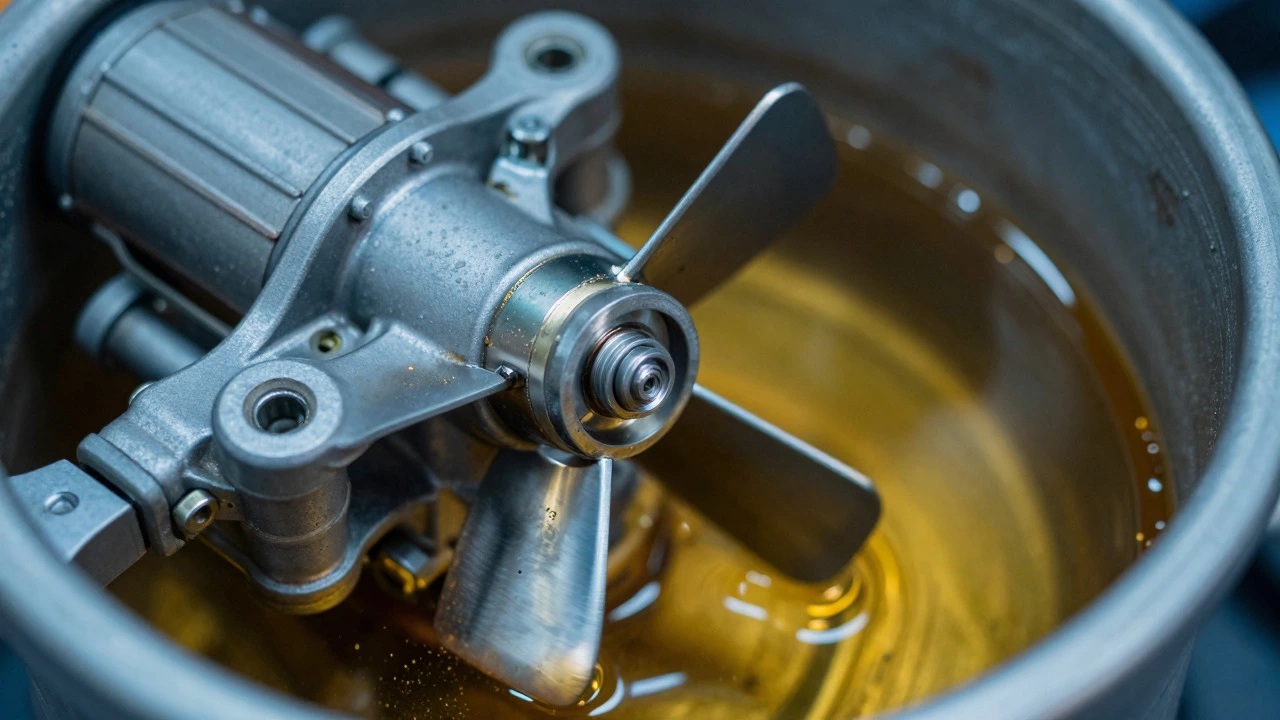
A modern electric fuel pump is a motor-driven device located inside or near the fuel tank that maintains consistent fuel pressure. Most cars require between 30 and 60 PSI (pounds per square inch) to run smoothly. When the pump starts to fail, it loses the ability to maintain this pressure, especially under load. You don't usually hear a loud bang. Instead, the failure is gradual. The pump's internal motor wears out, causing the impeller to spin slower. This results in intermittent flow. Your engine computer detects the drop in pressure and tries to compensate by opening the throttle wider, but if there isn't enough gas reaching the cylinders, the engine misfires or stalls.
Signs You Should Stop Driving Immediately
Some symptoms are red flags that mean your car needs to stop moving right now. Ignoring these can lead to catastrophic engine damage because unburned fuel can wash down the cylinder walls, stripping oil from the piston rings.
- Sudden Stalling at Idle: If your car dies while stopped at a red light and takes more than two seconds to restart, the pump likely cannot build pressure fast enough.
- Lack of Power Under Load: Merging onto a highway or climbing a hill requires maximum fuel delivery. If the RPMs lag significantly or the car feels like it's dragging weights, the pump is struggling.
- Whining Noise from the Tank: A healthy pump is quiet. A failing one often makes a high-pitched whine or buzz that gets louder as the tank level drops. This is a mechanical warning sign.
- Flooding After Refueling: If the engine floods immediately after adding gas, the pump may be stuck in a closed position or sending erratic pressure signals.
When It’s Safe to Limp Home (With Caution)
There are scenarios where a weak pump allows for limited driving. This is common when the pump is partially clogged or the motor is weakening but still functional. In these cases, you might notice:
- Check Engine Light (P0234 or P0187): These codes indicate low fuel rail pressure or sensor issues. If the car runs normally otherwise, you have a window of opportunity.
- Mild Hesitation: Slight stuttering during acceleration but no stalling.
- Normal Idle: The car sits steady at a stop without shaking.
The Risk of Driving on a Dying Pump
Why take the risk? Because a failed pump doesn't just stop the car; it can cause secondary damage. Here is what happens mechanically when you push a weak pump too far: * Catalytic Converter Damage: Unburned fuel enters the exhaust system. The catalytic converter, which costs $1,000-$2,000 to replace, overheats and melts internally. * Spark Plug Fouling: Excess fuel coats the spark plugs, making them hard to clean or requiring replacement. * Tank Stranding: If the pump seizes completely, you lose all mobility. Towing a car with a failed electrical component can be complicated if the battery drains while waiting for help.
Comparison: Weak vs. Failed Fuel Pump Symptoms
To help you decide whether to drive or call a tow, compare your symptoms against this table. This breakdown clarifies the severity levels based on observable behavior.
| Symptom | Weak/Failing Pump | Completely Failed Pump |
|---|---|---|
| Engine Start | Slow crank, multiple attempts needed | No start, cranks but no fire |
| Idle Quality | Rough idle, slight vibration | Stalls immediately or won't hold idle |
| Acceleration | Hesitation, power loss on hills | No response, engine cuts out |
| Noise | High-pitched whine from tank | Silent (motor seized) or clicking relay |
| Driving Recommendation | Limp to nearest shop (short distance) | Tow truck required |
How to Test Your Fuel Pump Before Driving
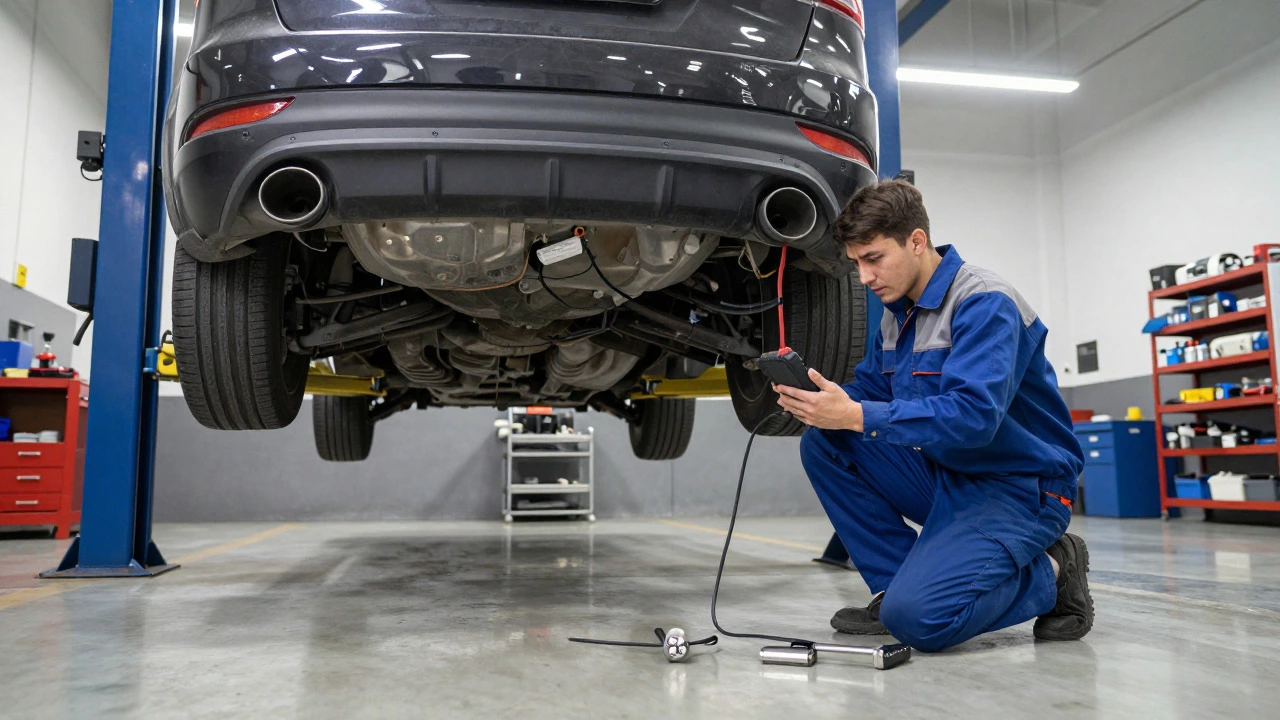
If you suspect a problem but aren't sure, perform a quick diagnostic before hitting the road. You don't need professional tools for a basic check. 1. Listen Test: Turn the ignition key to the "ON" position (do not start the engine). You should hear a brief hum from the fuel tank for 2-3 seconds. If it's silent, the pump, relay, or fuse is dead. 2. Fuel Level Check: Many pumps have a float switch or rely on submersion for cooling. If the tank is below 1/8 full, the pump may be drawing air. Fill up and see if performance improves. 3. Pressure Gauge (Advanced): If you have access to a fuel pressure gauge, connect it to the Schrader valve on the fuel rail. Readings below 30 PSI at idle indicate a failing pump. Normal range is typically 40-60 PSI depending on the vehicle model.
Prevention and Maintenance Tips
Fuel pumps rarely fail due to age alone; they fail due to heat and debris. Here is how to extend the life of your fuel system components is a group of parts including the pump, filter, and injectors that work together to deliver fuel. * Never Run on Empty: Keeping the tank at least 1/4 full ensures the pump stays submerged in cooler fuel, reducing thermal stress. * Use Quality Fuel: Contaminants in cheap gas can clog the pump inlet screen. Stick to reputable stations. * Replace Fuel Filters: On older cars with external filters, changing them every 30,000-40,000 miles prevents debris from reaching the pump. * Check Relays and Fuses: Sometimes the pump is fine, but the electrical connection is corroded. Cleaning these contacts can solve starting issues without replacing the pump.
Frequently Asked Questions
How long can I drive with a bad fuel pump?
It varies. A partially failing pump might last 50-100 miles, while a severely weakened one could stall within 5 miles. If the car idles smoothly and accelerates without major hesitation, you have a limited window. If it stalls at stops, do not drive further.
Does a bad fuel pump cause the check engine light?
Yes. Common codes include P0234 (Excessive Boost Pressure), P0187 (Fuel Rail Pressure Sensor Low Input), and P0087 (Fuel Rail/System Pressure Too Low). These codes confirm the engine computer is detecting inconsistent fuel delivery.
Is it cheaper to fix a fuel pump or buy a used car?
For most vehicles, repairing the pump is cheaper. Labor costs range from $100 to $300, and parts cost $100 to $400. Total repair is usually under $700. Buying a used car involves hidden risks and higher upfront costs, so repair is almost always the better financial decision unless the car has other major issues.
Can running on empty kill a fuel pump?
Yes. Modern electric pumps rely on fuel for cooling and lubrication. Running the tank dry causes the pump to overheat and draw sediment from the bottom of the tank, which can clog the intake screen and wear down the motor bearings.
What does a failing fuel pump sound like?
A healthy pump is inaudible. A failing pump often makes a high-pitched whine, buzz, or humming noise that comes from the rear of the vehicle (where the tank is). The noise typically gets louder as the fuel level drops because the pump works harder to find fuel.