
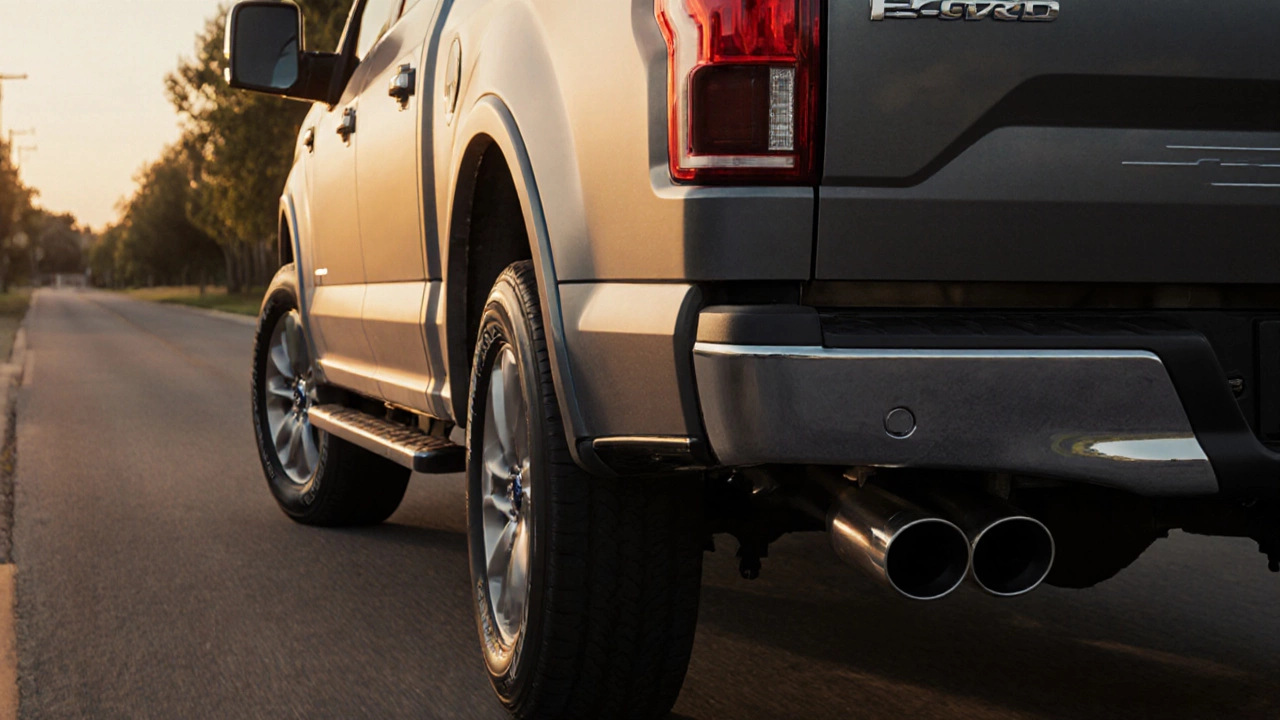
When you hear the deep rumble of a tuned car rolling down the road, that sound often comes from a performance muffler, a modified exhaust component designed to reduce backpressure while controlling sound output. Also known as a high-flow muffler, it’s not just about noise—it’s about letting your engine breathe better, which can improve throttle response and even fuel efficiency. Unlike factory mufflers that prioritize quiet operation, performance mufflers use different internal designs—like straight-through pipes or fiberglass packing—to let exhaust gases flow more freely. This reduces the effort your engine needs to push exhaust out, which can translate to real gains in power, especially in modified or high-revving engines.
But a performance muffler doesn’t work alone. It’s part of a larger system—the exhaust system, which includes the manifold, catalytic converter, pipes, and resonator. A true performance upgrade often means replacing more than just the muffler. If your exhaust system is clogged or rusted, even the best muffler won’t help. That’s why many people who upgrade their muffler also check for leaks, worn hangers, or damaged pipes. And if you’re chasing more power, pairing a performance muffler with a cat-back system often gives better results than swapping just the muffler.
Not everyone wants a loud car. Some performance mufflers are designed to be subtle—just a bit deeper, a bit smoother, without the drone or boom. Others are built for track days or show cars, where the sound is part of the appeal. The key is matching the muffler to your driving style. If you commute daily, a too-loud muffler can become annoying. If you drive a tuned sports car or modified hatchback, the right muffler can make the whole experience feel more connected and responsive.
Signs your current muffler is failing? A sudden increase in noise, especially a rattling or roaring sound, often means internal baffles are broken. Rust holes can cause exhaust leaks, which aren’t just noisy—they’re dangerous. Carbon monoxide can seep into the cabin. And if your car feels sluggish after years of use, a clogged or restrictive muffler could be part of the problem. Replacing it with a performance version isn’t always about speed—it’s about restoring lost efficiency.
Below, you’ll find real-world advice from mechanics and drivers who’ve been there. Whether you’re wondering if a new muffler will help your car run better, how much it costs to install, or which brands actually deliver on their promises, the posts here cut through the hype. You’ll see what works, what doesn’t, and what to watch out for before you spend your money.
 17 November 2025
A MagnaFlow muffler adds 5-10 horsepower on most vehicles, improves fuel economy by 1-2 mpg, and delivers a deep, clean exhaust note. It’s not a power miracle, but it’s one of the most reliable exhaust upgrades you can make.





©2026 northwichtyrescentre.co.uk. All rights reserved
0