
When your engine runs out of oil—or worse, can’t get enough of it—that’s oil starvation, a condition where critical engine parts don’t receive adequate lubrication, leading to rapid wear or total failure. It’s not just about low oil levels; it’s about oil not reaching where it’s needed, when it’s needed. Think of it like your heart running out of blood. No oil, no protection. Just metal grinding on metal. And it doesn’t take long for that to turn into a $5,000 repair.
Low oil pressure, the most common warning sign of oil starvation, happens when the oil pump can’t push enough fluid through the engine’s narrow passages. This isn’t always the same as having an empty oil tank. You might have oil in the pan, but if the pump is worn, the filter is clogged, or the oil is too thin from heat or age, the engine still starves. Engine oil failure, whether from neglect, wrong viscosity, or mechanical breakdown. is the silent killer behind many sudden engine deaths. And it’s avoidable.
Most people think they’re safe if the oil light hasn’t come on. But that light is a last resort. By then, damage is already done. Real warning signs are quieter: a knocking sound from the bottom of the engine, a burning oil smell without a leak, or the car losing power under load. These aren’t normal. They’re your engine screaming for help.
Oil starvation often follows a chain of small mistakes: waiting too long between oil changes, using cheap oil that breaks down fast, ignoring a worn oil pump, or skipping the oil filter. It’s not one big error. It’s a series of small ones that add up. And once the bearings, camshafts, or crankshaft start to seize, there’s no fix without a rebuild—or a new engine.
You can’t prevent oil starvation by just checking the dipstick once a month. You need to understand how oil flows through your engine, why it thins out under heat, and how old or dirty oil loses its ability to protect. That’s why the posts below cover everything from how long oil really lasts to what happens when you drive past your oil change date. You’ll see real examples of engines that survived—and ones that didn’t—because of simple choices.
There’s no magic fix. No miracle additive. Just regular checks, the right oil, and paying attention before the noise starts. The posts here give you the facts—not the marketing. They show you what mechanics actually see when they pull apart engines killed by oil starvation. And how you can stop it before it hits your car.
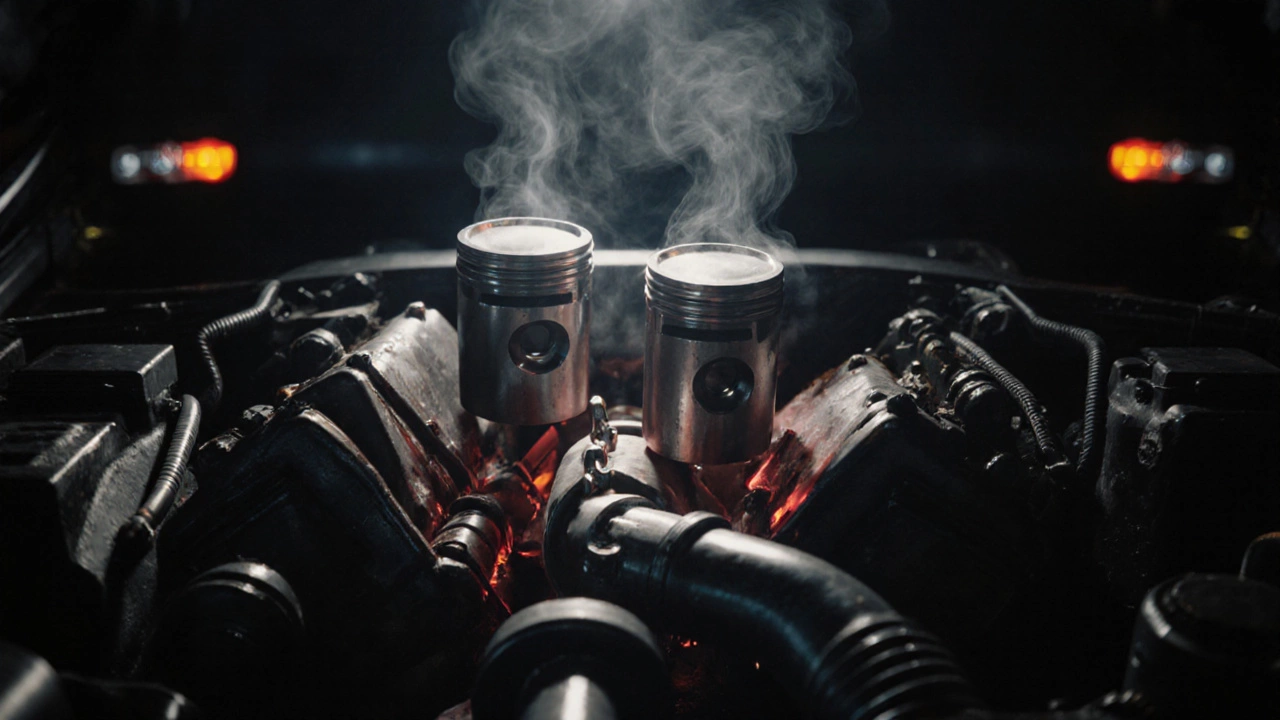 16 November 2025
A car can run without oil for less than five minutes before catastrophic engine failure. Learn how quickly damage occurs, why modern engines die faster, and how to prevent this costly mistake.





©2026 northwichtyrescentre.co.uk. All rights reserved
0