
When talking about filter lifespan, the period a vehicle filter can perform effectively before it needs replacement. Also known as filter service interval, it determines when you should change parts that keep your engine clean and your cabin fresh. The same concept applies to air filters, components that stop dust and pollen from entering the engine, oil filters, devices that capture contaminants in engine oil, and other types like fuel and cabin filters. Knowing the typical lifespan of each helps you avoid costly wear, maintain performance, and stay safe on the road.
Filter lifespan isn’t a one‑size‑fits‑all number; it depends on several attributes. First, the driving environment matters—a dusty rural road will shorten an air filter’s life compared to highway cruising. Second, the filter material itself plays a role; high‑efficiency synthetic media often outlast cheap paper versions. Third, maintenance habits such as regular inspections and timely oil changes directly influence how long oil filters stay effective. Finally, vehicle specifications and manufacturer recommendations set baseline intervals, usually expressed in miles or months. For example, most manufacturers quote around 12,000‑15,000 miles for a standard air filter, while oil filters are often changed every 5,000‑7,500 miles in conventional oil setups. Fuel filters can last up to 30,000 miles in clean‑fuel regions but may need replacement sooner in areas with oily diesel. Cabin filters typically range from 15,000‑20,000 miles, though if you drive with windows down often, you’ll notice a drop in airflow sooner.
Understanding these variables lets you predict when each filter will need attention. A practical rule of thumb is to inspect filters at every oil change: pull the air filter housing, look for dark spots or a clogged feel, and replace if it’s more than 80% covered. For oil filters, watch the oil pressure gauge; a gradual drop after several thousand miles often signals the filter is starving the engine of clean oil. Fuel filters can be checked by monitoring fuel delivery smoothness – any hesitation under acceleration may hint at a clogged filter. Cabin filters are easy to spot; reduced airflow on the defrost setting or a persistent musty smell usually means it’s time for a swap. By linking these observable signs to the underlying lifespan attributes, you can plan replacements before performance suffers.
All the articles on this page dive deeper into each filter type, detailing real‑world mileage, common failure signs, and cost‑effective maintenance tricks. Whether you’re figuring out how often to change a cheap paper air filter or debating the benefits of a premium synthetic oil filter, you’ll find clear, actionable advice. Stick around – the next sections will give you the exact numbers, warning signs, and step‑by‑step checks you need to keep every filter in top shape and extend your car’s overall health.
 14 October 2025
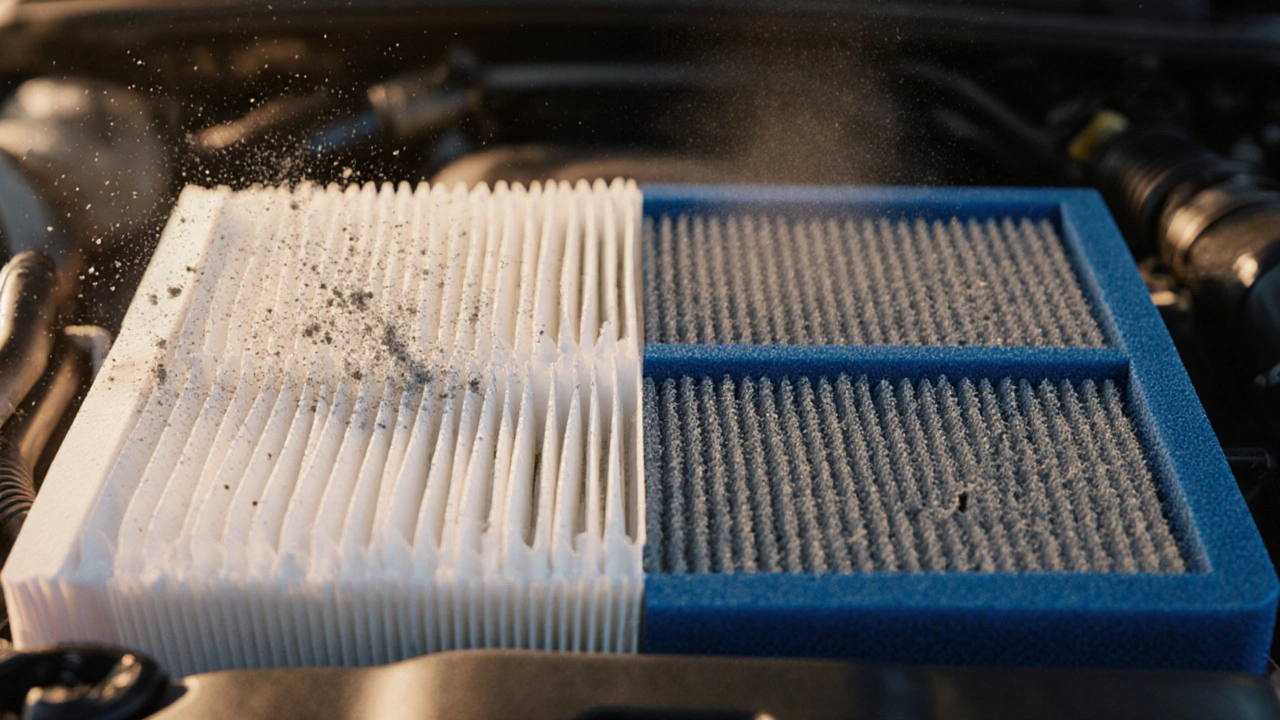
Explore the pros and cons of paper versus washable air filters. Learn which delivers better filtration, cost savings, and fit for your driving conditions.
©2026 northwichtyrescentre.co.uk. All rights reserved



0