Wheel Compatibility & Fitment Checker
Enter your vehicle's required specifications and the details of the alloy wheels you are considering to check for compatibility.
Vehicle Requirements
Alloy Wheel Specs
Compatibility Result:
Quick Summary of the Switch
- Yes, you can replace steel wheels with alloys on almost any vehicle.
- Alloys reduce unsprung weight, which can slightly improve handling and braking.
- You must match the bolt pattern (PCD) and offset exactly to avoid mechanical failure.
- Alloys are generally more expensive and more prone to curb rash than steel.
- Heat dissipation is better with alloys, which helps your brakes stay cool.
Why Bother Making the Switch?
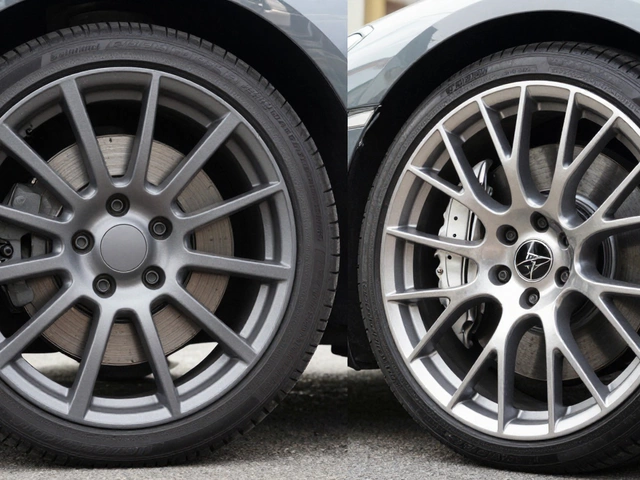
If your car is running fine, why spend hundreds of pounds on new rims? For most people, it's about the look. Steel wheels are functional and cheap, but they're ugly. Alloy wheels let you customize the personality of your car. But beyond the aesthetics, there's a bit of science involved. When you reduce the weight of the wheel, you're reducing what engineers call "unsprung weight." This is the mass of the components not supported by the suspension. A lighter wheel allows the suspension to react faster to bumps in the road, which means your tires stay in contact with the pavement more consistently. You might notice the steering feels a bit sharper when you're taking a corner at a roundabout in Bristol or navigating a tight parking garage. Another big win is heat. Brake discs generate massive amounts of heat during deceleration. Because aluminum conducts heat much better than steel, alloy wheels help dissipate that heat into the air faster. This reduces the risk of brake fade, which is when your brakes lose stopping power because they've overheated during a long descent down a hill.The Critical Measurements You Can't Ignore
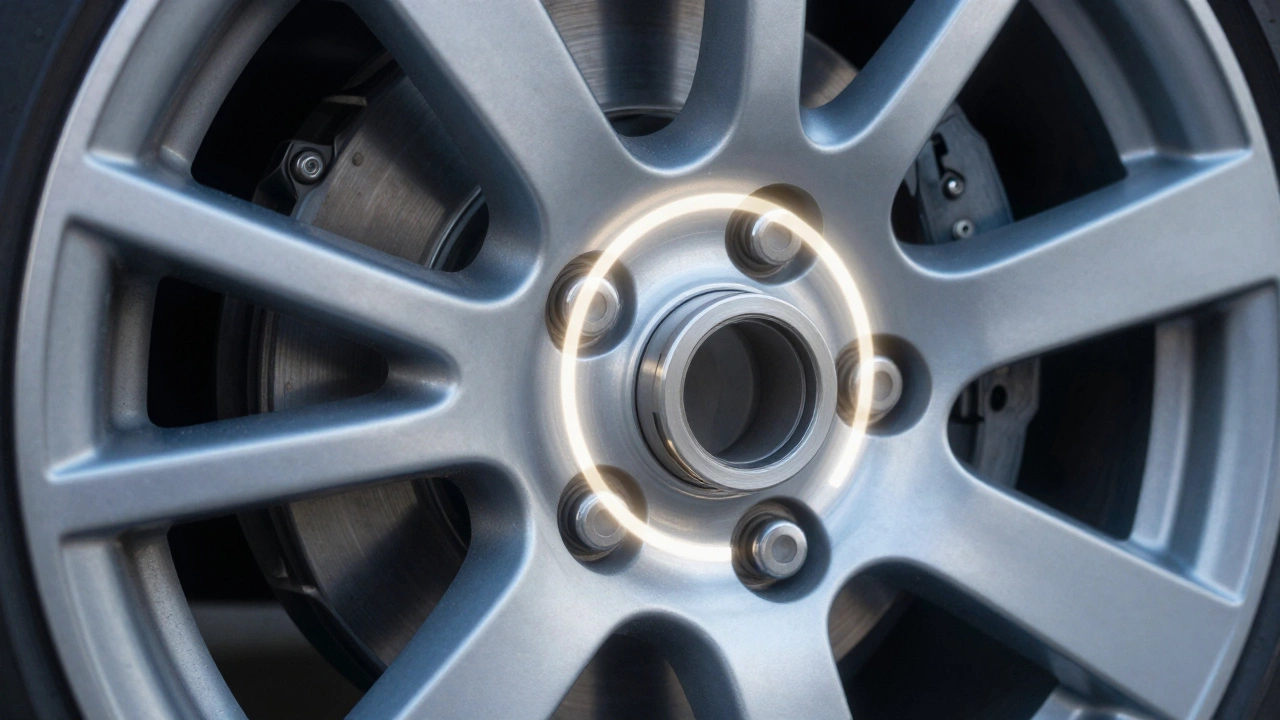
This is where most people mess up. You can't just buy any alloy wheel and expect it to fit. If you ignore these three metrics, you'll end up with a car that's unsafe to drive. First, look at the PCD (Pitch Circle Diameter). This is the distance between the bolts. If your car has a 5x112 pattern (meaning 5 bolts arranged in a circle 112mm wide), and you buy 5x114.3 wheels, they simply will not fit. Forcing them is a great way to strip your threads and ruin your wheel hub. Next is the offset. This is the distance from the hub mounting surface to the centerline of the wheel. If the offset is too low, the wheel will poke out from the fender, which is often illegal and looks like a monster truck. If the offset is too high, the tire might rub against the inner suspension or the brake calipers. Finally, check the center bore. The hole in the middle of the wheel must fit snugly over the hub of your car. If the alloy wheel has a larger bore than your car's hub, you'll need hub centric rings. These are small plastic or metal spacers that fill the gap, ensuring the wheel is perfectly centered. Without them, you'll feel a vibration in the steering wheel at highway speeds that no amount of balancing can fix.| Feature | Steel Wheels | Alloy Wheels |
|---|---|---|
| Weight | Heavy | Lightweight |
| Durability | Bends under impact | Can crack under extreme impact |
| Heat Dissipation | Poor | Excellent |
| Cost | Cheap | Expensive |
| Aesthetics | Plain (requires hubcaps) | Stylized and varied |
Steel vs. Alloy: The Trade-offs
It's not all sunshine and rainbows. While alloys look great, they come with a set of headaches that steel wheels don't have. Take curb rash, for example. If you scrape a steel wheel against a concrete curb, you've just scratched some paint. If you do the same to an alloy wheel, you're gouging the metal. Repairing alloy curb rash requires sanding, filling, and repainting, which can cost a decent chunk of change. Then there's the issue of impact. Steel is ductile, meaning it tends to bend when it hits a massive pothole. A bent steel wheel can often be hammered back into shape or simply replaced for very little money. Alloys, being more brittle, can crack. A crack in a wheel is a catastrophic failure risk; you can't just "patch" a structural crack in a wheel. If you live in an area with roads that look like the surface of the moon, you might actually prefer steel wheels for the winter months.How to Perform the Swap Step-by-Step
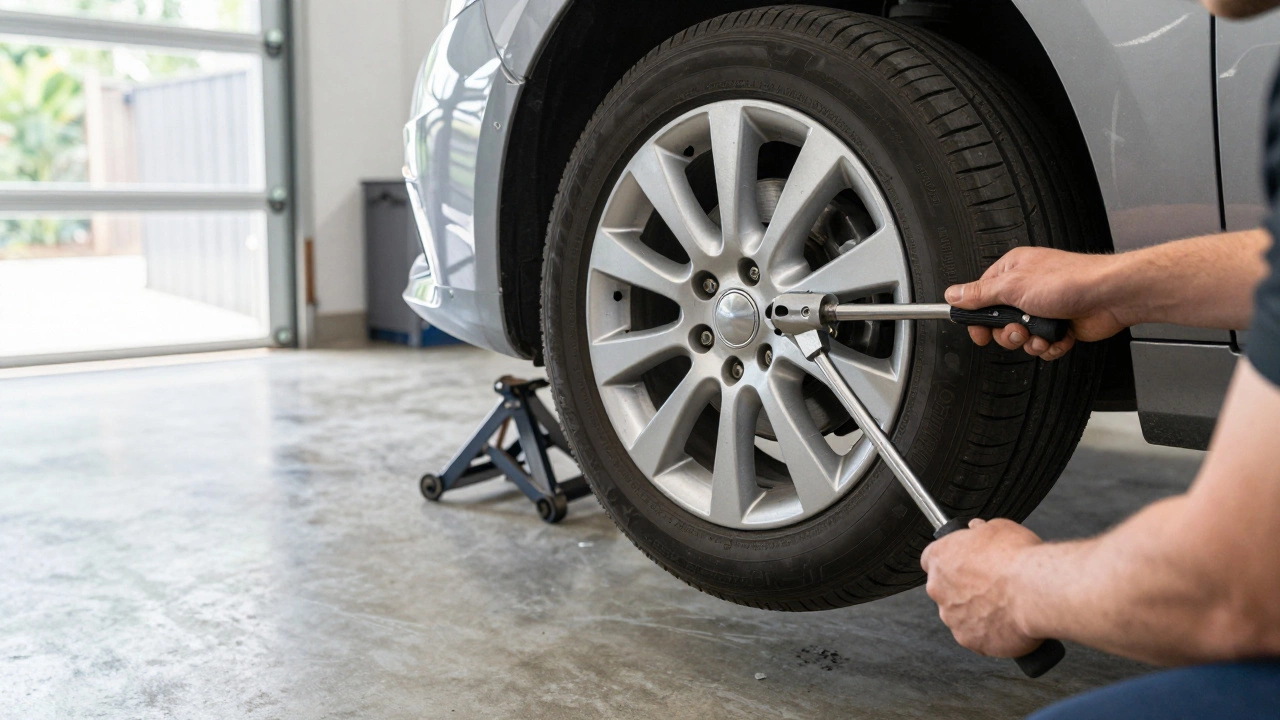
If you've bought the right wheels and have your tools ready, the process is straightforward. You'll need a lug wrench, a jack, and preferably a torque wrench.- Loosen the nuts: While the car is still on the ground, crack the lug nuts loose. Don't take them off yet; just break the initial tension.
- Lift the car: Use a jack to lift the vehicle. Always use jack stands for safety. Never trust a hydraulic jack to hold your car up while you're working on it.
- Remove the old wheel: Unscrew the nuts completely and pull the steel wheel off the hub. This is a good time to inspect your Brake Pads to see if they need replacing.
- Fit the alloy wheel: Slide the new alloy wheel onto the hub. If you're using hub centric rings, make sure they are seated properly in the wheel first.
- Hand-tighten: Screw the lug nuts on by hand. This prevents cross-threading, which is a nightmare to fix.
- Lower and Torque: Lower the car back to the ground. Use a torque wrench to tighten the nuts to the manufacturer's specified torque (usually found in your owner's manual). Tightening them in a star pattern ensures the wheel sits flat against the hub.
Things to Watch Out For After the Upgrade
Once the new wheels are on, don't just drive off and forget about them. For the first 50 to 100 miles, keep an eye on your lug nuts. It's not uncommon for new wheels to "settle," and some nuts can actually loosen slightly. Check them with your wrench after a few short trips to ensure everything is still tight. Also, consider your tire choice. If you've increased the diameter of the wheel (for example, moving from a 15-inch steel wheel to a 17-inch alloy), you'll need lower-profile tires to keep the overall outer diameter of the wheel and tire combination the same. If the total diameter changes, your speedometer will be wrong. If the wheel is too big, the tire might rub against the inner wheel arch when you turn the steering wheel fully to the left or right.Is it Worth the Investment?
If you're someone who loves the way their car looks and wants a slightly more responsive driving experience, the switch to alloys is a no-brainer. It's one of the most impactful visual changes you can make. However, if you use your car as a workhorse, drive on rough construction sites, or simply don't care about aesthetics, the durability and low cost of steel wheels win every time. For many, a middle-ground approach works best: run alloys during the summer to keep the car looking sharp and performing well, and swap back to steel wheels with winter tires during the coldest months. This protects your expensive alloys from road salt and the inevitable winter potholes.Will changing to alloy wheels affect my fuel economy?
Generally, yes, but in a positive way. Because alloy wheels are lighter than steel ones, the engine has less mass to move, which can slightly improve fuel efficiency. However, if you switch to a much wider alloy wheel, the increased air resistance and rolling resistance might cancel out the weight savings.
Do I need to balance my wheels after switching?
Absolutely. Every single wheel and tire combination must be balanced. If the weight isn't distributed evenly around the center of the wheel, you'll feel a vibration in the steering wheel or seat at higher speeds. This vibration can wear out your suspension and tires much faster than normal.
Can I put any tire on an alloy wheel?
No. The tire must be compatible with the wheel's width and diameter. You also need to ensure the tire's load rating is sufficient for your vehicle's weight. Using a tire that is too narrow or too wide for the rim can lead to instability and uneven wear.
Are alloy wheels safer than steel wheels?
In terms of handling and braking, they can be safer because of the weight reduction and better cooling. However, in a severe impact, they are more likely to crack than bend, whereas steel wheels are more forgiving. Neither is inherently "safer," but they behave differently under stress.
What are hub centric rings and do I really need them?
Hub centric rings are spacers used when the center hole of an aftermarket alloy wheel is larger than the hub of the car. They center the wheel perfectly on the axle. Without them, the wheel is held only by the lug nuts (lug centric), which can cause significant vibrations at high speeds.