Brake Rotor Replacement Cost Estimator
Enter details to see your estimate.
You’re driving along, maybe you hear a squeal, or perhaps the steering wheel shakes when you hit the brakes. You take it to the shop, and they tell you the rotors are warped or too thin. Suddenly, your simple pad change turns into a bigger bill. Why? Because replacing brake rotors (also known as discs) is often necessary for safety and performance, but prices vary wildly depending on your car, the part quality, and where you live.
If you’re wondering how much damage this will do to your wallet, you’re in the right place. We’re breaking down the real costs of brake rotor replacement in 2026, what factors drive the price up or down, and when you can actually get away with resurfacing instead of buying new parts. No fluff, just the numbers and the logic behind them.
The Quick Summary: What You’ll Likely Pay
- Parts Only: Expect to pay between £40 and £150 per rotor for standard vehicles. Luxury or high-performance cars can see parts costs jump to £300+ per corner.
- Labor Costs: Mechanics typically charge £50-£90 per hour. A full axle replacement usually takes 1-2 hours.
- Total Replacement (One Axle): For most common cars, budget between £150 and £400 including parts and labor.
- Resurfacing Option: If rotors are thick enough, machining them might save you £50-£100 compared to buying new ones, though this option is disappearing.
Why Are Rotors So Expensive?
It’s easy to look at a chunk of metal and think, "Why does this cost more than my dinner?" But brake rotors aren’t just random discs. They have to handle immense heat-sometimes exceeding 800°C during hard braking-and dissipate it quickly without warping. This requires specific metallurgy, usually cast iron with precise carbon content, or sometimes steel composites for corrosion resistance.
Manufacturing tolerances are tight. If a rotor isn’t perfectly flat, your brakes will pulsate. Add in shipping heavy parts, inventory costs for shops stocking hundreds of different sizes, and the profit margin needed to keep the lights on, and the sticker price starts to make sense. It’s not just metal; it’s engineered safety equipment.
Factors That Swing the Price
Not all rotors are created equal. Your vehicle’s make and model are the biggest drivers of cost. Here’s what changes the number on the invoice:
Vehicle Type and Size
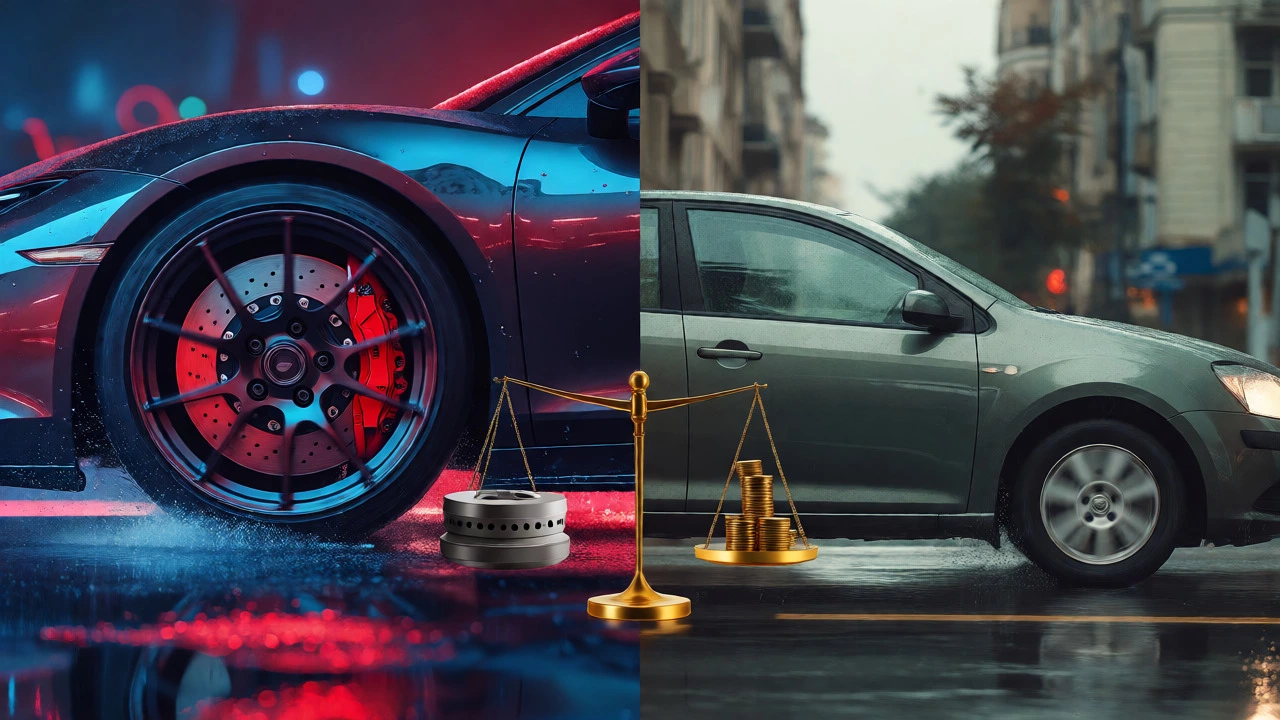
A small city car like a Ford Fiesta uses smaller, lighter rotors that are cheaper to produce and ship. Conversely, a large SUV or a pickup truck needs larger, heavier rotors to stop all that mass. High-performance vehicles (like BMWs, Audis, or sports cars) often use drilled or slotted rotors, which require extra machining steps, increasing the cost. Electric vehicles (EVs) also present a unique case; because they use regenerative braking, their physical rotors last longer but may corrode from lack of use, requiring specialized coatings that add to the price.
Part Quality: OEM vs. Aftermarket
| Rotor Type | Description | Estimated Cost (GBP) | Best For |
|---|---|---|---|
| Economy/Value | Basic cast iron, minimal coating, prone to rust. | £35 - £60 | Older daily drivers, low mileage. |
| Standard/OEM-Equivalent | Matches factory specs, good balance of cost/performance. | £60 - £120 | Most standard passenger cars. |
| Premium/Coated | Corrosion-resistant coating, better heat dissipation. | £120 - £200 | Cars in wet climates, longevity focus. |
| Performance/Drilled | Slotted or drilled for cooling, aesthetic appeal. | £200 - £400+ | Sports cars, modified vehicles. |
OEM (Original Equipment Manufacturer) parts come from the same factory that built your car’s brakes originally. They are guaranteed to fit and perform exactly as designed but carry a brand premium. Aftermarket parts from reputable brands like Brembo, EBC, or Bosch offer similar quality for less money. Avoid the cheapest unbranded options unless you plan to sell the car next month; poor-quality rotors can crack or warp prematurely, costing you double in the long run.
Labor Rates and Location
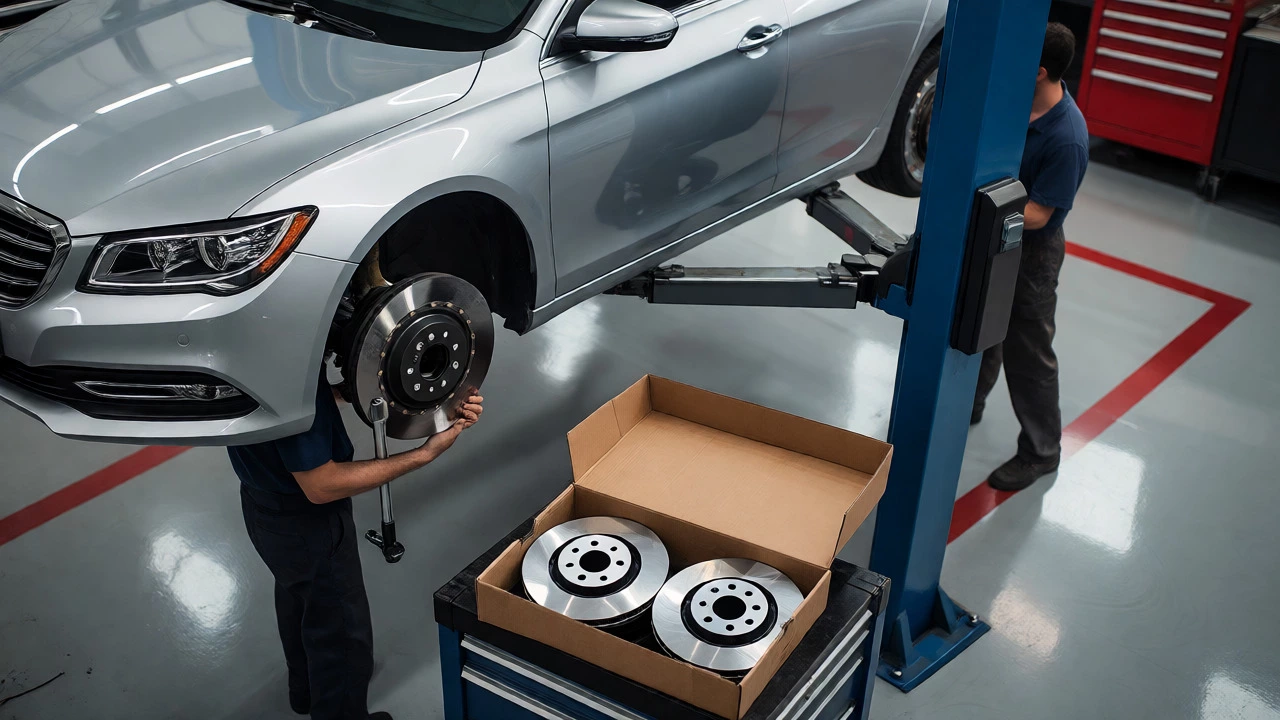
Replacing rotors isn’t overly complex mechanically, but it is time-consuming. The mechanic has to remove the wheel, caliper, bracket, and old rotor, then clean the hub surface before installing the new one. In major cities like London or Bristol, labor rates hover around £70-£90 per hour. In rural areas, you might find independent garages charging £40-£50 per hour. Always ask if the quote includes hardware (bolts, shims), as these are cheap parts but essential for a proper job.
New Rotors vs. Resurfacing: Is Machining Worth It?
For decades, mechanics would take your worn rotors to a lathe, shave off a thin layer of metal to create a fresh, smooth surface, and reinstall them. This was called "resurfacing" or "turning." Today, many manufacturers recommend against this. Why?
Modern cars are lighter, and rotors are thinner to save weight. There is a minimum thickness specification stamped on every rotor. If your current rotors are close to this limit, shaving them down makes them too thin to handle heat safely, leading to faster wear and potential cracking. Plus, modern coated rotors cannot be resurfaced without ruining the protective layer.
The Rule of Thumb: If your rotors have less than 2mm of material above the minimum thickness, replace them. If they are well within spec, resurfacing *might* save you money, but given the low cost of economy rotors, the savings are often negligible compared to the risk of premature failure. Most shops now default to replacement because it’s faster and guarantees a perfect surface finish.
Do You Really Need to Replace Rotors With Pads?
This is the million-dollar question. Not always. If your old rotors are smooth, thick enough, and show no signs of deep scoring or rust jacking, you can technically reuse them. However, here is why mechanics strongly advise replacing them:
- Bedding-In Issues: New pads need to mate with a fresh surface. Old grooves in used rotors prevent even contact, causing noise and reduced stopping power.
- Heat Management: Worn rotors are thinner and hold less heat, making them more likely to fade during emergency stops.
- Warranty: Many pad warranties require rotor replacement to remain valid.
If you’re doing a DIY job and want to save cash, inspect the rotors closely. Run your fingernail across the surface. If it catches significantly, or if you see blue spots (heat checking), buy new rotors. It’s a false economy to skip them if they’re marginal.
DIY vs. Professional Installation
Can you do this yourself? Yes, if you have basic tools. You’ll need a jack, stands, lug wrench, socket set, C-clamp (for rear calipers), and a torque wrench. The main challenge is seizing bolts. Rust can lock the caliper bracket bolts, requiring penetrating oil and patience.
Professional installation adds labor cost but includes expertise. They ensure the hub is cleaned properly (a tiny speck of rust can cause vibration) and torque everything to spec. If you’re unsure about your ability to bleed the brakes afterward (especially on rear-wheel-drive cars with integrated handbrakes), paying the labor fee is worth the peace of mind.
Tips to Extend Rotor Life
Once you’ve paid for new rotors, try to make them last. How?
- Engine Braking: Use lower gears to slow down instead of riding the brakes on highways or hills.
- Avoid Aggressive Stops: Slamming the brakes generates extreme heat. Smooth, progressive pressure is kinder to components.
- Keep Them Clean: Wash your wheels regularly to remove brake dust, which contains corrosive particles.
- Drive Regularly: If you leave your car sitting for weeks, moisture builds up on the rotors, causing surface rust. Short drives help burn this off.
Frequently Asked Questions
How many miles do brake rotors last?
Typically, front rotors last between 30,000 and 70,000 miles, while rear rotors can last 50,000 to 100,000 miles. Factors like driving style, vehicle weight, and climate significantly impact this range. City driving with frequent stops wears them out faster than highway cruising.
Can I replace only one rotor?
You should always replace rotors in pairs (both front or both rear). Replacing just one creates an imbalance in braking force, which can pull the car to one side during stops and put uneven stress on the suspension and ABS system.
Are expensive rotors worth it?
For daily driving, mid-range aftermarket rotors are usually sufficient. Premium rotors are worth the investment if you tow heavy loads, drive aggressively, live in a coastal area with salt air (corrosion protection), or own a high-performance vehicle. Economy rotors are fine for older cars with low resale value.
What causes rotors to warp?
Rotors don't technically "warp" from heat alone; they develop uneven deposits of pad material (transfer film) due to excessive heat followed by rapid cooling. This creates a high spot that causes pulsation. Hard braking followed by parking immediately can exacerbate this issue.
Do electric cars need rotor replacements?
Yes, but less frequently. EVs rely heavily on regenerative braking, so mechanical brakes are used less. However, this lack of use leads to corrosion buildup. Some EV owners report needing rotor replacements sooner than expected due to rust rather than wear.
Next Steps: Getting the Best Deal
Before you book an appointment, call three local shops. Ask specifically for a quote on "parts and labor for front rotor and pad replacement." Be clear about whether you want OEM or aftermarket parts. If you’re handy, check online retailers for part prices first, then ask the mechanic if they’ll install customer-supplied parts (some won’t warranty their work if they didn’t supply the parts).
Remember, brakes are your primary safety feature. Don’t choose the absolute cheapest option if it compromises quality. A safe stop is priceless, but a fair price is achievable with a little research.