Fuel Pump Replacement Cost Estimator
Estimated Total Cost
Price Positioning
There is nothing worse than being stuck on the side of the M4 with a dead engine and a bill you didn't expect. If your car is struggling to start, stalling at high speeds, or making a loud whining noise from the rear, your fuel pump is likely failing. But before you hand over your keys, you need to know exactly what you are paying for. In 2026, the cost to replace a fuel pump varies wildly depending on whether you drive a budget hatchback or a luxury SUV, and where you get it fixed.
The short answer? Expect to pay between £300 and £800 for most standard cars. For premium brands or vehicles with in-tank assemblies that require complex removal, that figure can easily climb past £1,200. Let’s break down why the prices vary so much and how you can avoid getting ripped off.
Why Fuel Pump Prices Vary So Much
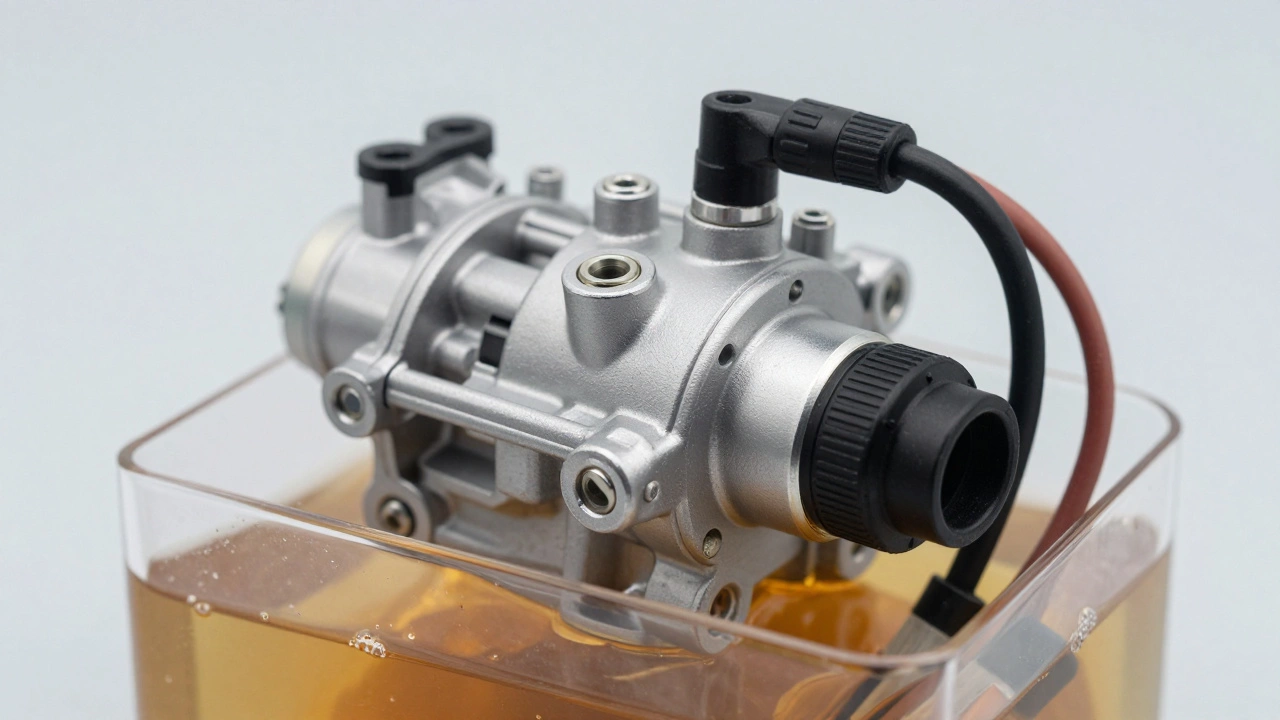
You might wonder why one mechanic quotes you £400 while another asks for £900 for the same job. It isn’t just greed; it’s about accessibility and parts quality. The fuel pump is not always a simple bolt-on component. In many modern cars, the pump is part of a larger module submerged in the fuel tank. This is called a fuel sender unit or fuel pump assembly.
If your car has an accessible panel under the rear seat, the job takes an hour. If the mechanic has to drop the entire fuel tank-which requires draining the fuel, supporting the tank, and disconnecting suspension components-the labor time doubles or triples. Labor rates in the UK have risen significantly since 2024. Independent garages now charge between £75 and £120 per hour, while main dealerships often exceed £150 per hour. This difference alone can swing your final bill by hundreds of pounds.
Breakdown of Costs: Parts vs. Labor
To understand the total cost, we need to separate the hardware from the service. Here is what goes into the invoice.
| Cost Component | Independent Garage | Main Dealer |
|---|---|---|
| OEM Part Price | £80 - £250 | £150 - £400 |
| Aftermarket Part Price | £40 - £120 | N/A (Usually OEM only) |
| Labor Rate (Per Hour) | £75 - £110 | £130 - £180 |
| Estimated Labor Time | 1 - 3 hours | 2 - 4 hours |
| Total Estimated Cost | £250 - £600 | £500 - £1,200+ |
Note that these figures exclude VAT if quoted separately, though most consumer invoices include the 20% tax. Also, if your vehicle requires a new fuel filter as part of the service (common in diesel models), add another £50-£100 to the parts cost.
Signs You Need a Replacement Soon
Catching the issue early can save you money. A failing fuel pump doesn’t usually die instantly; it gives warnings. If you ignore these signs, you risk damaging other expensive components like the catalytic converter or leaving yourself stranded.
- Whining Noise: Listen for a high-pitched squeal coming from the rear of the car when you turn the ignition on. This indicates the pump motor is wearing out.
- Loss of Power: If the car hesitates or surges when you accelerate, especially uphill, the pump may not be delivering consistent pressure.
- Difficulty Starting: If the engine cranks but won’t catch, or takes multiple attempts to start, the fuel delivery system is suspect.
- Engine Stalling: Sudden stalling at idle or low speeds suggests the pump is overheating or clogged.
If you experience any of these, do not wait. Driving with a weak fuel pump forces the engine to run lean, which increases combustion temperatures and can lead to catastrophic engine failure.
DIY vs. Professional Installation
Can you do this yourself? Technically, yes. Many older cars have easy access panels under the trunk floor or rear seats. However, working with fuel systems carries risks. You are dealing with flammable vapors and pressurized lines. One mistake can cause a fire or a massive fuel leak.
If you choose DIY, you must:
- Disconnect the battery to prevent sparks.
- Relieve the fuel system pressure before removing any lines.
- Work in a well-ventilated area away from open flames.
- Use proper tools to remove the electrical connector and retaining ring without stripping threads.
For most drivers, the risk outweighs the savings. The parts are cheap enough that paying a professional ensures the job is done right, with a warranty on both parts and labor. If you void your warranty by installing a non-OEM part incorrectly, you could face thousands in repairs later.
Hidden Costs to Watch For
When you get a quote, ask specifically about these potential extras:
- Fuel Filter Replacement: Mechanics often recommend replacing the filter simultaneously. This is good advice but should be optional unless the old one is visibly contaminated.
- O-Rings and Seals: New pumps come with seals, but if the mating surfaces are damaged, you may need new gaskets.
- Tank Removal Fees: Some quotes assume easy access. Confirm if the tank needs to be dropped. If it does, ensure the quote includes reinstallation and refueling.
- Diagnostics Fee: Reputable shops charge a small fee (£30-£50) to diagnose the problem. Ask if this is waived if you proceed with the repair.

Extending Your Fuel Pump Life
A fuel pump typically lasts between 100,000 and 150,000 miles. You can extend its life with simple habits:
- Keep the Tank Above Quarter Full: The fuel cools the pump. Running on empty causes the pump to overheat and wear out faster.
- Use Quality Fuel: Contaminants in low-grade fuel can clog the pump’s internal screen. Stick to reputable stations.
- Replace Fuel Filters Regularly: A clogged filter forces the pump to work harder, increasing strain on the motor.
These small steps can add years to your pump’s lifespan, saving you from unexpected breakdowns and costly emergency repairs.
Choosing the Right Mechanic
Not all garages are created equal. Look for shops with specific experience in your vehicle make. Main dealerships offer genuine parts and factory-trained technicians but come at a premium. Independent specialists often provide better value, using high-quality aftermarket or OEM-equivalent parts. Always check reviews and ask for a detailed written estimate before authorizing work.
If your car is under warranty, stick to the dealer to avoid voiding coverage. For older vehicles, an independent specialist is usually the smarter financial choice. Remember, the cheapest quote isn’t always the best. Lowball prices often hide poor-quality parts or inexperienced labor that leads to repeat failures.
How long does a fuel pump replacement take?
Most replacements take 1 to 3 hours. If the fuel tank must be removed, it can take up to 4 hours. Complex luxury vehicles may require more time due to tight packaging and additional safety protocols.
Is it safe to drive with a bad fuel pump?
No. Driving with a failing fuel pump risks sudden stalling, which can be dangerous in traffic. It also strains the engine and can damage other fuel system components, leading to higher repair costs.
Should I use OEM or aftermarket parts?
OEM (Original Equipment Manufacturer) parts guarantee fit and performance but cost more. High-quality aftermarket brands (like Bosch or Denso) are reliable and cheaper. Avoid unknown generic brands, as they often fail prematurely.
Does replacing the fuel pump fix starting problems?
If the fuel pump is the root cause, yes. However, starting issues can also stem from batteries, alternators, or ignition systems. A proper diagnostic test confirms the pump is faulty before replacement.
How much does a fuel pump cost for a BMW or Mercedes?
Luxury brands often cost £800 to £1,500+ due to higher labor rates and expensive proprietary parts. These vehicles frequently require specialized tools and software resets after replacement.