Brake Pad Safety Calculator
Brake Pad Check
Safety Analysis
Driving with bad brake pads isn’t just risky-it’s a gamble you can’t afford to lose. You might think you can squeeze out a few more miles before replacing them, but your brakes aren’t like a worn-out tire or a noisy exhaust. When brake pads wear down, you’re not just reducing stopping power-you’re putting your life and everyone else’s on the line.
What Happens When Brake Pads Wear Out?
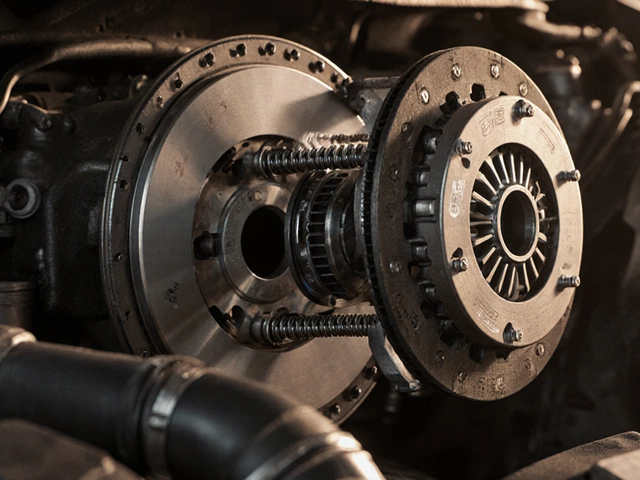
Brake pads are the part that actually rubs against the rotor to slow your car. They’re made of a friction material designed to handle extreme heat and pressure. Over time, that material wears away. When they’re new, they’re about 12 to 14 millimeters thick. Once they drop below 3 millimeters, you’re in danger zone. Most mechanics agree: if your pads are under 4 mm, replace them now.
As they wear, you’ll start noticing warning signs. A high-pitched squealing noise? That’s the metal wear indicator scraping against the rotor. A grinding sound? That’s the metal backing plate of the pad grinding directly into the rotor. That’s not just noise-that’s damage. And once the rotor gets scored or warped, you’re looking at a $500+ repair instead of a $150 pad replacement.
How Bad Brakes Affect Stopping Distance
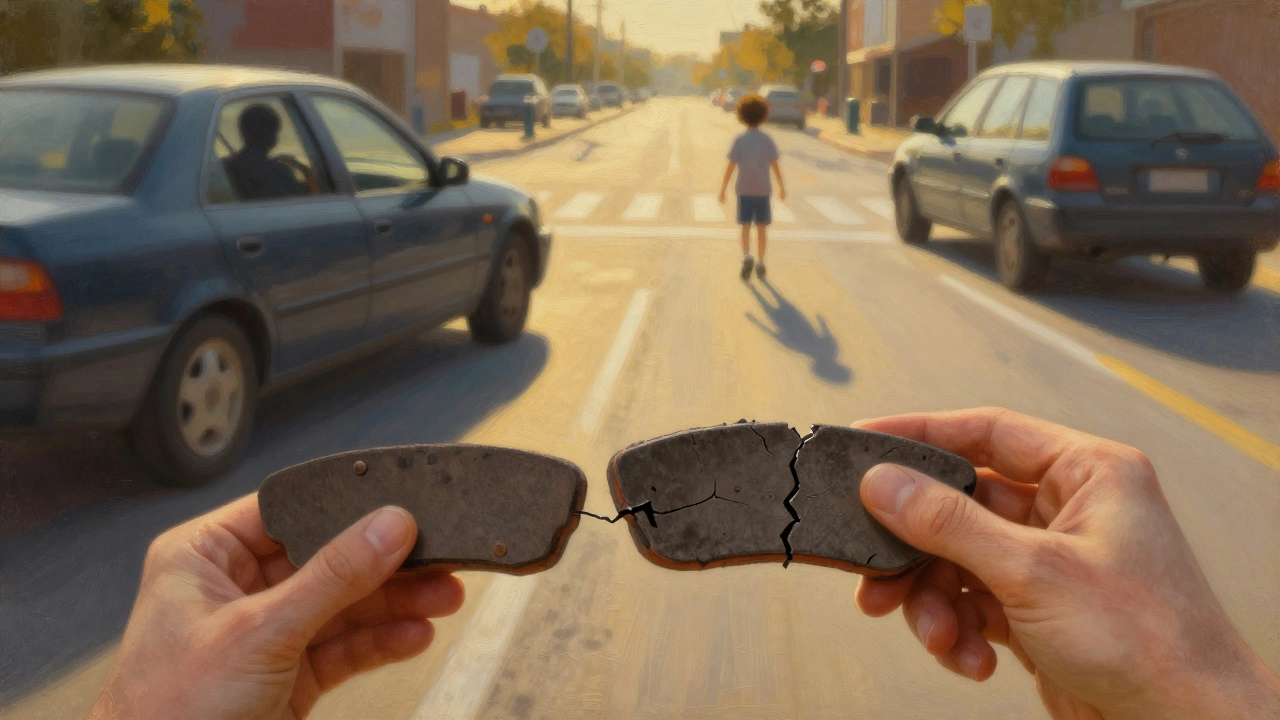
Think you can stop in time? You’re probably wrong. Studies from the Insurance Institute for Highway Safety show that worn brake pads can increase stopping distance by up to 40% at highway speeds. That’s like adding the length of a school bus to your stopping distance. At 60 mph, a car with new pads stops in about 130 feet. With severely worn pads? It takes nearly 185 feet. That extra 55 feet could be the difference between avoiding a crash and hitting a stopped car, a child, or a pedestrian.
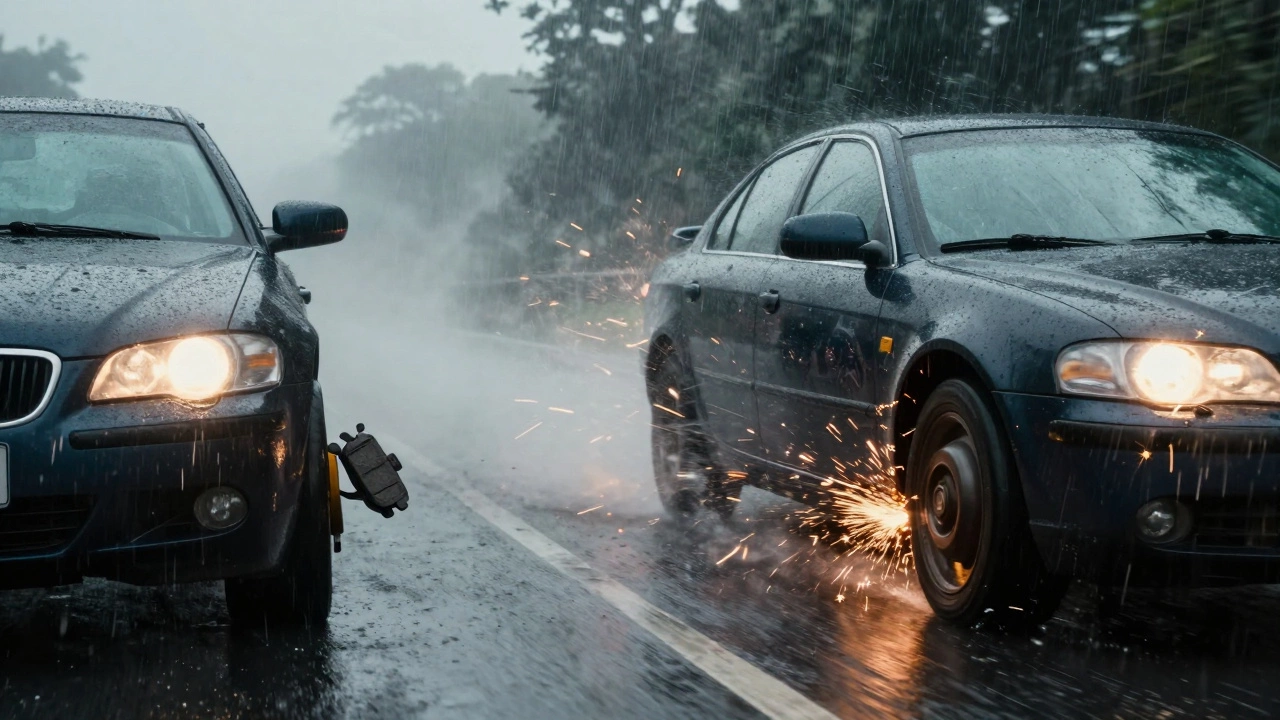
It’s not just about speed. Wet roads make it worse. Worn pads don’t clear water as effectively, leading to brake fade and longer delays before the pads even make contact with the rotor. In heavy rain, that delay can be half a second or more-long enough to lose control.
What Else Gets Damaged?
Driving with bad brake pads doesn’t just hurt your stopping power-it ruins other parts. The rotors, which can cost $100 to $300 each to replace, get warped or grooved when metal hits metal. Calipers can seize up. Brake fluid lines can overheat and leak. And if you ignore it long enough, you’ll end up replacing the entire braking system instead of just the pads.
Some drivers think they can wait until the brake light comes on. But that light usually only triggers when the pads are almost completely gone-sometimes after the rotors are already damaged. Waiting for the light is like waiting for the smoke alarm to go off before you put out a kitchen fire.
Legal and Insurance Consequences
It’s not just about safety. In most states, driving with brakes that don’t meet minimum standards is a citation-worthy offense. Police can pull you over for squealing brakes or visibly worn pads during a traffic stop. In some places, your car won’t pass inspection if the pads are below 2 mm.
And if you get in an accident because your brakes failed? Your insurance company might deny your claim. They’ll look at maintenance records. If your brake pads were known to be worn and you didn’t replace them, they could argue you were negligent. That means you pay for repairs, medical bills, and even legal fees out of pocket.
How Long Can You Really Drive With Bad Pads?
Some people say, “I drove for three months with worn pads and nothing happened.” Maybe. But you’re not a statistic-you’re a person. That person who drove three months with bad pads? They were lucky. Someone else with the same mileage might have hit a curve, a sudden stop, or a slippery patch. Luck isn’t a maintenance strategy.
There’s no safe “grace period.” Once you hear grinding, feel vibration in the pedal, or notice the car pulling to one side when braking, you’re already in emergency territory. If your pads are below 3 mm, don’t drive the car until they’re replaced. Period.
How to Check Your Brake Pads Yourself
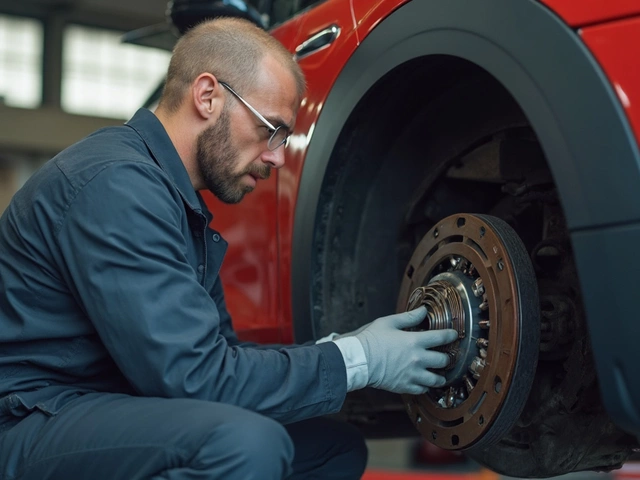
You don’t need a mechanic to check your pads. Here’s how:
- Look through the spaces between your wheel spokes. You should see the brake rotor and the pad against it.
- Use a flashlight if it’s dark. The pad should look like a thick, even strip of material.
- Measure the thickness. If it’s thinner than a quarter (about 4 mm), get them checked.
- If you see metal showing through or deep grooves, replace them immediately.
Do this once a month. It takes 30 seconds. It could save you thousands.
What to Do If You Realize Your Pads Are Bad
If you’ve been driving with bad brake pads, here’s what to do right now:
- Stop driving the car if you hear grinding or feel the pedal sinking.
- Call a trusted mechanic or tow service. Don’t risk driving further.
- Get a full brake inspection. Rotors, calipers, and fluid lines need checking too.
- Replace pads with quality aftermarket or OEM parts. Cheap pads wear faster and perform worse.
Don’t wait for a breakdown. Don’t wait for an accident. Brake pads are a simple, predictable, and cheap fix-until they’re not.
How Often Should You Replace Brake Pads?
There’s no one-size-fits-all answer, but most drivers need new pads every 30,000 to 70,000 miles. It depends on:
- Your driving style (city driving wears pads faster than highway cruising)
- Vehicle weight (heavier SUVs and trucks wear pads quicker)
- Brake pad material (ceramic lasts longer than organic)
- Climate (hot, humid areas accelerate wear)
As a rule of thumb: if you haven’t checked them in a year or 12,000 miles, you’re overdue. Keep a log. Write down your last replacement date. Set a calendar reminder. This isn’t optional maintenance-it’s life-saving.
Final Reality Check
You can’t drive safely with bad brake pads. No matter how careful you think you are, no matter how short the trip, no matter how much you "just need to get there." Brakes don’t fail slowly-they fail suddenly. And when they do, you won’t have time to react.
Replacing brake pads isn’t a luxury. It’s not something you do when you feel like it. It’s as essential as checking your tire pressure or changing your oil. And it’s far cheaper than the alternative.
If you’re unsure, get them checked. If they’re worn, replace them. Don’t gamble with your life.