
Keeping a car in good shape feels like a never‑ending list, but the basics are easier than you think. A few regular checks can stop costly breakdowns and keep your ride safe. Below you’ll find a quick‑action plan that covers the most common parts you’ll hear about on our blog—spark plugs, brake pads, radiators, suspension and tyres.
Start with the items that tell you when something’s wrong. Look at the dashboard for warning lights, listen for odd noises, and feel for vibrations. A squealing brake pedal usually means the pads are wearing thin. If the engine coughs when you start it, the spark plugs might be due for a clean or replacement. Simple visual checks on the tyre tread depth and air pressure can boost fuel economy and handling in one go.
When you notice a change—like slower acceleration, a rough idle, or the steering pulling to one side—don’t ignore it. Those symptoms often point to a specific part that needs attention. For example, a slipping clutch will make gear changes feel mushy, while a clogged fuel injector will cause misfires and lower power.
Spark plugs ignite the fuel‑air mix. Over time they wear out, leading to poor fuel efficiency and hard starts. Most modern plugs last 30 000‑50 000 km, but if you hear a rough idle or notice a drop in mileage, it’s time for a check. Replacing them is a cheap way to restore engine smoothness.
Brake pads are your safety net. Worn pads reduce stopping power and can damage rotors, which is far more expensive to fix. Replace pads before the wear indicator hits the metal. A quick test: press the brake pedal firmly while parked—if it feels spongy, the fluid might be low or pads need attention.
Radiators keep the engine cool. Overheating usually means a leak, a clogged core, or low coolant. Look for steam, a sweet smell, or a sudden rise in temperature gauge. Flushing the cooling system every two years helps prevent corrosion.
Suspension components—shocks, springs, and bushings—affect ride comfort and tyre wear. Bumpy roads, uneven tyre wear, or a clunking sound when you go over bumps signals a problem. Tightening loose bolts or swapping out worn shocks can restore handling and keep the tyre life longer.
Tyres are the only contact point with the road. Check pressure monthly; under‑inflated tyres wear on the edges and waste fuel. Rotate tyres every 10 000 km to even out wear, and replace them when tread depth drops below 1.6 mm. If you notice a bulge or vibration at higher speeds, stop driving and get the tyre inspected.
All these checks don’t need a mechanic every time. With a basic tool kit—torque wrench, tyre gauge, and a flashlight—you can handle most inspections yourself. When you’re unsure, Northwich Tyres Centre can quickly diagnose and fix the issue, saving you both time and money.
Remember, regular maintenance is an investment. It prevents surprise breakdowns, extends the life of expensive parts, and keeps your car running efficiently. Set a reminder for the key tasks—oil change, tyre rotation, brake inspection—so nothing slips through the cracks. Your car will thank you with smoother rides and lower running costs.
 22 February 2026
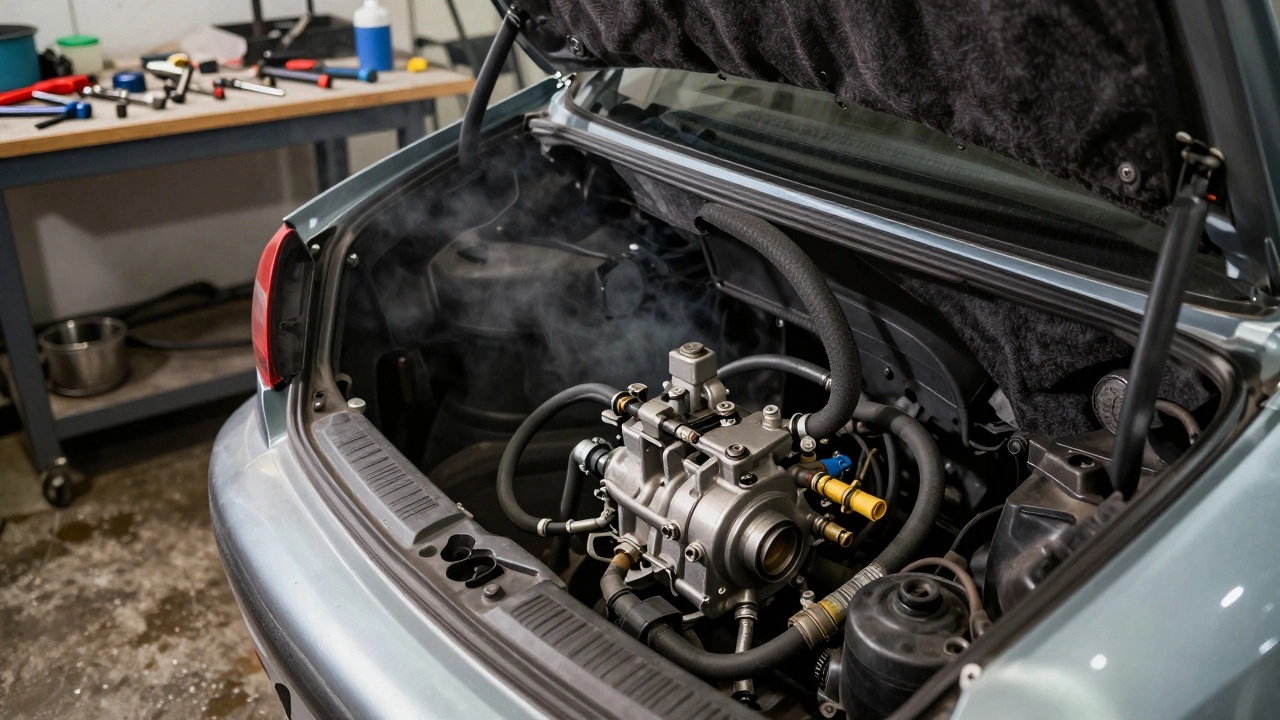
Replacing a fuel pump isn't a simple fix - it's often a time-consuming, messy job that requires access to the fuel tank. Here's what you need to know about the difficulty, cost, and risks of doing it yourself.
 8 February 2026
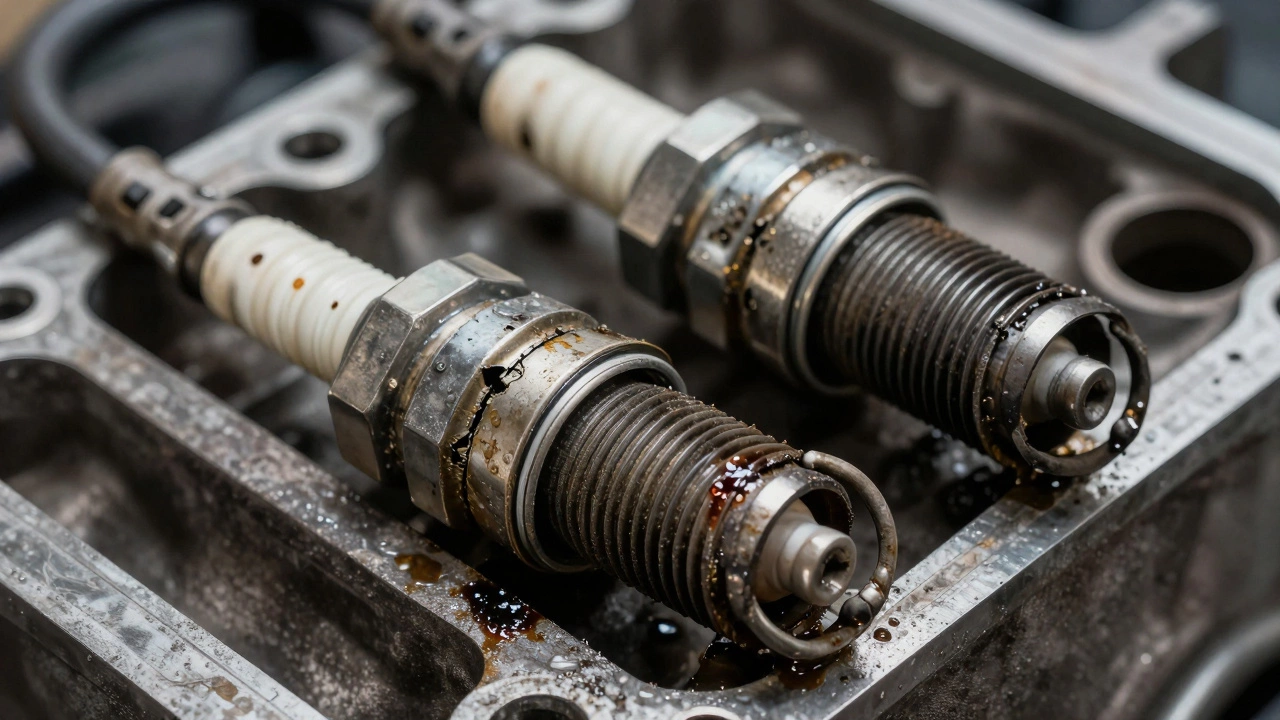
Bad spark plugs can cause serious engine damage, including catalytic converter failure, warped valves, and even engine rebuilds. Don't wait for a breakdown-replace them on schedule to avoid costly repairs.
 2 February 2026
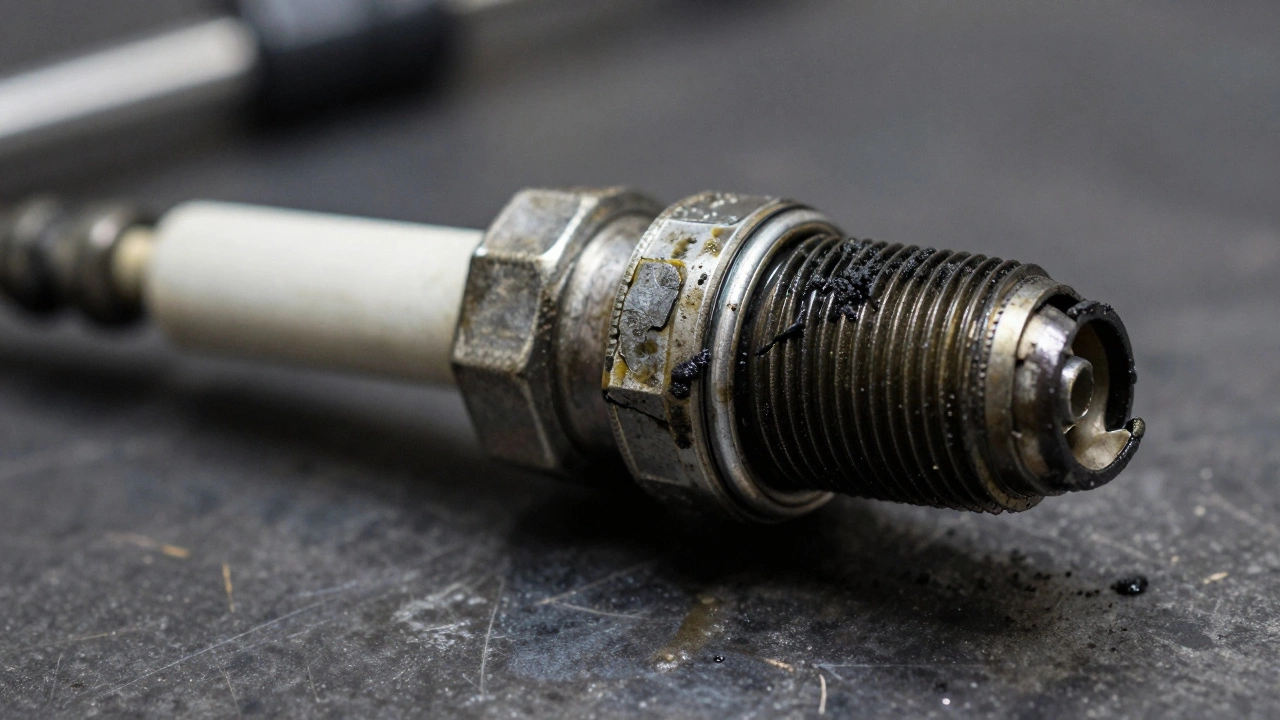
Learn the top signs your spark plugs need replacing-misfires, poor fuel economy, hard starts, and unusual noises. Know when to act before costly damage occurs.
 25 January 2026
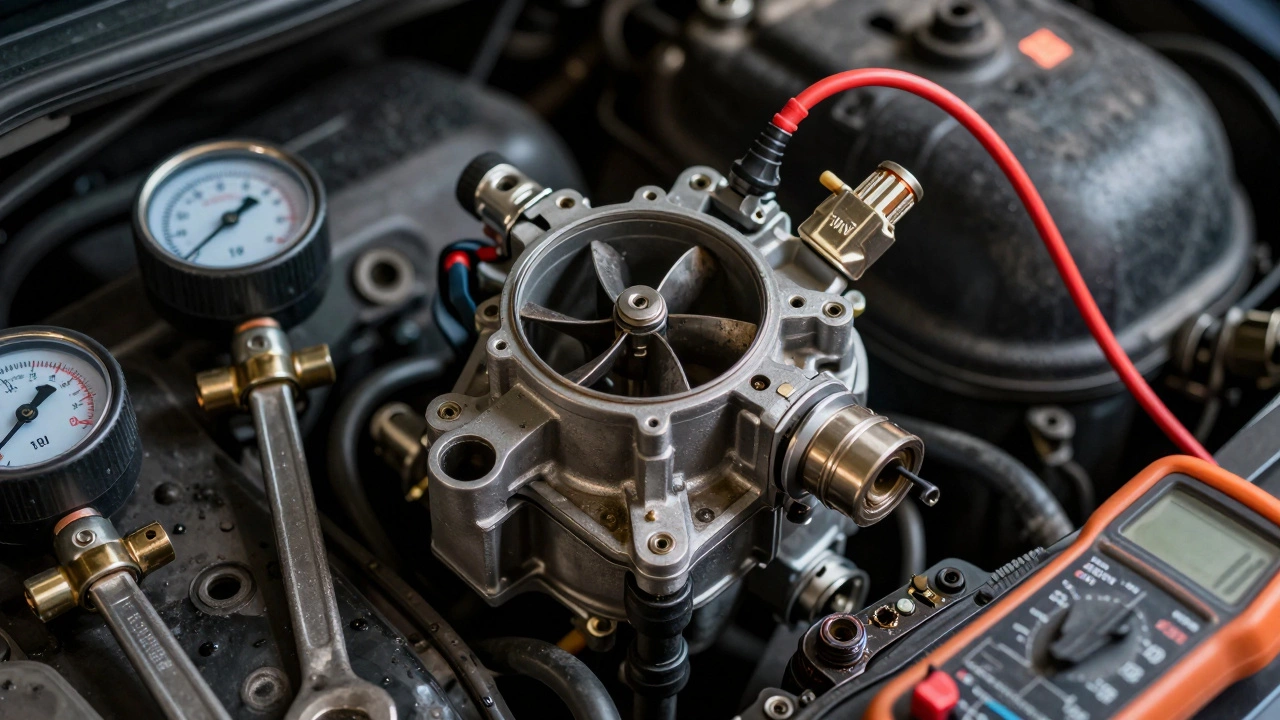
Learn which diagnostic codes point to a failing fuel pump, how to test for it, and what to do before replacing it. Avoid costly mistakes with real-world examples and step-by-step checks.
 15 January 2026
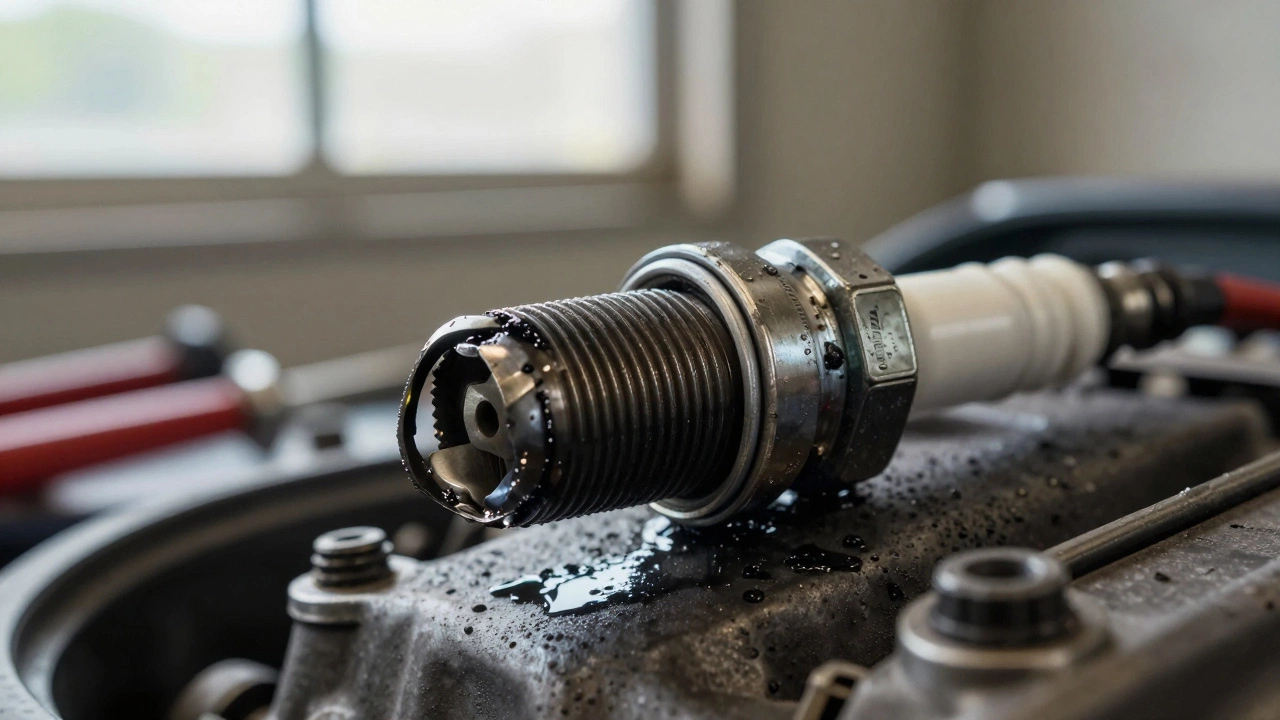
Bad spark plugs can absolutely prevent your car from starting. Learn the signs, how to check them yourself, and why ignoring them can cost you far more than a simple replacement.
 4 January 2026
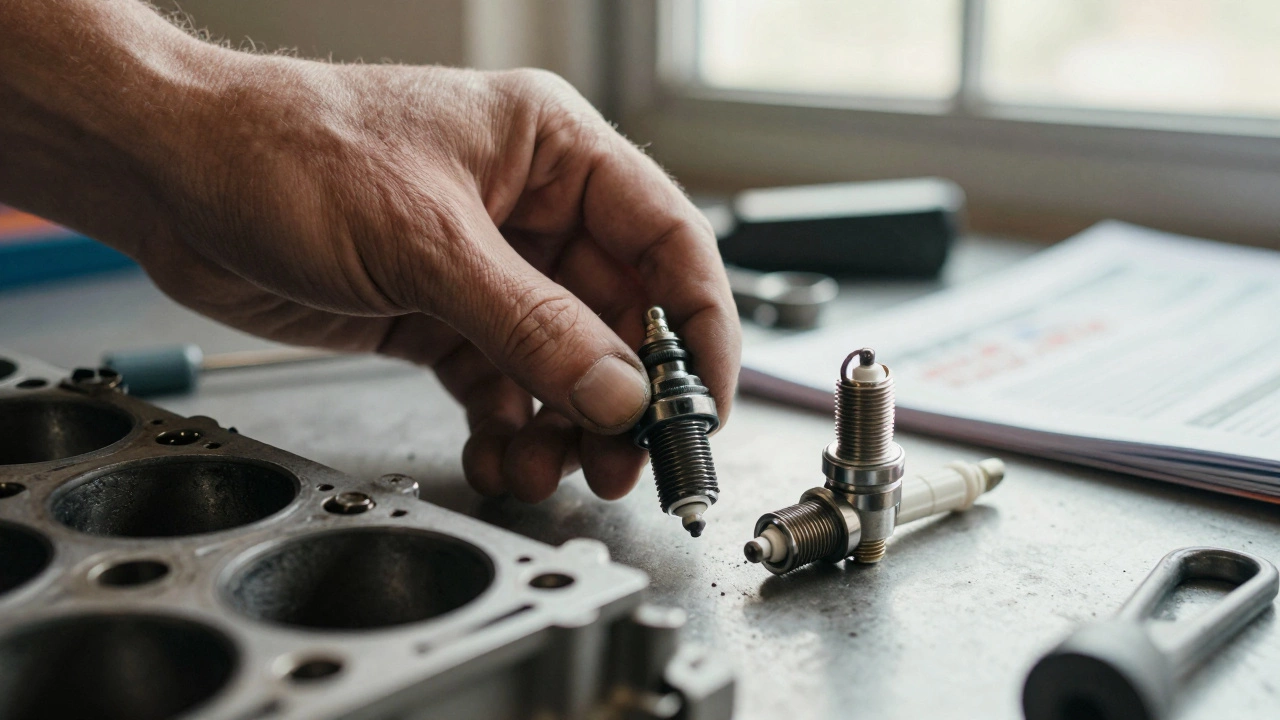
Replacing worn spark plugs restores engine responsiveness and smoothness - not by adding power, but by fixing what was broken. Here's what actually changes after a plug swap.
 21 December 2025
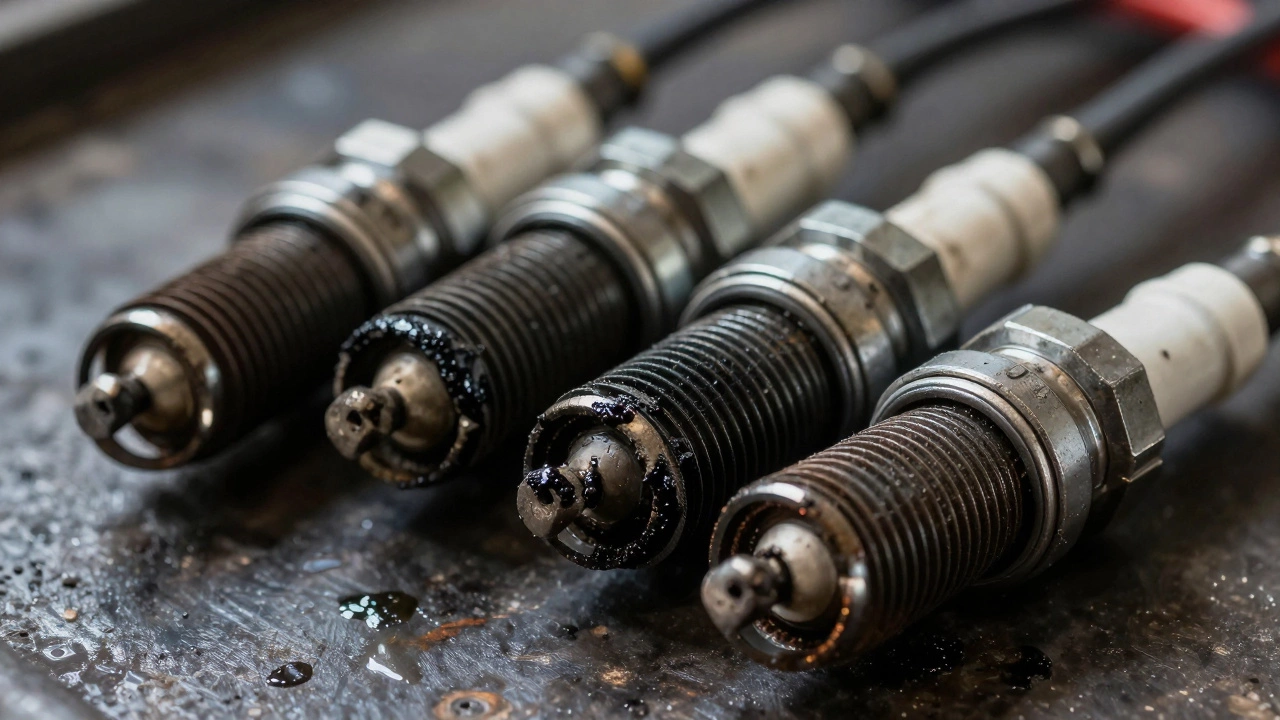
Changing spark plugs can fix a rough idle if the old ones were worn or fouled. Learn how spark plugs affect engine idle, when replacement helps, and what else to check if the problem persists.
 4 December 2025
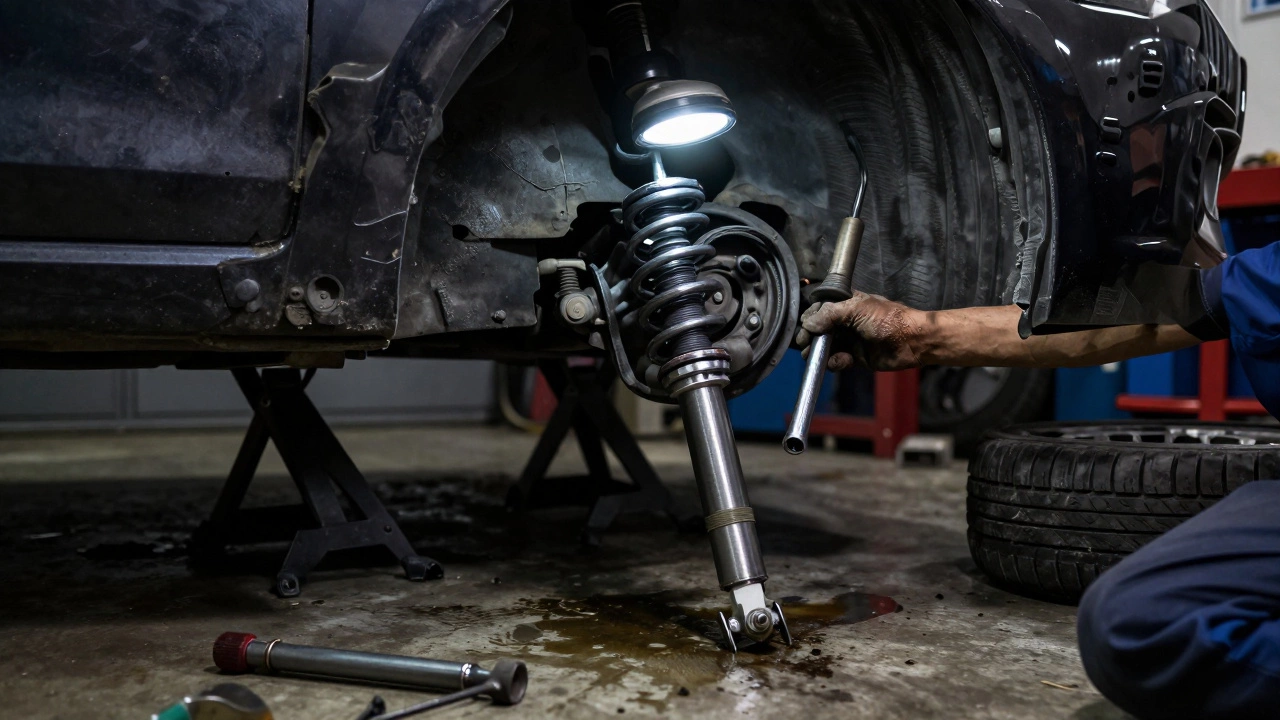
Learn how to diagnose and fix a bad car suspension with step-by-step guidance on replacing shocks, struts, ball joints, and bushings. Save money and stay safe with proven DIY tips and part recommendations.
 1 December 2025
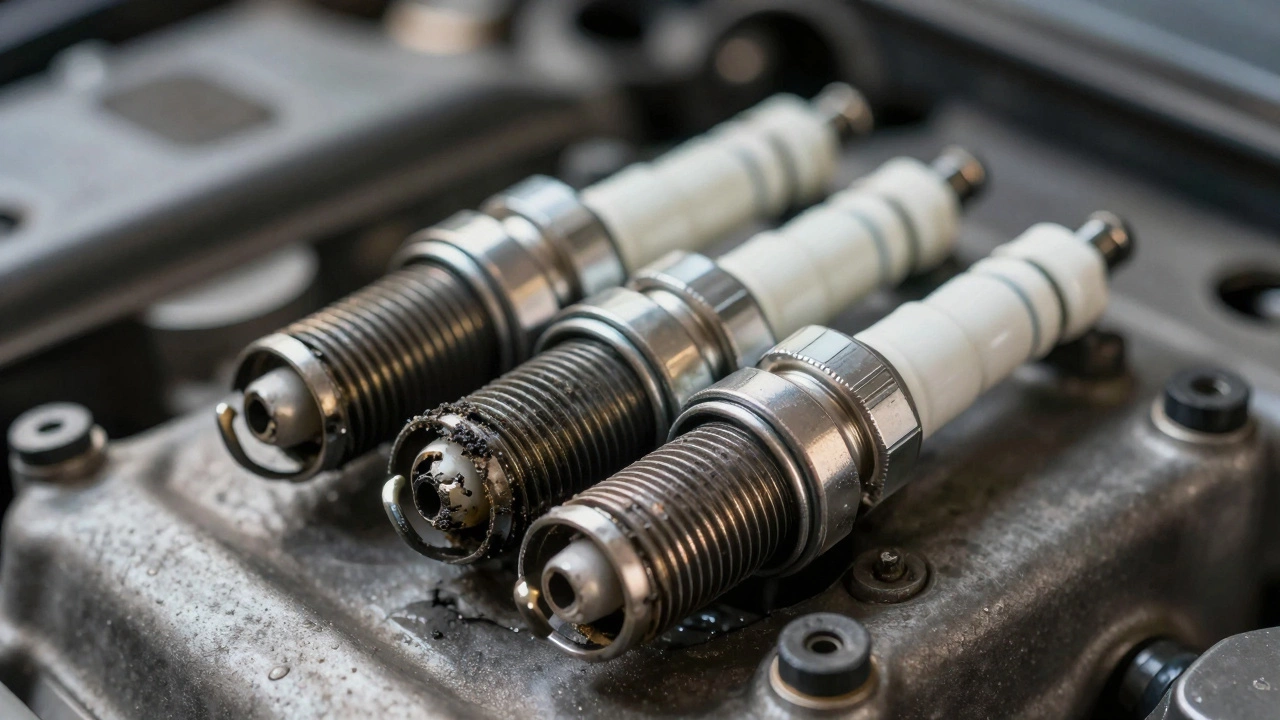
Spark plugs typically last 3 to 10 years depending on type and driving habits. Copper plugs need replacing every 2 years, platinum every 5, and iridium up to 10. Watch for misfires and poor fuel economy-signs your plugs are failing.
 1 December 2025
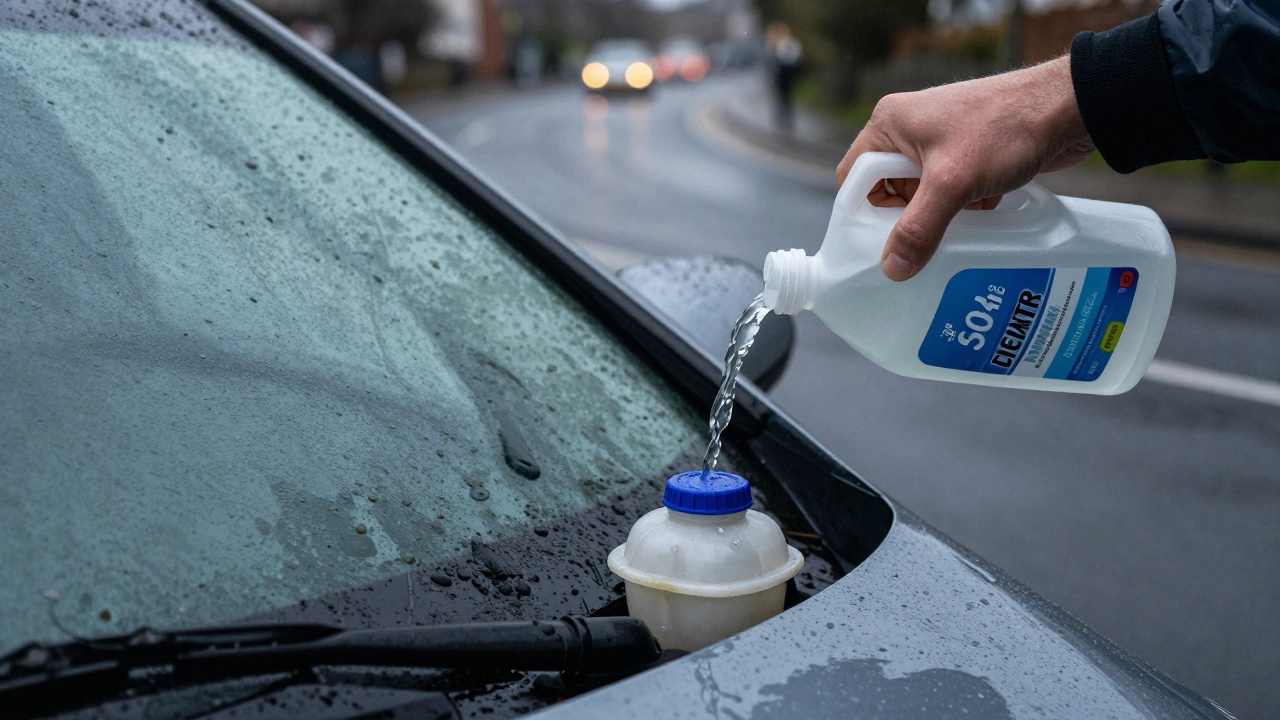
When you run out of windshield wiper fluid, safe alternatives like vinegar-water mixes or diluted isopropyl alcohol can work in a pinch. Avoid ammonia, antifreeze, or tap water. Learn what actually cleans without damaging your system.
 1 December 2025
Driving with a bad fuel pump is dangerous and can lead to engine damage or being stranded. Learn the warning signs, risks, and what to do immediately to avoid costly repairs.
 1 December 2025
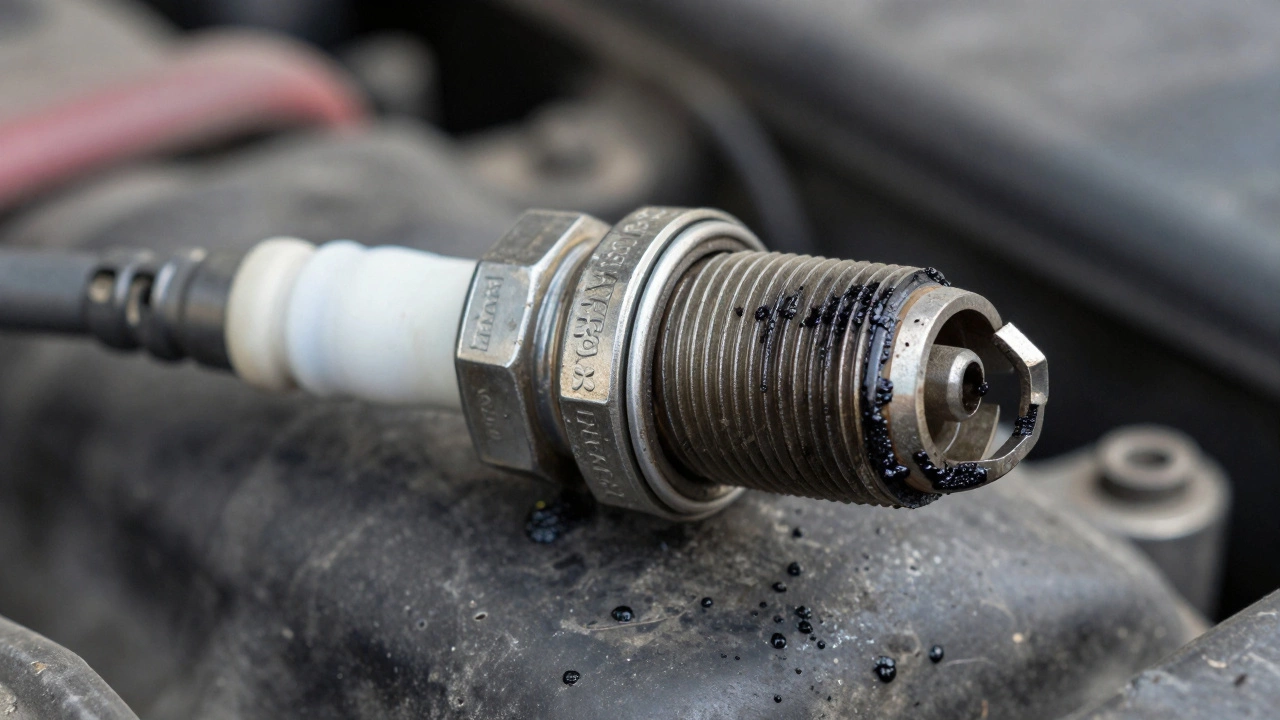
Learn the top signs your spark plugs are failing-from engine misfires to poor fuel economy-and why ignoring them can lead to costly repairs. Replace them before it's too late.




©2026 northwichtyrescentre.co.uk. All rights reserved
0